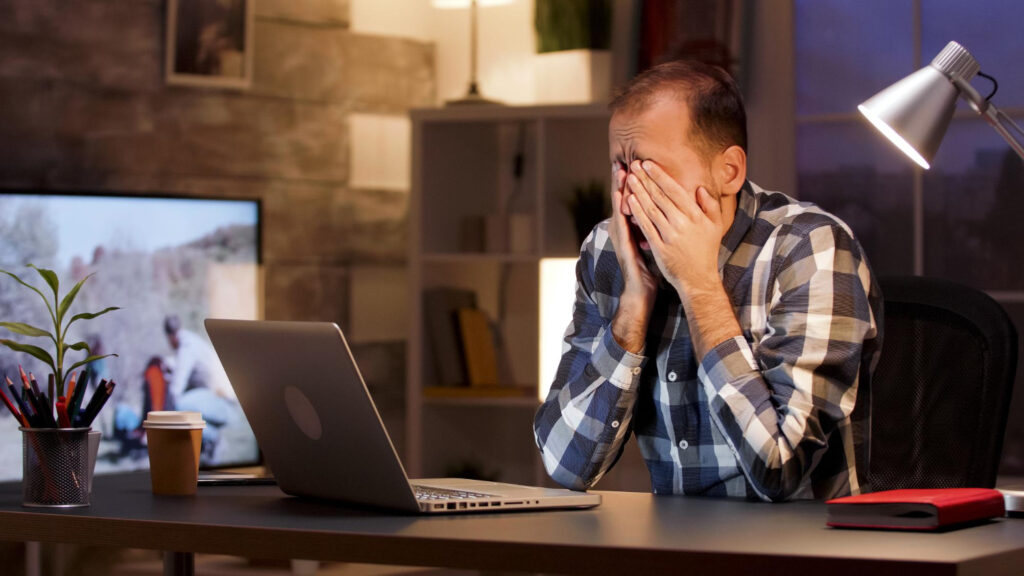
Microplastics have been found in human brain tissue. Here is what the science actually says about how they may impact your focus, memory, and mental clarity, and what it means for every product you use to hydrate.
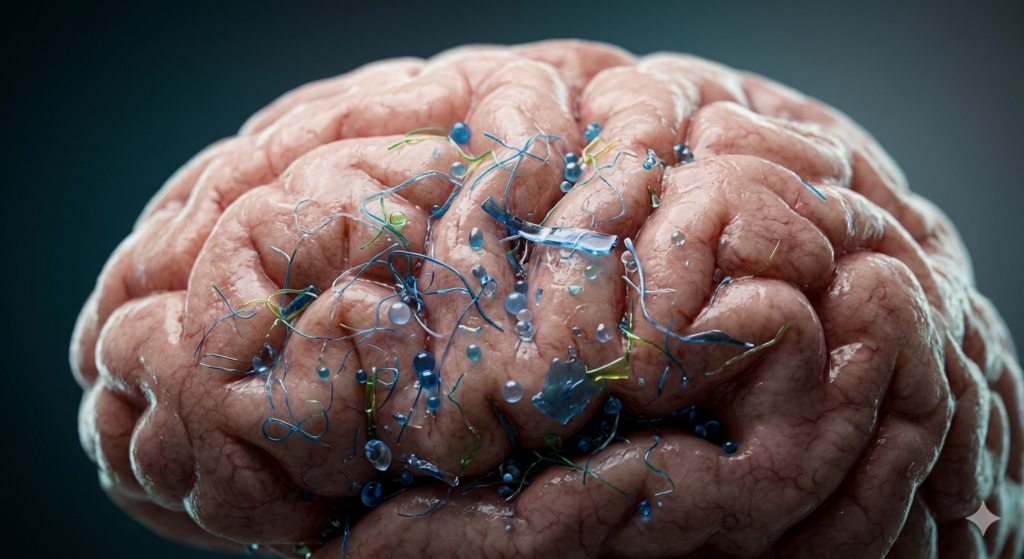
Microplastics are tiny plastic particles smaller than 5 millimetres, roughly the size of a sesame seed or smaller. They form when larger plastic products, bottles, bags, and packaging, break down over time due to sunlight, heat, and friction.They are now found almost everywhere: in oceans, soil, drinking water, food, and perhaps most alarmingly, inside the human body.
Key Fact
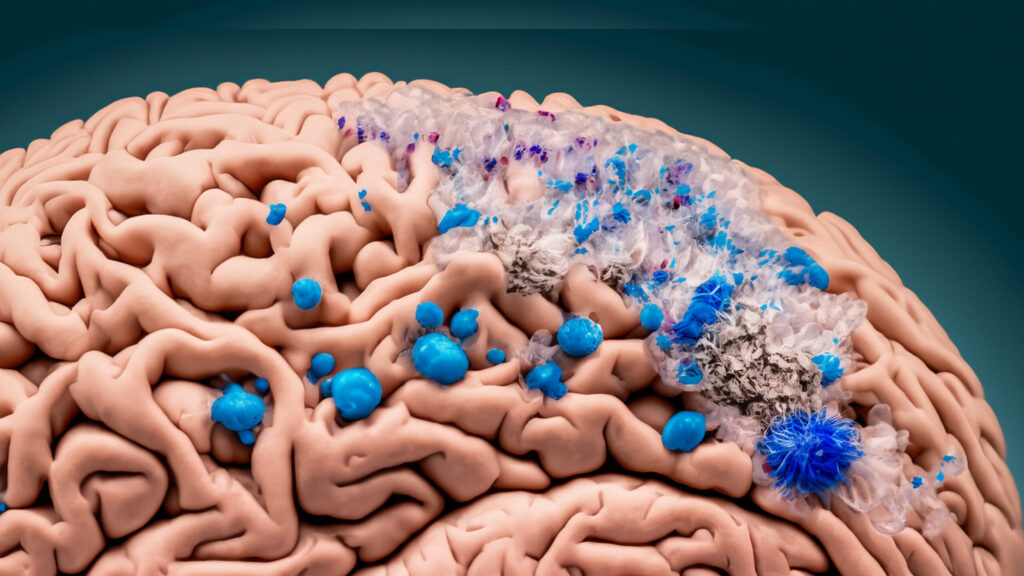
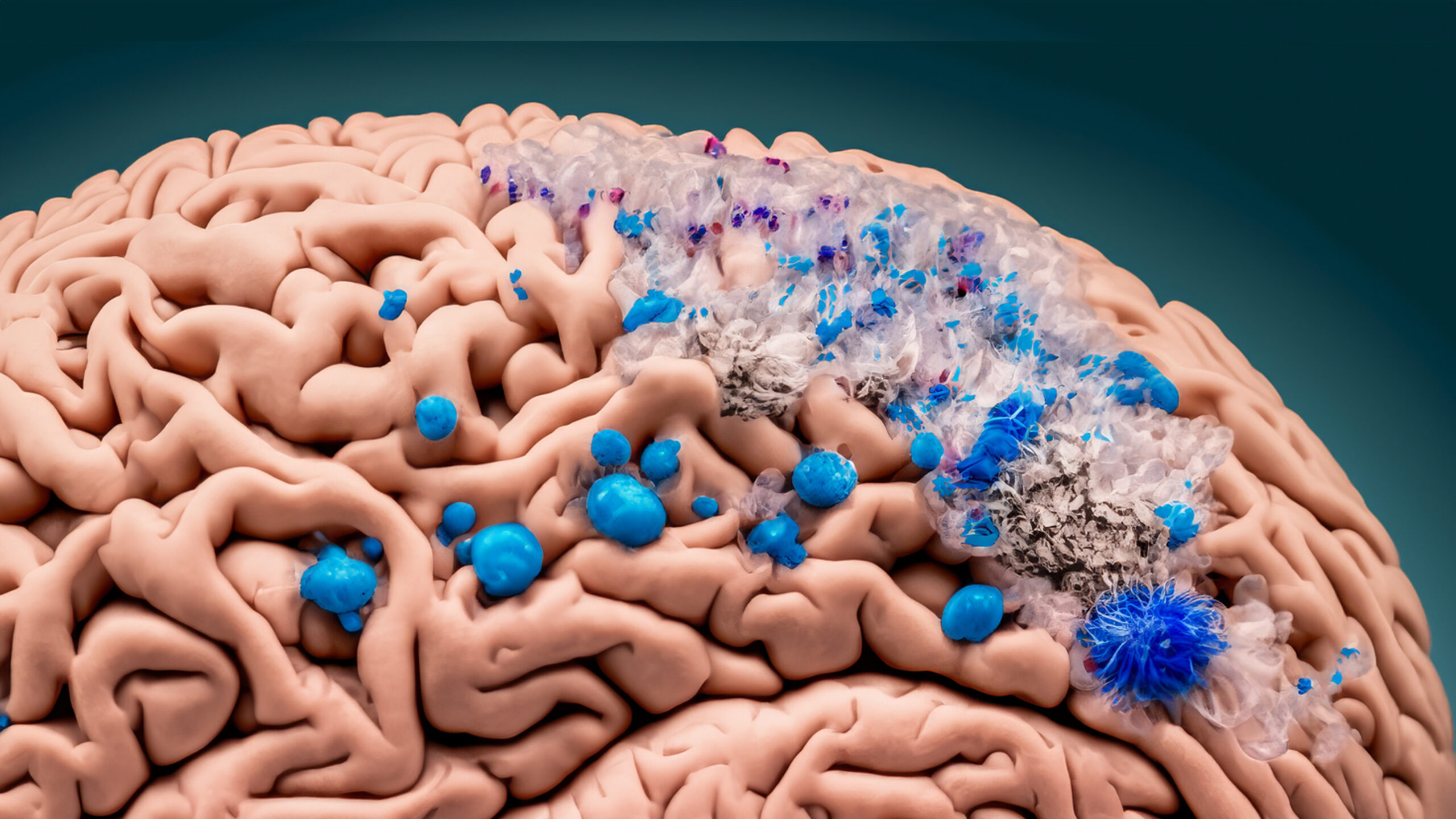
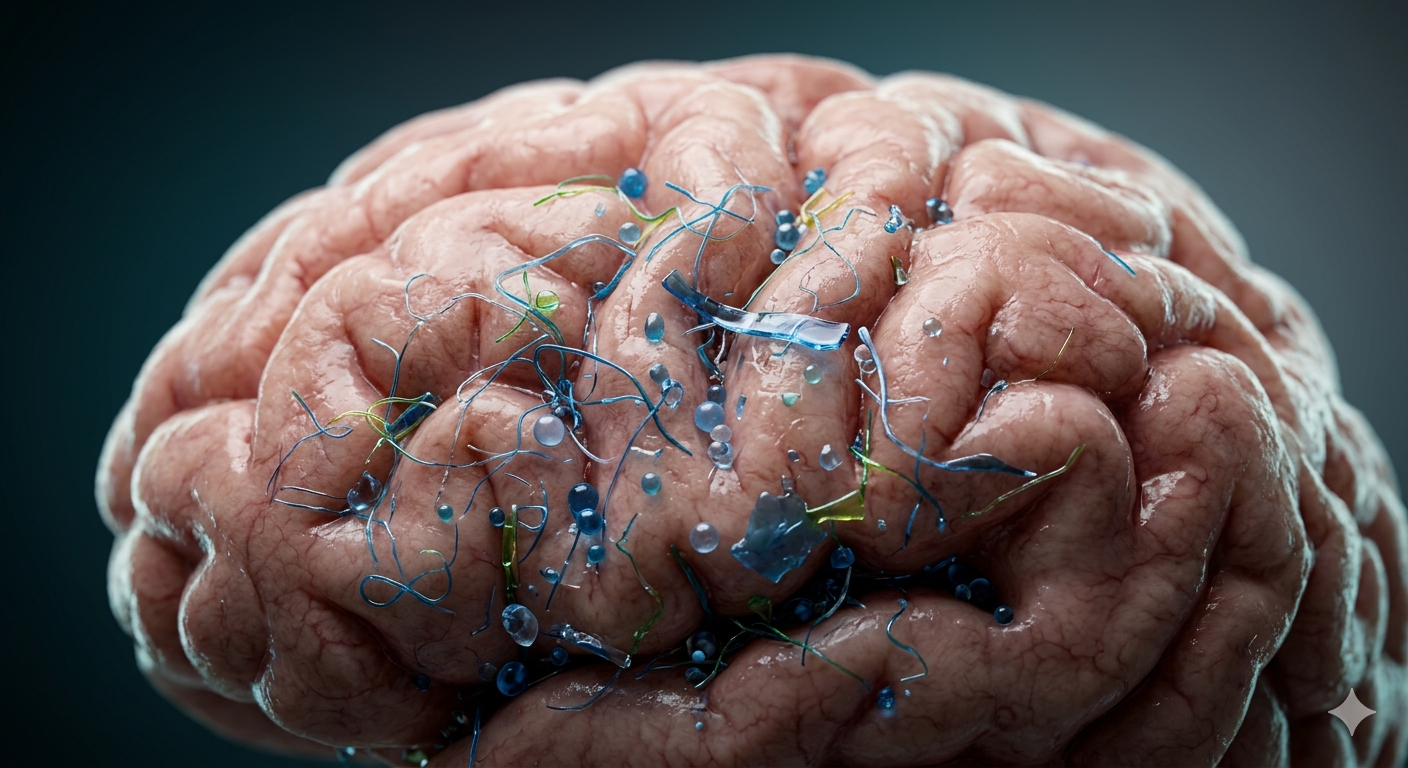
A 2024 study published in Nature Medicine found microplastics in human brain tissue samples. The concentration in brain tissue was higher than in other organs like the kidney or liver.
Your body takes in microplastics through three main routes every day:
Drinking water. Both tap and bottled water contain measurable levels of microplastic particles. One study found an average of 325 particles per litre in bottled water.
Food. Seafood, sea salt, packaged foods, and drinks stored in plastic containers all contribute to daily intake.
Breathing. Airborne plastic fibres from clothing, furniture, and packaging float in indoor and outdoor air and are inhaled throughout the day.
This hidden deficit holds back entrepreneurs, executives, and high performers every single day. The good news: it’s one of the simplest performance problems to solve and Ki was built specifically to fix it.
Expert context:
Once microplastics enter the bloodstream, the smallest particles, nanoplastics under 1 micron, are small enough to cross the blood-brain barrier, the protective filter that normally keeps harmful substances away from brain cells.
Research is still ongoing, but early laboratory and animal studies point to three main mechanisms by which microplastics may interfere with how the brain works:
Neuroinflammation
Microplastics trigger inflammatory responses in brain tissue. Chronic low-level inflammation in the brain is linked to slower cognitive processing, brain fog, and long-term neurodegenerative risk. This is confirmed in research, not an emerging hypothesis.
Oxidative stress
The particles may disrupt the balance of free radicals and antioxidants in brain cells. This kind of cellular stress is known to damage neurons over time and impair memory and learning.
Disruption of neural signaling
Some plastic chemicals, including those that leach off microplastic particles, are known endocrine disruptors. These can interfere with the hormones and neurotransmitters involved in focus, mood, and memory.
Confirmed:
Nanoplastics have been detected in human brain tissue. Microplastic concentration in the brain increased 50% between 2016 and 2024. Dementia-affected brains contain three to five times more microplastic accumulation than healthy brains.
Microplastic accumulation does not cause sudden, obvious symptoms. Effects build gradually and are often mistaken for stress, pMioor sleep, or aging. Watch for,
Brain fog
Difficulty thinking clearly or finding the right words.
Reduced focus
Struggling to concentrate on demanding tasks.
Mental fatigue
Tiring faster than usual during cognitive work.
Slow processing
Feeling generally sluggish or mentally slow.
These effects are subtle. But for anyone doing high-stakes work, making decisions, leading teams, producing creative output, even a small drop in mental performance compounds over time. For knowledge workers and executives, this is not a wellness concern. It is a performance concern.
Good hydration directly supports brain function. Even mild dehydration, just 1 to 2% fluid loss, has been shown to impair short-term memory, attention, and processing speed.
Electrolytes make hydration more effective by helping water absorb properly and supporting nerve cell signalling. But here is a problem most people miss entirely.
The electrolyte category has three separate microplastic contamination points. Most brands have never addressed any of them.
94% of commercial salts test positive for microplastics, averaging 140 particles per kilogram. This includes sea salt, rock salt, and table salt. The raw materials arrive contaminated before a single sachet is filled.What most people do not know: Himalayan pink salt, the ingredient many premium electrolyte brands market as their purity credential, is actually the most microplastic-contaminated salt type of all. At 174 particles per kilogram, it carries more microplastic contamination than any other commercial salt. The hand-mined, ancient pink crystal marketed as the clean alternative is, by the research, the most contaminated option on the shelf.
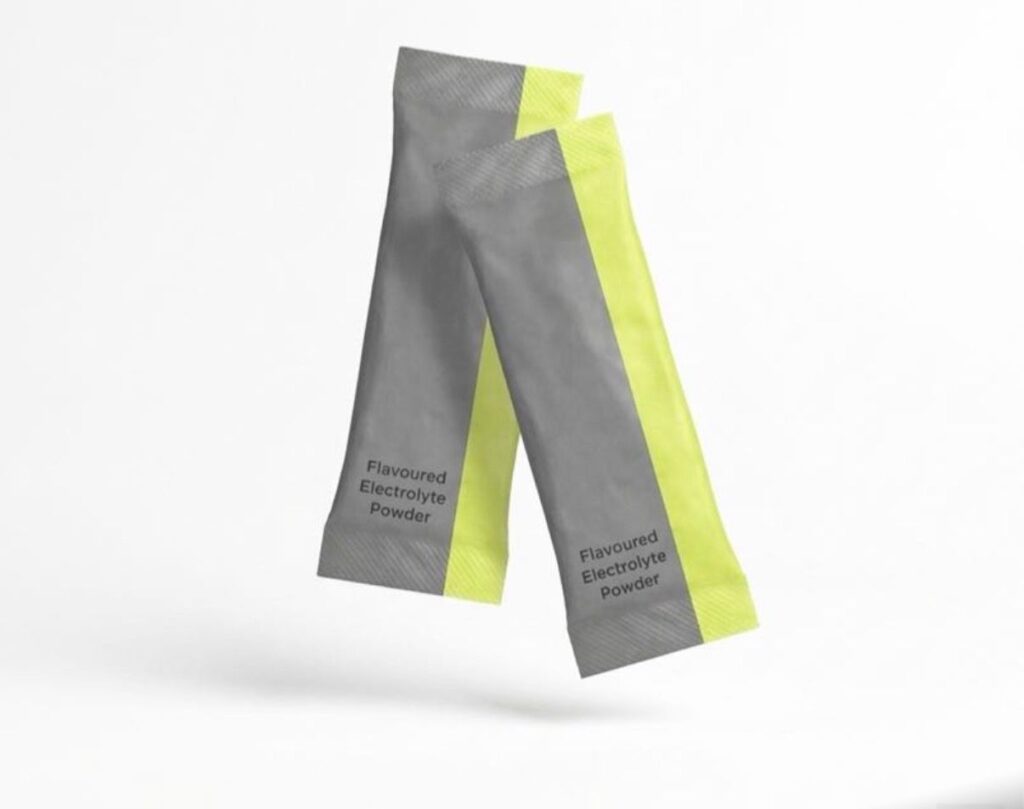
Most commercial electrolyte sachets are made from multilayer plastic film. PET, polyethylene, and foil laminates. During room-temperature storage and shipping, the plastic lining sheds microplastic particles directly into the powder. The product is accumulating contamination before it even reaches youResearch found that room-temperature storage in plastic pouches can release millions to billions of microplastic and nanoplastic particles into the contents over time. Polyethylene-based pouches, the most common sachet material, released more particles than any other type tested.
This is the contamination point no one talks about. When you tear open a plastic sachet, the mechanical stress of tearing generates a new release of microplastic fragments, directly into the powder at the exact moment of use.A peer-reviewed study confirmed that tearing plastic packaging by hand generates between 0.46 and 250 new microplastic particles per centimeter of plastic torn. Those particles go into the powder. You mix it into water. You drink them too.
Three contamination points. Three peer-reviewed studies. All of them happen before a single sip. A product designed to support your performance may be simultaneously introducing the very contaminants that work against it.
This is why ingredient sourcing, manufacturing process, and packaging material matter as much as the formula itself.
You cannot eliminate all microplastic exposure. But you can meaningfully reduce your daily intake with a few consistent choices, starting with what you drink every morning.
Filter your water
Use a filter rated for particles under 1 micron. Standard carbon filters do not remove microplastics. Reverse osmosis or sub-micron systems are the most effective.
Switch to glass or stainless steel bottles
Plastic bottles shed microplastics into water, especially in heat. Glass and stainless steel eliminate this entirely.
Avoid heated plastic food containers
Heat accelerates plastic breakdown. Avoid microwaving food in plastic or wrapping warm food in clingfilm.
Choose hydration products without plastic sachets
Single-use electrolyte sachets shed microplastics during storage and when opened. Look for products in reusable, plastic-free packaging with clean, tested mineral sources and a documented microplastic removal process.
Build a consistent morning hydration habit
Hydrating immediately after waking, before coffee, restores the 0.5 to 1 liter of fluid lost overnight and primes the brain for the day. Sleep is the first charge. Hydration is the second. Consistency matters more than intensity.
Ki (気) is a Japanese-crafted morning electrolyte ritual built around a single discovery: the body loses approximately one litre of fluid every night, and replacing it with electrolytes within the first hour of waking transforms how you think, feel, and perform for the rest of the day.The name Ki, the Japanese concept of life force and vital energy, names precisely what the protocol restores. Not borrowed energy like coffee. Not a stimulant that masks a deficit. The actual electrochemical substrate the brain runs on, replaced before the first demand of the day is placed on it.
The two-charge framework
Sleep is the first charge. It handles cellular repair, neural consolidation, and hormonal reset. But while the body rests, it simultaneously loses 0.5 to 1 litre of fluid and the electrolytes it needs to conduct its own electricity. Sleep cannot fix this because fluid and electrolyte restoration require a separate act.
Water and electrolytes are the second charge. The ion concentrations required to fire neurons, sustain attention, and run the sodium-potassium pump have been depleted overnight. Ki restores them, two steps, 16oz upon waking, 16oz 45 minutes later, before the first demand of the day.
Sleep is the first charge. Ki is the second. Most people have only ever done one of them.
Two ingredients. That is the entire formula.
No sugar. No sweeteners. No flavorings. No fillers. Just two minerals, sustainably refined, in natural balance. The formula mirrors the body’s own mineral ratios rather than adding synthetic compounds on top of them.
Microplastic-removed. Filtered using a proprietary 0.5-micron process developed in Ki’s Japanese manufacturing facility. 0.5 micron is smaller than most commercial filtration systems go, and smaller than the nano plastic particles confirmed to cross the blood-brain barrier. The ingredients are cleaned before anything is packaged.
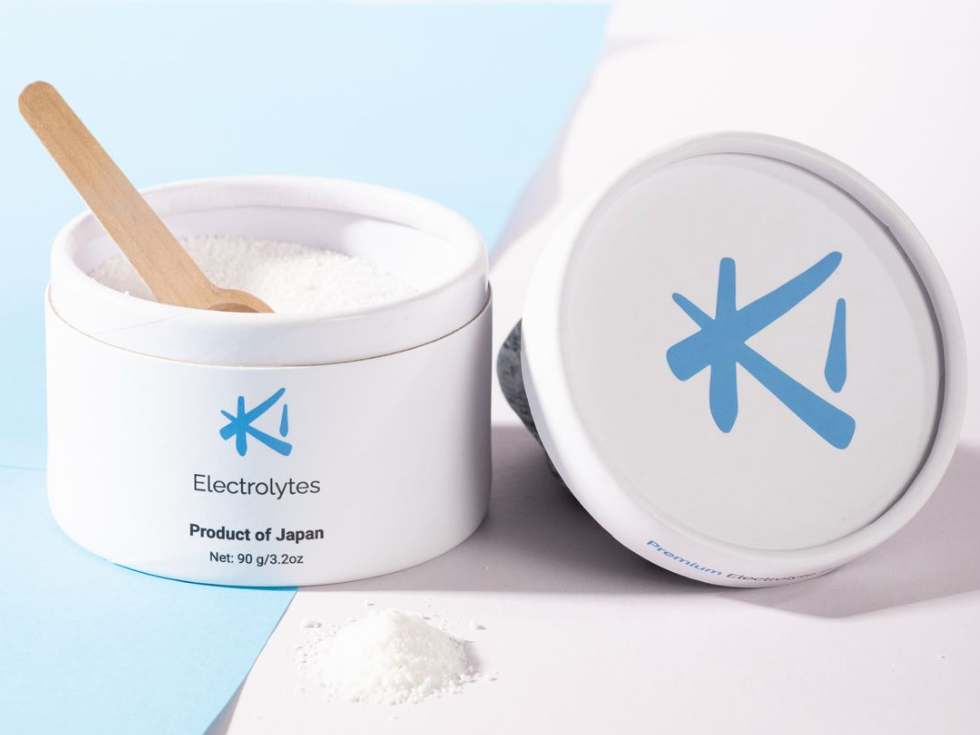
No single-use plastic packaging. Ki comes in a paper cylinder with a wooden spoon. No sachets. No plastic lining leaching into the formula during storage. No plastic packaging torn open at the point of use. 60 servings per cylinder, zero single-use plastic waste. Every sip with Ki wakes up the brain while protecting the planet.
Crafted in Japan. Every Ki cylinder is produced in a certified Japanese manufacturing facility. Japan’s manufacturing precision and the cultural philosophy of kaizen, continuous refinement toward the ideal, is embedded in every batch. The scientific heritage and the product share the same address.
Built around ritual. Inspired by Japanese practices of mindful morning hydration. Timing and intention before stimulation. The Ki Hydration Rituals™ protocol is two steps, completed at home before coffee, before anything. Ki is not designed to be carried around like a sachet torn open at the gym. It is a home ritual, done intentionally, done daily.
Rare mineral sources. Ocean minerals from Japan. Ancient rock minerals from Europe. Two continents. One clean formula. Both sources chosen specifically because they are not among the 94% of commercial salts that test positive for microplastics.
Hydrate with Ki shortly after waking, before coffee or stimulation, to restore the fluid and electrolytes lost during sleep and set the tone for the day. 16oz upon waking. 16oz 45 minutes later. Simple by design. Sustainable by habit.
Research is still ongoing. Microplastics have been confirmed in human brain tissue, and animal and cell studies show mechanisms for harm. Long-term human studies are underway but not yet complete. Current evidence is concerning enough that reducing exposure is considered reasonable precaution by many researchers.
Estimates vary, but research suggests the average person ingests between 74,000 and 121,000 microplastic particles per year through food, water, and air. People who drink primarily bottled water may ingest significantly more
Larger particles can be expelled through normal digestive processes. However, nano plastics that cross into the bloodstream or brain are not readily cleared by the body. This is why minimizing ongoing intake is the most practical strategy.
It depends on the filter. Standard carbon filters reduce some contaminants but are not rated for microplastics. Reverse osmosis systems and filters with sub-micron ratings under 1 micron are more effective at removing microplastic particles.
Three things no other brand addresses simultaneously. First, Ki uses a proprietary 0.5-micron microplastic removal process developed in Japan to clean the ingredients themselves, addressing contamination at the source. Second, Ki uses a paper cylinder with a wooden spoon, eliminating the single-use plastic sachet that leaches microplastics during storage and generates fresh contamination when torn open. Third, Ki’s two-ingredient formula contains no additives, sweeteners, fillers, or synthetic isolates. Just two pure natural minerals in the ratio the body actually needs.
Ki Electrolytes. 2 ingredients. 1.5g per serving. No sachets. No microplastics. Built for the morning moment that sets up everything else.
Microplastics have been found in human brain tissue. Here is what the science actually says about how they may impact your focus, memory, and mental clarity, and what it means for every product you use to hydrate.
Microplastics are tiny plastic particles smaller than 5 millimetres, roughly the size of a sesame seed or smaller. They form when larger plastic products, bottles, bags, and packaging, break down over time due to sunlight, heat, and friction.They are now found almost everywhere: in oceans, soil, drinking water, food, and perhaps most alarmingly, inside the human body.
Key Fact
A 2024 study published in Nature Medicine found microplastics in human brain tissue samples. The concentration in brain tissue was higher than in other organs like the kidney or liver.
Your body takes in microplastics through three main routes every day:
Drinking water. Both tap and bottled water contain measurable levels of microplastic particles. One study found an average of 325 particles per litre in bottled water.
Food. Seafood, sea salt, packaged foods, and drinks stored in plastic containers all contribute to daily intake.
Breathing. Airborne plastic fibres from clothing, furniture, and packaging float in indoor and outdoor air and are inhaled throughout the day.
Expert context:
Once microplastics enter the bloodstream, the smallest particles, nanoplastics under 1 micron, are small enough to cross the blood-brain barrier, the protective filter that normally keeps harmful substances away from brain cells.

Research is still ongoing, but early laboratory and animal studies point to three main mechanisms by which microplastics may interfere with how the brain works:
Neuroinflammation
Microplastics trigger inflammatory responses in brain tissue. Chronic low-level inflammation in the brain is linked to slower cognitive processing, brain fog, and long-term neurodegenerative risk. This is confirmed in research, not an emerging hypothesis.
Oxidative stress
The particles may disrupt the balance of free radicals and antioxidants in brain cells. This kind of cellular stress is known to damage neurons over time and impair memory and learning.
Disruption of neural signaling
Some plastic chemicals, including those that leach off microplastic particles, are known endocrine disruptors. These can interfere with the hormones and neurotransmitters involved in focus, mood, and memory.
Confirmed:
Nanoplastics have been detected in human brain tissue. Microplastic concentration in the brain increased 50% between 2016 and 2024. Dementia-affected brains contain three to five times more microplastic accumulation than healthy brains.

Microplastic accumulation does not cause sudden, obvious symptoms. Effects build gradually and are often mistaken for stress, pMioor sleep, or aging. Watch for,
Brain fog
Difficulty thinking clearly or finding the right words.
Reduced focus
Struggling to concentrate on demanding tasks.
Mental fatigue
Tiring faster than usual during cognitive work.
Slow processing
Feeling generally sluggish or mentally slow.
These effects are subtle. But for anyone doing high-stakes work, making decisions, leading teams, producing creative output, even a small drop in mental performance compounds over time. For knowledge workers and executives, this is not a wellness concern. It is a performance concern.

Good hydration directly supports brain function. Even mild dehydration, just 1 to 2% fluid loss, has been shown to impair short-term memory, attention, and processing speed.
Electrolytes make hydration more effective by helping water absorb properly and supporting nerve cell signalling. But here is a problem most people miss entirely.
The electrolyte category has three separate microplastic contamination points. Most brands have never addressed any of them.
94% of commercial salts test positive for microplastics, averaging 140 particles per kilogram. This includes sea salt, rock salt, and table salt. The raw materials arrive contaminated before a single sachet is filled.What most people do not know: Himalayan pink salt, the ingredient many premium electrolyte brands market as their purity credential, is actually the most microplastic-contaminated salt type of all. At 174 particles per kilogram, it carries more microplastic contamination than any other commercial salt. The hand-mined, ancient pink crystal marketed as the clean alternative is, by the research, the most contaminated option on the shelf.
Most commercial electrolyte sachets are made from multilayer plastic film. PET, polyethylene, and foil laminates. During room-temperature storage and shipping, the plastic lining sheds microplastic particles directly into the powder. The product is accumulating contamination before it even reaches youResearch found that room-temperature storage in plastic pouches can release millions to billions of microplastic and nanoplastic particles into the contents over time. Polyethylene-based pouches, the most common sachet material, released more particles than any other type tested.
This is the contamination point no one talks about. When you tear open a plastic sachet, the mechanical stress of tearing generates a new release of microplastic fragments, directly into the powder at the exact moment of use.A peer-reviewed study confirmed that tearing plastic packaging by hand generates between 0.46 and 250 new microplastic particles per centimeter of plastic torn. Those particles go into the powder. You mix it into water. You drink them too.
Three contamination points. Three peer-reviewed studies. All of them happen before a single sip. A product designed to support your performance may be simultaneously introducing the very contaminants that work against it.
This is why ingredient sourcing, manufacturing process, and packaging material matter as much as the formula itself.
You cannot eliminate all microplastic exposure. But you can meaningfully reduce your daily intake with a few consistent choices, starting with what you drink every morning.
Filter your water
Use a filter rated for particles under 1 micron. Standard carbon filters do not remove microplastics. Reverse osmosis or sub-micron systems are the most effective.
Switch to glass or stainless steel bottles
Plastic bottles shed microplastics into water, especially in heat. Glass and stainless steel eliminate this entirely.
Avoid heated plastic food containers
Heat accelerates plastic breakdown. Avoid microwaving food in plastic or wrapping warm food in clingfilm.
Choose hydration products without plastic sachets
Single-use electrolyte sachets shed microplastics during storage and when opened. Look for products in reusable, plastic-free packaging with clean, tested mineral sources and a documented microplastic removal process.
Build a consistent morning hydration habit
Hydrating immediately after waking, before coffee, restores the 0.5 to 1 liter of fluid lost overnight and primes the brain for the day. Sleep is the first charge. Hydration is the second. Consistency matters more than intensity.
Ki (気) is a Japanese-crafted morning electrolyte ritual built around a single discovery: the body loses approximately one litre of fluid every night, and replacing it with electrolytes within the first hour of waking transforms how you think, feel, and perform for the rest of the day.The name Ki, the Japanese concept of life force and vital energy, names precisely what the protocol restores. Not borrowed energy like coffee. Not a stimulant that masks a deficit. The actual electrochemical substrate the brain runs on, replaced before the first demand of the day is placed on it.
The two-charge framework
Sleep is the first charge. It handles cellular repair, neural consolidation, and hormonal reset. But while the body rests, it simultaneously loses 0.5 to 1 litre of fluid and the electrolytes it needs to conduct its own electricity. Sleep cannot fix this because fluid and electrolyte restoration require a separate act.
Water and electrolytes are the second charge. The ion concentrations required to fire neurons, sustain attention, and run the sodium-potassium pump have been depleted overnight. Ki restores them, two steps, 16oz upon waking, 16oz 45 minutes later, before the first demand of the day.
Sleep is the first charge. Ki is the second. Most people have only ever done one of them.
Two ingredients. That is the entire formula.
No sugar. No sweeteners. No flavorings. No fillers. Just two minerals, sustainably refined, in natural balance. The formula mirrors the body’s own mineral ratios rather than adding synthetic compounds on top of them.
Microplastic-removed. Filtered using a proprietary 0.5-micron process developed in Ki’s Japanese manufacturing facility. 0.5 micron is smaller than most commercial filtration systems go, and smaller than the nano plastic particles confirmed to cross the blood-brain barrier. The ingredients are cleaned before anything is packaged.
No single-use plastic packaging. Ki comes in a paper cylinder with a wooden spoon. No sachets. No plastic lining leaching into the formula during storage. No plastic packaging torn open at the point of use. 60 servings per cylinder, zero single-use plastic waste. Every sip with Ki wakes up the brain while protecting the planet.
Crafted in Japan. Every Ki cylinder is produced in a certified Japanese manufacturing facility. Japan’s manufacturing precision and the cultural philosophy of kaizen, continuous refinement toward the ideal, is embedded in every batch. The scientific heritage and the product share the same address.
Built around ritual. Inspired by Japanese practices of mindful morning hydration. Timing and intention before stimulation. The Ki Hydration Rituals™ protocol is two steps, completed at home before coffee, before anything. Ki is not designed to be carried around like a sachet torn open at the gym. It is a home ritual, done intentionally, done daily.
Rare mineral sources. Ocean minerals from Japan. Ancient rock minerals from Europe. Two continents. One clean formula. Both sources chosen specifically because they are not among the 94% of commercial salts that test positive for microplastics.
Hydrate with Ki shortly after waking, before coffee or stimulation, to restore the fluid and electrolytes lost during sleep and set the tone for the day. 16oz upon waking. 16oz 45 minutes later. Simple by design. Sustainable by habit.
Research is still ongoing. Microplastics have been confirmed in human brain tissue, and animal and cell studies show mechanisms for harm. Long-term human studies are underway but not yet complete. Current evidence is concerning enough that reducing exposure is considered reasonable precaution by many researchers.
Estimates vary, but research suggests the average person ingests between 74,000 and 121,000 microplastic particles per year through food, water, and air. People who drink primarily bottled water may ingest significantly more
Larger particles can be expelled through normal digestive processes. However, nano plastics that cross into the bloodstream or brain are not readily cleared by the body. This is why minimizing ongoing intake is the most practical strategy.
It depends on the filter. Standard carbon filters reduce some contaminants but are not rated for microplastics. Reverse osmosis systems and filters with sub-micron ratings under 1 micron are more effective at removing microplastic particles.
Three things no other brand addresses simultaneously. First, Ki uses a proprietary 0.5-micron microplastic removal process developed in Japan to clean the ingredients themselves, addressing contamination at the source. Second, Ki uses a paper cylinder with a wooden spoon, eliminating the single-use plastic sachet that leaches microplastics during storage and generates fresh contamination when torn open. Third, Ki’s two-ingredient formula contains no additives, sweeteners, fillers, or synthetic isolates. Just two pure natural minerals in the ratio the body actually needs.