
Microplastics have been found in human brains, blood, and organs. Here’s what the science says you can actually do about it.
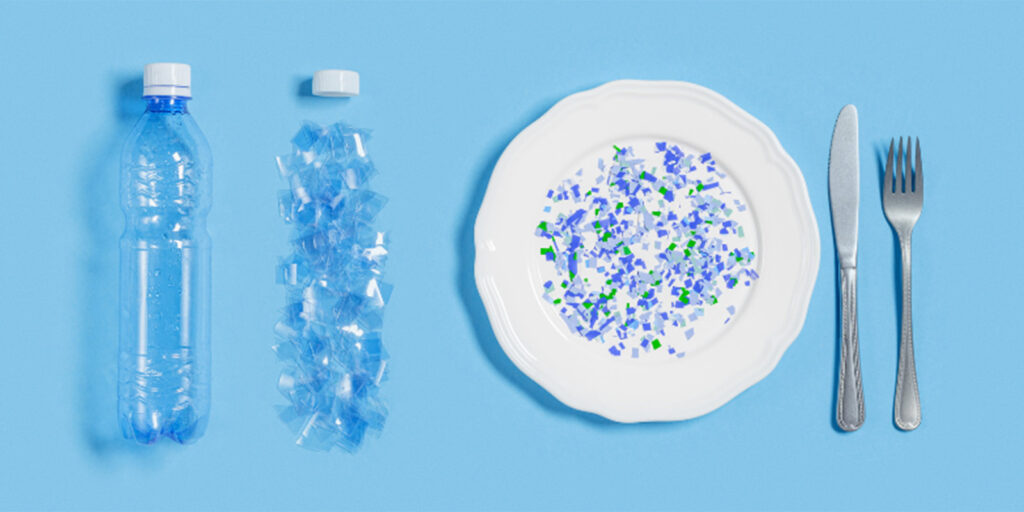
Microplastics have been found in human brains, blood, and organs. Here’s what the science says you can actually do about it.
Here’s something nobody warned us about: microplastics are now inside us. Scientists have found them in human blood, lungs, kidneys, liver and most recently, in our brains. A 2025 study published in Nature Medicine found that microplastic levels in the human brain rose by 50% in just eight years.
The good news? You’re not powerless. While there’s no overnight “detox” that flushes plastic out of your body, there are real, practical steps you can take starting today to reduce how much gets in, and help your body eliminate what it can.
This guide covers exactly that. No hype, no pseudoscience. Just practical steps, explained plainly.
Important : There is no proven way to completely remove all microplastics from the body. The strategies below are about reducing your ongoing exposure and supporting your body's natural elimination processes. Always consult a doctor before changing your health routine.
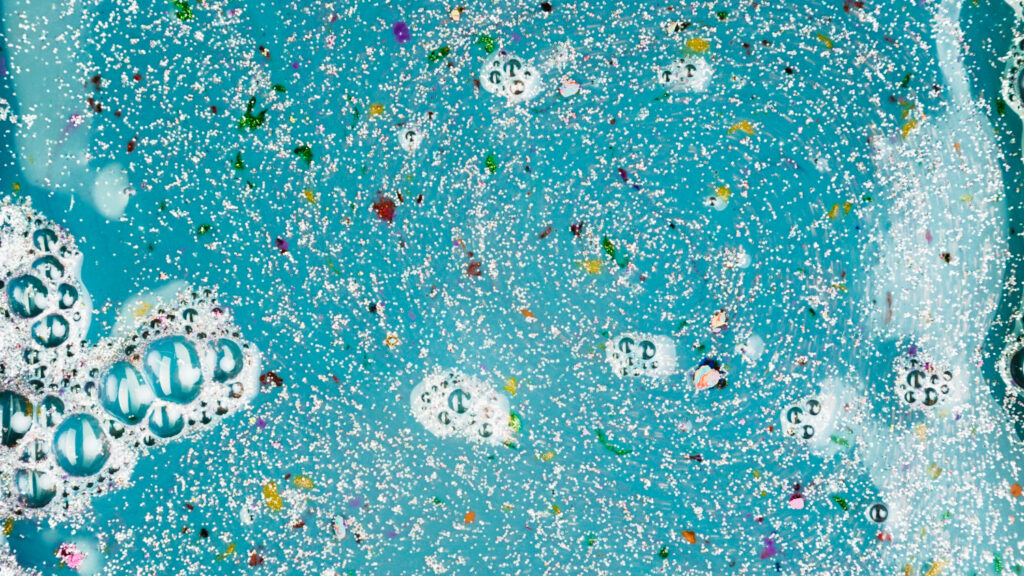
Microplastics are tiny pieces of plastic smaller than 5mm. Some are manufactured that small (like microbeads in old cosmetics). Most come from larger plastic items, bottles, bags, packaging that break down over time into smaller and smaller fragments.
The smallest of these called nanoplastics are invisible to the naked eye. They’re small enough to pass through your gut wall, enter your bloodstream, and cross the blood-brain barrier.
The Nature Medicine study (2025) by researchers at the University of New Mexico found microplastics in every single brain sample they tested. The concentration was higher in the brain than in the liver or kidney and people who had died with dementia had significantly more than those without.
Does that mean microplastics are definitely causing dementia? Not yet proven. But the trend is alarming enough that researchers say it’s time to take this seriously now, before we wait for a 30-year study to confirm it.
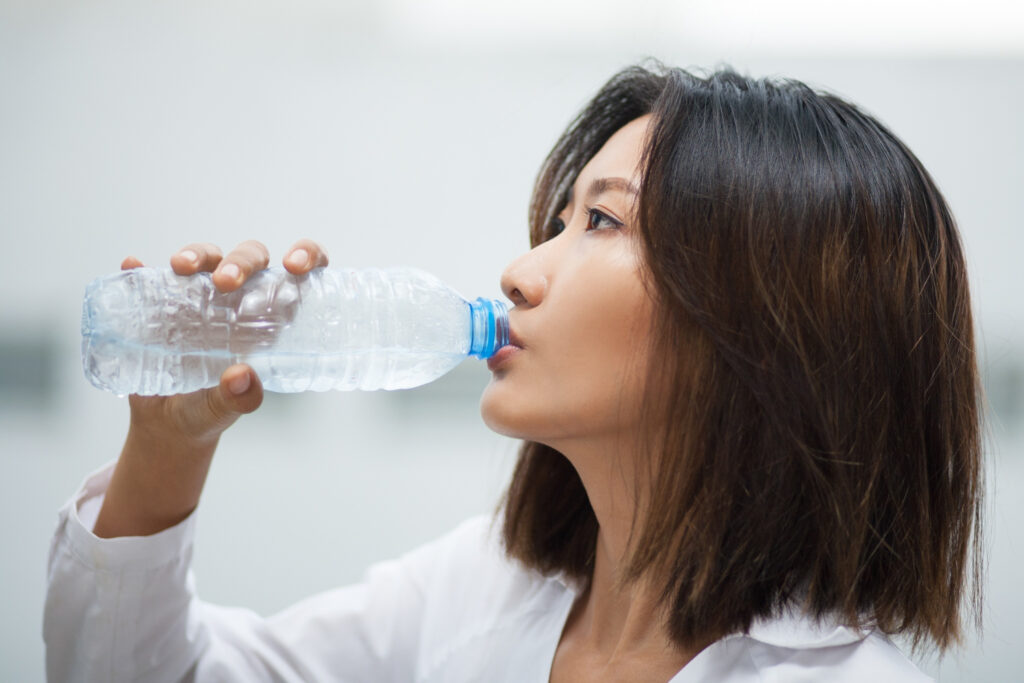
Eating and drinking The biggest source. Bottled water, seafood, processed food, salt, and even tap water carry microplastics. BlueCross BlueShield of Vermont notes that plastic water bottles are among the highest sources.
Breathing synthetic carpets, clothing, and even the air inside your home releases microplastic fibres. Coastal areas are particularly exposed when wave action kicks ocean microplastics into the air.
Skin contact Cosmetics and personal care products with microbeads, or prolonged contact with plastic packaging, can introduce particles through the skin.
You can’t avoid microplastics entirely. As UCSF microplastics researcher Dr. Tracey Woodruff puts it: “We’re never going to be able to eliminate plastic exposures.” But you can meaningfully reduce them.
These are practical, evidence-informed steps of the kind you can start this week.
1.Filter Your Drinking Water
Tap water and bottled water both contain microplastics. A reverse osmosis filter removes up to 99% of microplastics. A good carbon block filter also makes a significant difference. The key: filtered water from a glass or stainless steel vessel not a plastic bottle. Ohio State University Health recommends filtered water as one of the top actionable steps.
2.Stop Microwaving Food in Plastic
Heat accelerates the breakdown of plastic, releasing particles directly into your food. UCSF’s Dr. Woodruff says this is her top personal change: “I always microwave in ceramic or glass.” Restaurant takeaway containers are a particularly high-risk source to avoid reheating food in them.
3.Eat More Fibre
High-fibre diets help trap microplastics in the gut and move them out through your stool your body’s primary route for eliminating them. Fibre also promotes bile secretion, which can bind to toxins. Foods like oats, lentils, broccoli, apples, and flaxseeds all help. Richmond Functional Medicine highlights this as one of the most practical dietary interventions.
4.Switch to Glass, Stainless Steel, or Bamboo
Replace plastic food containers, water bottles, and kitchen utensils with glass, stainless steel, or bamboo alternatives. This is especially important for hot food and liquids. The hotter the content, the faster the plastic degrades. Also watch out for non-stick pans: as they wear out, the coating chips into food. Cast iron or stainless steel are better alternatives.
5.Improve Your Indoor Air Quality
Indoor air can actually carry more microplastics than outdoor air from synthetic rugs, curtains, and clothing. A HEPA filter in your vacuum and an air purifier with a HEPA filter will capture a significant portion of airborne microplastic fibres. Vacuuming more frequently than dusting also prevents particles from becoming airborne.
6.Exercise Regularly
Exercise helps your body eliminate waste through two routes: sweating (which can expel some plastic-associated toxins through the skin) and regular bowel movements, which is the primary way your digestive system removes microplastics. Even a 30-minute walk five times a week makes a difference. Ohio State Health lists exercise as a key supporting strategy.
7.Eat Less Ultra-Processed Food
A May 2025 collection of papers in Brain Medicine found that ultra-processed foods carry dramatically more microplastics than whole foods. Chicken nuggets, for example, were found to contain 30 times more microplastics per gram than plain chicken breast. Industrial food processing introduces plastic at multiple points. Cooking from whole ingredients isn’t just good nutrition, it’s meaningful plastic reduction.
8.Add Antioxidants to Your Diet
While antioxidants don’t remove microplastics, they help counter the oxidative stress and inflammation that microplastics are associated with. Ohio State highlights Vitamins C and E specifically. Berries, leafy greens, citrus, nuts, and seeds are all excellent sources.
9.Support Your Gut With Probiotics
A healthy gut lining and diverse microbiome help your digestive system process and move out waste including microplastics. Fermented foods like yogurt, kefir, kimchi, and sauerkraut, or a quality probiotic supplement, support gut health and the body’s natural elimination pathways. Ohio State recommends probiotics specifically in this context.
10.Audit Your Salt and Electrolytes
This one surprises most people. A 2019 study in Scientific Reports tested 39 commercial salt brands and found microplastics in 94% of them. Himalayan pink salt, often marketed as the purest option tested highest at 174 microplastic particles per kilogram. Additionally, most electrolyte sachets introduce microplastics through the sachet lining and tear fragments. If you use electrolytes regularly, check what your source is made of and what it’s packaged in
One of the most exciting and still very early developments in 2025: scientists are exploring whether a process called therapeutic apheresis (a type of blood filtration) could physically remove microplastics from the bloodstream.
A paper published in Brain Medicine (May 2025) found that the technique is at least theoretically feasible, and researchers at News Medical called it “a promising method.” But this is still preliminary research, it’s not available as a consumer treatment, and the clinical effects still need to be confirmed in larger studies.
The most practical tools available right now are the lifestyle changes above especially filtered water, reduced plastic contact, high-fibre food, and auditing your supplements and salts. That's where the real leverage is today.
The Problem Inside Your Electrolytes and a Cleaner Choice
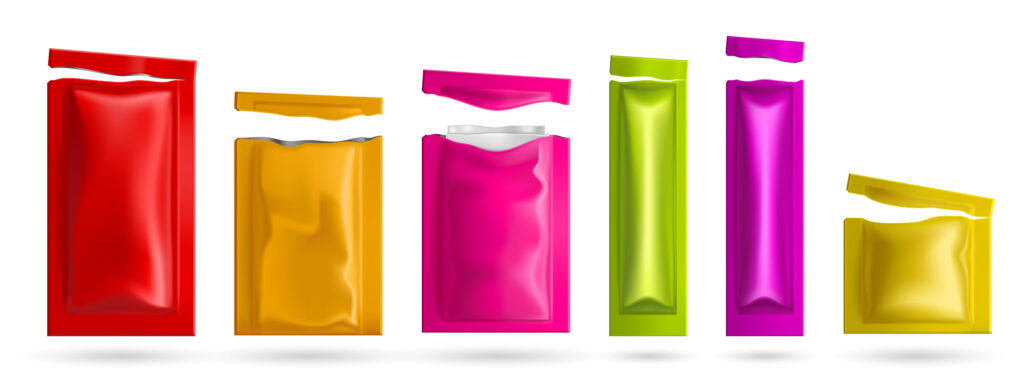
Most people think about microplastics in bottled water or takeaway containers. Very few think about what’s in their electrolyte supplement. But this is where the problem runs surprisingly deep.
Here’s the four-part contamination problem with standard electrolyte products:
Contaminated source minerals – 94% of commercial salts contain microplastics. The average is 140 particles per kilogram. Himalayan pink salt, used in many “clean” supplements, tested highest of all.
Sachet lining leaching – The polymer film inside every single-use sachet releases microplastic particles into the drink when mixed with liquid.
Tear fragments – Shearing open a sachet releases additional plastic fragments directly into your drink at the moment of opening.
Waste that becomes future exposure – At two servings per day, one sachet-based brand generates 730 unrecyclable plastic sachets per customer per year. They go to the landfill. They fragment into the microplastics that end up back in our water and food.
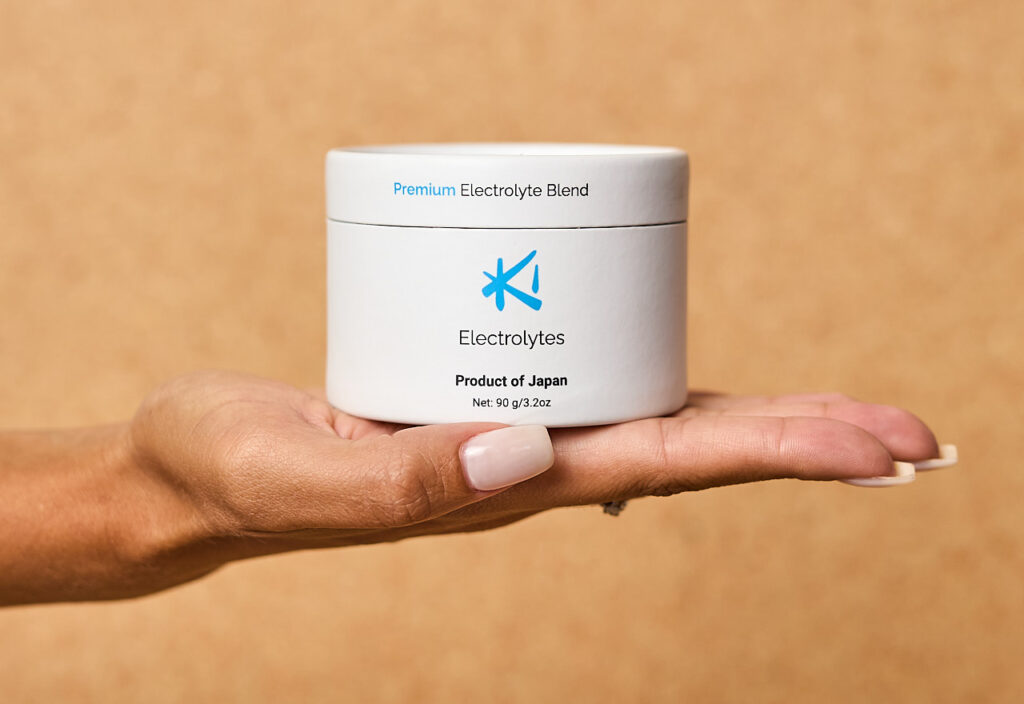
Ki Electrolytes was built specifically around this problem. Two whole natural mineral salts harvested from the Sea of Japan and ancient European rock formations processed through a proprietary 0.5-micron microplastic removal system. Packaged in a refillable glass jar with bamboo components. No sachets, no lining, no tear fragments, no synthetic additives.
Not completely, based on current science. The body does excrete many microplastics through the gut especially larger particles. But smaller nanoplastics can cross into the bloodstream and lodge in organs, where the body has no specific mechanism to target them. The best strategy is to reduce ongoing exposure while supporting your body’s natural elimination pathways.
There’s no established timeline yet the science is still developing. What is clear is that reducing daily exposure is cumulative: fewer particles coming in means less burden building up over time. Consistency matters more than speed here.
No and this is one of the most surprising findings in the research. A 2019 Scientific Reports study found Himalayan pink salt had the highest microplastic contamination of all salt types tested, at 174 particles per kilogram. “Clean” marketing does not mean clean ingredients.
Reverse osmosis systems remove the highest percentage of microplastics (up to 99%). Activated carbon block filters also perform well. Standard Brita-style pitcher filters have more limited effectiveness against very small particles. Whatever filter you use, store and drink from glass or stainless steel not plastic.
Most do through contaminated source minerals, sachet lining, and tear fragments. This is a largely unaddressed problem in the supplement industry. If you use electrolytes regularly, look for products that use microplastic-removed mineral sources and glass or compostable packaging.
Ki Electrolytes. 2 ingredients. 1.5g per serving. No sachets. No microplastics. Built for the morning moment that sets up everything else.