
Everyone is downloading premium apps on a dying battery. Nootropics. Adaptogens. Lion’s mane. Ashwagandha. Alpha-GPC. Magnesium Lthreonate. Caffeine. Creatine. Medications. Cold plunges. Breathwork. Real money. Real science behind many of them. Real confusion about why they are not delivering what the research promised. Nobody checked the battery first.
Your body operates exactly like a smartphone. You can install the most sophisticated software in the world, but if the underlying system is running at 30% capacity and draining, the apps throttle. The processor slows. The performance degrades across everything, not just one thing. The experience you paid for does
not arrive. Morning dehydration is that battery problem. And it is the most overlooked variable in every cognitive performance stack.
The most sophisticated morning stack in the world performs better on a fully charged system. The second charge is how you charge it.

Every night, without exception, your body loses between 0.5 and 1 litre of fluid. Not because something went wrong. Because the body runs continuous metabolic
processes through the night ,respiration, perspiration, cellular repair ,that require and expend water constantly.
No fluid comes in. No electrolytes are replaced. By the time you open your eyes, you are already in measurable deficit before the day has asked a single thing of
you.
This is called the overnight deficit. Sleep gets you to approximately 70% of your biological baseline. The remaining 30% requires a separate act to close: water and
electrolytes in the first hour of the morning, before anything else.
Most people skip this entirely. They wake, reach for caffeine, and layer their supplement stack on top of a system running at degraded capacity. Then they wonder why the lion’s mane is not delivering the focus the reviews described. It is not the lion’s mane. It is the substrate it is being delivered into.
Your brain is 73% water. Every cognitive process memory consolidation, signal transmission, hormone regulation, executive function, creative thinking, working
memory, depends on an electrochemical environment that water and mineral electrolytes make possible.
Sodium, potassium, and magnesium are not wellness ingredients. They are the electrical conductors your neurons use to fire. Without adequate concentrations of
These minerals, in the correct fluid environment, neural transmission slows, electrical gradients degrade, and the cognitive performance you are optimising for becomes physically unavailable regardless of what else you take.
At just 1 to 2% dehydration - well before thirst fires -working memory, attention, reaction time, and mood are all measurably impaired. The brain does not flag what it is missing. Everything just runs slower.
For most professionals, that threshold is reached every single morning before the first sip of anything. They are performing their most important cognitive work
the first meeting, the first decision, the first creative session on a system that has not been charged.
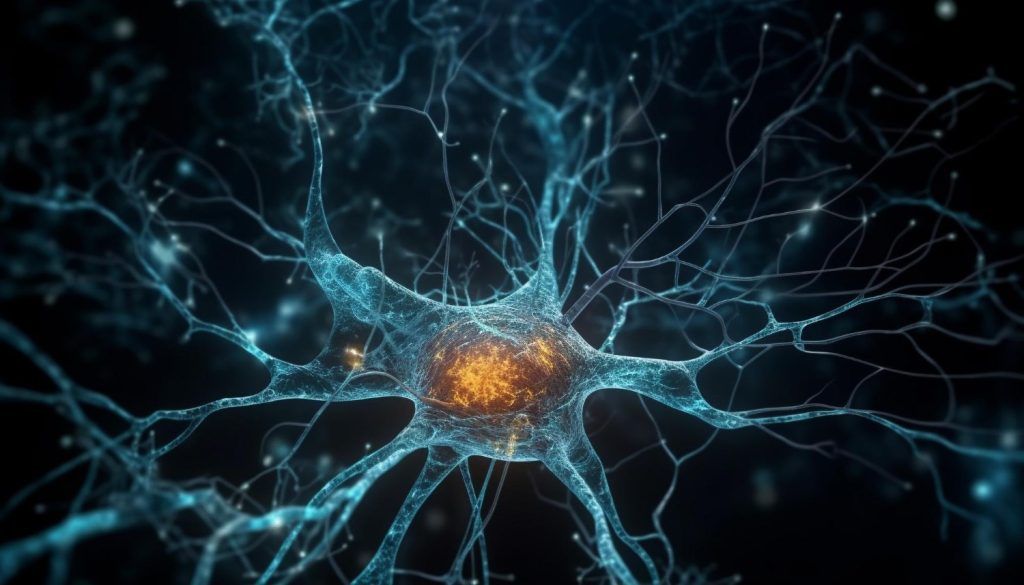
Here is the specific mechanism that makes morning dehydration a performance multiplier problem, not just a hydration problem.
Blood-Brain Barrier Function
The blood-brain barrier is the selective filter that determines what reaches your brain and what does not. Dehydration impairs its function. Compounds that would normally cross efficiently are delivered at reduced rates. This applies to nootropics, adaptogenic compounds, and medications alike. You are not getting what you paid for.
Cellular Uptake and Bioavailability
Every cell in your body requires adequate hydration to absorb nutrients efficiently.Dehydrated cells have reduced membrane permeability. The bioavailability of fat-soluble and water-soluble compounds both suffer under dehydration. A supplement with 85% bioavailability in a properly hydrated system may deliver significantly less in a depleted one.
Electrochemical Substrate Degradation
Many cognitive supplements work by enhancing synaptic density, neurotransmitter availability, or neural firing efficiency. But these mechanisms depend on a functional electrochemical environment. Magnesium L-threonate, for example, one of the most popular nootropics in the biohacker market, targets synaptic density.Taking it on a body that is inadequately hydrated limits the electrochemical responsiveness of the very synapses it is designed to enhance.
The substrate matters. You cannot optimise a system that has not been charged first.

Caffeine is the most widely used cognitive enhancer in the world. It is also the most commonly taken on a body that cannot absorb its benefits properly.
Caffeine does not create energy. It blocks adenosine, the molecule that signals fatigue, from reaching its receptors. The adenosine continues accumulating. When caffeine clears ,typically four to six hours later it floods back all at once. That is the crash. Pharmacology, not willpower.
Add this: caffeine above 360mg produces a net diuretic effect. Most two-coffee professionals cross that threshold before noon. You are actively losing fluid and electrolytes at the exact moment your body most needs to be replenishing the overnight deficit.
And most people take their first coffee before a single drop of water. On a body already one litre behind from the night before, deepening the deficit before the day has asked anything of them.
Ki is not anti-caffeine. It is pre-caffeine. Two minutes before anything else. Then everything performs the way it was designed to.

The biohacking community has produced extraordinary science on cognitive performance optimisation. The morning stack has become a legitimate area of serious research. But almost universally, the foundational step is missing from the conversation.
The correct order of operations is not: wake up, take your stack, then hydrate.It is: wake up, charge the system, then take your stack.

Step 1: 16oz of water with Ki electrolytes within the first 15 minutes of waking. On an empty stomach. Before coffee. Before supplements.
Step 2: A second 16oz serving 45 minutes later.
Total: 32oz within the first hour. Two minutes of active preparation. The overnight deficit closed before the first demand of the day.
The two-step structure is deliberate. The body’s optimal intestinal absorption rate is served better by two 16oz servings spaced 45 minutes apart than by consuming a full litre at once. The spacing also allows the first serving to begin closing the overnight deficit before the second amplifies the effect.
Plain water is insufficient. Without electrolytes particularly sodium to activate the intestinal sodium-glucose cotransporter (SGLT) absorption mechanism, water passes through the system without fully rehydrating cells. The minerals are not optional. They are the mechanism.
If you are spending money on your cognitive performance stack and the evidence suggests serious performers are the highest-leverage upgrade you can make is not a new nootropic.
It is completing the second charge before you take anything else.Every dollar you are spending on supplements performs better on a fully charged
system. Every cognitive benefit you are seeking the focus, the clarity, the sustained attention, the creative output is more accessible when the electrochemical environment those benefits depend on is properly maintained.
Ki is not part of your morning stack. It is what makes your morning stack work. Plug in first. Then run everything else.
This is the concept Ki was built on. Not another electrolyte brand competing on flavors and marketing. A foundational protocol built around the highest-leverage window of the day: the first hour of the morning, before the body has been asked to do anything, when restoring the overnight deficit is both easiest and most impactful.
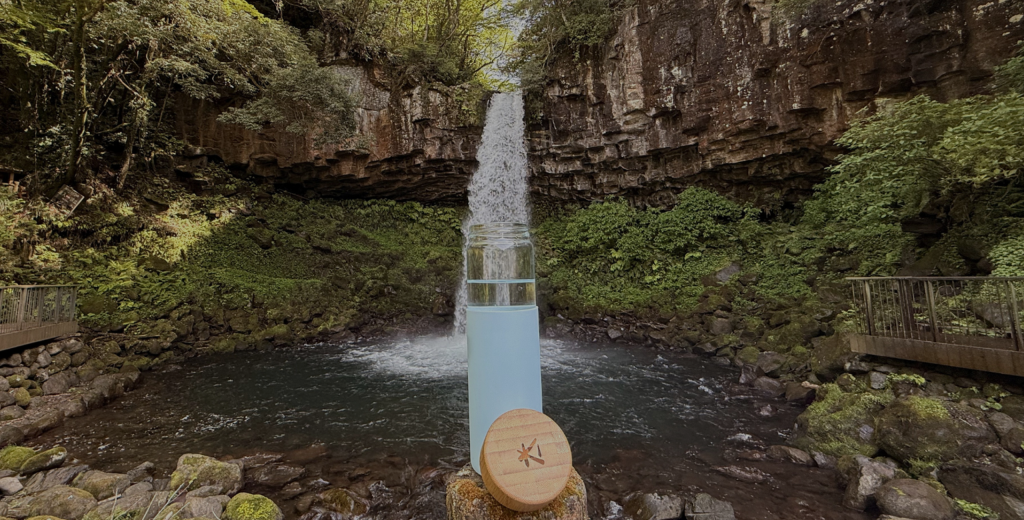
Ki uses two ingredients. Japanese marine minerals sourced from the Sea of Japan,off the island of Tsushima in Nagasaki, and ancient European rock salt. Both processed through a proprietary 0.5-micron microplastic removal system.
The Sea of Japan mineral profile is distinctive. Processed through slow evaporation using traditional methods that preserve magnesium, potassium, calcium, and over 60 trace minerals that industrial salt refining strips away, these are not engineered electrolytes. They are the mineral ratios the body co-evolved with over millennia.
Japan has the highest healthy life expectancy of any large nation on earth. Their traditional diet is rich in exactly the three electrolytes Ki is built on: sodium,potassium, and magnesium. Japan has been running the world’s longest longevity study on a high-electrolyte diet. The results have been consistent for decades.
The 0.5-micron microplastic removal process matters because 94% of commercial salt samples tested worldwide contain microplastics. Most filtration stops at 10 microns. Microplastics have been found in human brain tissue. Ki’s claim is microplastic-removed, processed to a standard of filtration precision that most manufacturers do not attempt.
No sweeteners. No synthetic isolates. No flavors. Nothing the body does not already need.
The biohacking community has done serious work on cognitive performance. The science behind many of the most popular supplements is real. But almost every morning stack in common use skips the foundational step that determines how well
everything else works.You cannot optimise a system that has not been charged.
The overnight deficit is not optional biology. Every human wakes in fluid and electrolyte deficit every single morning. The question is whether you address it before layering everything else on top of it, or whether you spend your supplement budget on compounds being delivered into a degraded substrate.
Plug in first. Two minutes. Before the coffee. Before the stack. Before the day asks anything of you.
That is the second charge. That is what Ki is built for.
Ki Electrolytes. 2 ingredients. 1.5g per serving. No sachets. No microplastics. Built for the morning moment that sets up everything else.