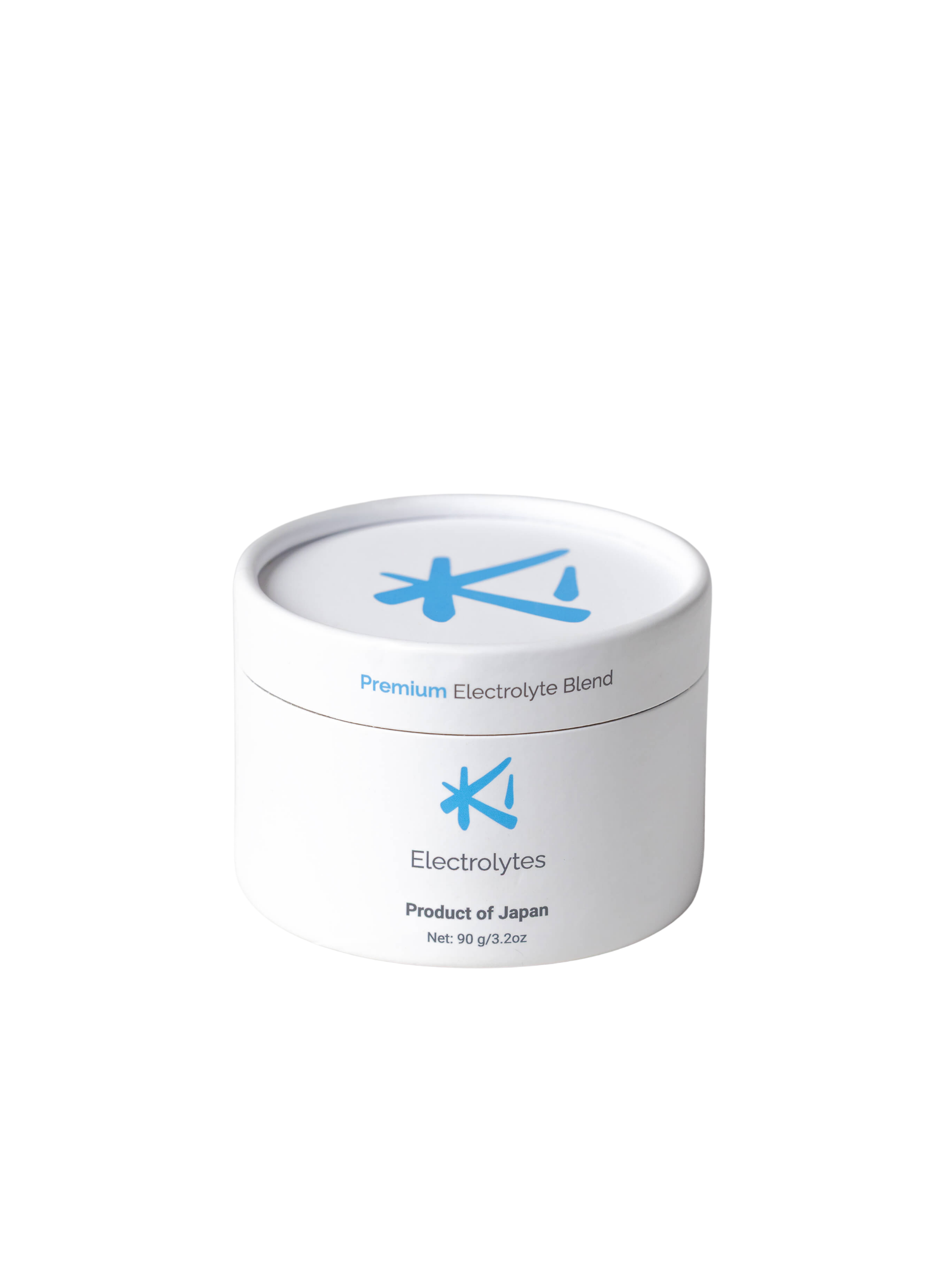
The body can lose up to a litre of fluid overnight through breathing and natural processes, and while sleep is essential for recovery and restoration it cannot replace these lost fluids, because fluid and electrolyte restoration is a separate system in the body that requires a separate, conscious act of replenishment, so although sleep gets you part of the way toward feeling restored and recharged, it does not fully complete the process, and the second charge—through proper hydration and electrolyte intake—closes the gap and brings the body back to full balance and optimal functioning.
The brain is largely composed of water and depends on precise electrochemical signals that require essential electrolytes such as sodium, potassium, and magnesium to fire at full fidelity and efficiency, and even mild overnight dehydration can disrupt and degrade these critical ionic gradients and balances before the day even properly begins, reducing optimal neural performance.
At around 1 to 2% dehydration—the level at which many professionals typically wake up each morning after several hours without fluid intake—the body is already experiencing measurable physiological effects that can subtly but meaningfully influence daily functioning, and when dehydration progresses further to about 3%, the resulting cognitive impairment can become significant enough to be comparable to the effects of having a blood alcohol concentration of 0.08, leading to noticeable declines in focus, slower reaction times, reduced alertness, and an overall drop in mental performance and efficiency
Caffeine works by blocking the biological signals that communicate fatigue to the brain, temporarily masking the sensation of tiredness rather than actually correcting or restoring the underlying physiological deficit that caused it in the first place, and while this can create a short-term feeling of alertness, it does not address the body’s real need for recovery and proper hydration. Consuming two coffees before noon can further contribute to this issue, as caffeine also has a mild diuretic effect, which increases fluid loss and can gradually deepen dehydration at a time when the body most critically needs to replenish lost fluids after the night. As a result, the familiar 3 pm energy crash is less about a lack of caffeine and more accurately understood as a fundamental energy and hydration deficit—a charging problem within the body’s systems—rather than a simple caffeine shortage that can be solved by drinking more coffee.
Focus is sustained more consistently well into the afternoon hours, allowing for clearer thinking and improved productivity without the usual drop in mental sharpness, while mood becomes more stable and less prone to fluctuations, creating a greater sense of balance and emotional steadiness throughout the day. As a result, the familiar 3 pm crash is prevented at its root cause rather than temporarily masked, removing the sudden dip in energy that many people have come to expect as normal. In reality, most individuals have never truly experienced what a fully charged and properly supported morning feels like, and what they once identified as part of their natural personality—such as brain fog, low motivation, or lack of clarity—was often not an inherent trait at all, but rather the result of an underlying substrate problem related to insufficient hydration, energy balance, or physiological support.