A personal realization from Noa
For a long time, I didn’t think dehydration applied to me.
I was working hard, training, eating well, staying productive. From the outside, everything looked fine. But internally, something always felt slightly off. Not sick. Not exhausted. Just… flat. Foggy. Less patient than I wanted to be.
I drank water… just not intentionally.
Most mornings looked the same: Wake up. Check my phone. Coffee. Emails. Meetings. Movement. Stress. Hydration always came later.
What I didn’t realize at the time was that I was asking my body to perform before I had given it anything back. I was starting each day already depleted and treating that state as normal.
Nothing dramatic happened to make me notice this. No warning sign. No breakdown.
Just a quiet realization that dehydration wasn’t something I occasionally slipped into, it was something I was living inside of, every single day, without realizing it.
That realization changed how I began thinking about hydration entirely.
Most people think dehydration is something that happens when you forget to drink water. In reality, dehydration is something that happens by default, simply by living a modern life.
You can drink water every day and still be chronically dehydrated. You can eat well, exercise, and still feel dry, foggy, or flat. Not because you’re doing something wrong, but because modern life quietly pulls water out of us all day long.
This isn’t a personal failure. It’s a structural one.
Sleep is the longest period of time humans go without water. For six to nine hours:
You’re breathing out moisture
You’re losing fluid through your skin
Your body is repairing, regulating, and consuming water
You’re not replenishing anything
By the time you wake up, dehydration has already begun.
And yet, most mornings start with: Checking a phone. Coffee. Stress. Movement. Screens. Hydration is delayed—or forgotten entirely. So the day begins from a deficit.
Dehydration used to be obvious. Today, it’s subtle.
We live indoors, climate‑controlled, seated, and constantly stimulated. We’ve lost touch with many of the body’s natural signals—especially thirst. Modern dehydration doesn’t always feel like extreme thirst or physical weakness.
More often, it shows up as:
Brain fog
Low energy
Reduced patience
Difficulty focusing
A constant sense of being slightly “off”
Dehydration doesn’t shout. It whispers.
One of the most overlooked contributors to dehydration is concentration.
When you’re focused, you stop noticing bodily cues. Thirst signals are suppressed. Time passes without drinking. Ironically, the more productive you are, the easier it is to forget hydration.
Add screens, deadlines, and mental load, and hydration becomes reactive instead of intentional.
Most of modern life happens in environments that quietly dry us out: Air‑conditioned offices, heated homes, cars, airplanes. Low‑humidity environments increase fluid loss without us noticing.
We’re not sweating visibly—but we’re losing water continuously.
This is the most important point. Nothing described here is extreme.
Sleeping is normal. Working is normal. Focusing is normal. Living indoors is normal. Being busy is normal.
That’s exactly why dehydration has become the default state, not the exception. Dehydration isn’t caused by negligence. It’s caused by how modern life is structured.
Hydration affects everything quietly: Energy. Focus. Mood. Physical comfort. Cognitive clarity. Not in a dramatic, instant way—but in a cumulative, daily one.
Hydration doesn’t solve life’s problems. But dehydration makes everything harder than it needs to be.
This article isn’t about fixing anything yet. It’s about recognizing that dehydration is common, subtle, structural, and starts earlier than most people think.
In the next articles, we’ll explore:
Why thirst is a late signal
Why timing matters more than quantity
Why existing itself dries us out
Why the brain feels dehydration first
And why the first action of the day matters more than any other
For now, it’s enough to understand this: If dehydration is the default, hydration must become intentional.
That’s where everything begins.
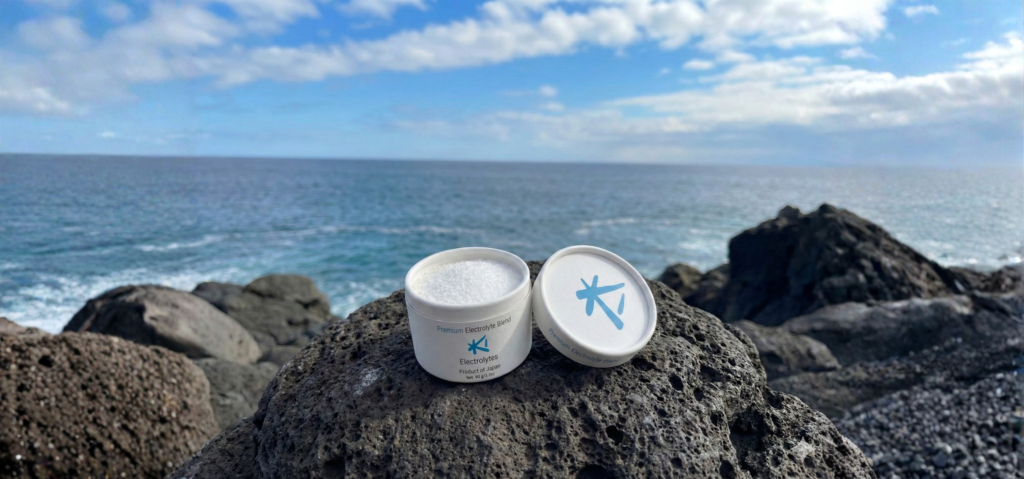
Ki Electrolytes. 2 ingredients. 1.5g per serving. No sachets. No microplastics. Built for the morning moment that sets up everything else.