

When you’re dehydrated after an intense workout, a stomach bug, or a scorching afternoon outdoors, someone inevitably suggests mixing up your own electrolyte drink at home. A pinch of salt, a spoonful of sugar, a splash of citrus juice, and water simple enough. But does this DIY formula actually replace what your body loses in sweat, vomiting, or diarrhea? The honest answer is: sometimes. Homemade electrolyte drinks can help with mild, everyday dehydration, but they often miss the mark when your body needs a precise, balanced mix of sodium, potassium, magnesium, and calcium. This guide breaks down what electrolytes really do, how a basic homemade recipe works, where it falls short, and why a purpose-built formula like Ki Electrolytes may be the smarter, more reliable choice when hydration truly matters.
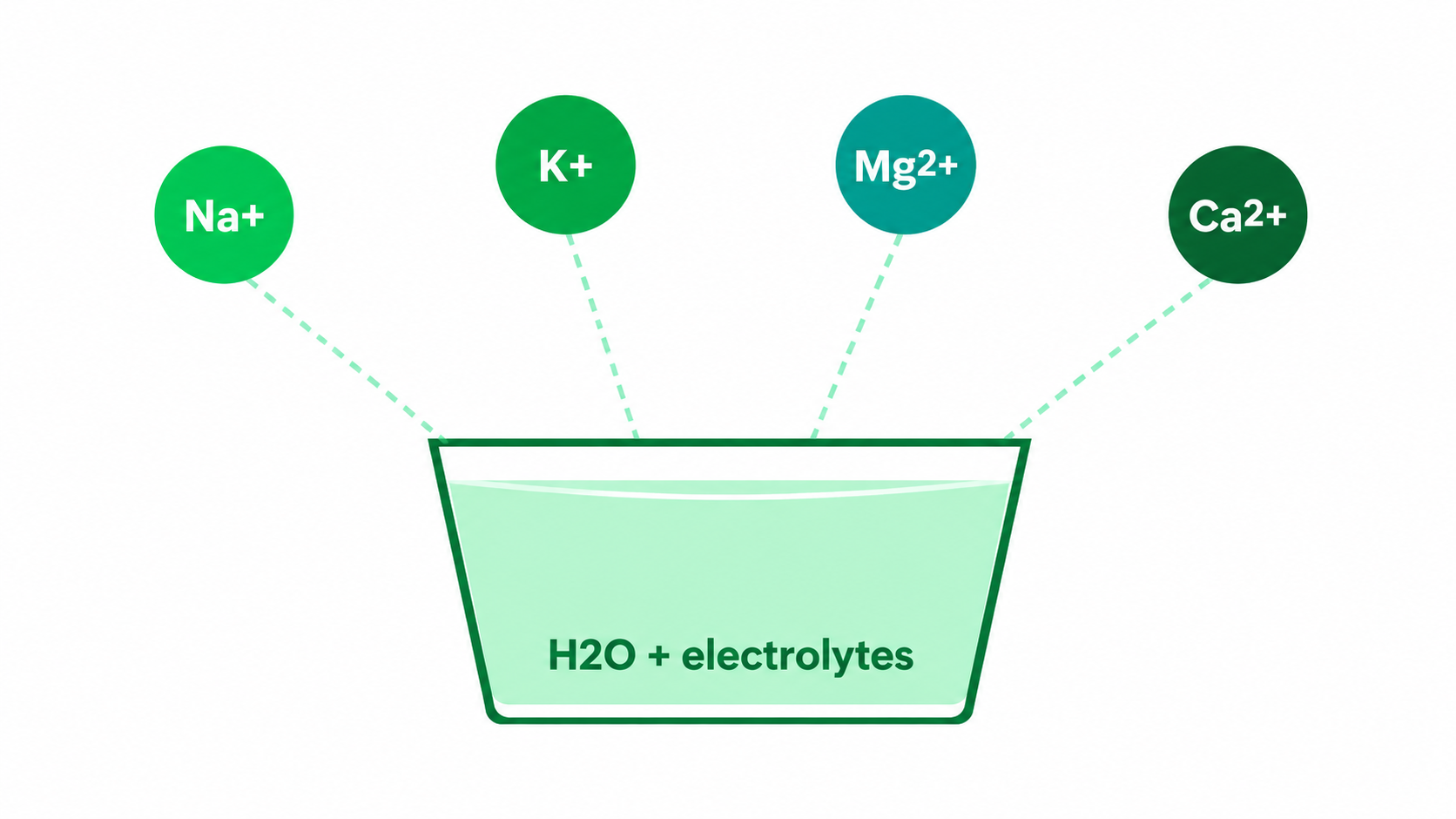
Electrolytes are minerals primarily sodium, potassium, magnesium, calcium, and chloride that carry an electric charge when dissolved in body fluids.They regulate nerve signals, muscle contractions, fluid balance, and pH levels, and are essential for basic life functioning.Every time you sweat, vomit, or have diarrhea, you lose water and electrolytes together, not just water. That’s why drinking plain water alone during heavy fluid loss can sometimes worsen imbalances rather than fix them. Replenishing electrolytes alongside water helps your cells absorb fluid more efficiently and keeps your muscles and nervous system functioning normally. Athletes, people recovering from illness, outdoor workers, and anyone in hot climates need to pay close attention to electrolyte balance, not just total water intake.
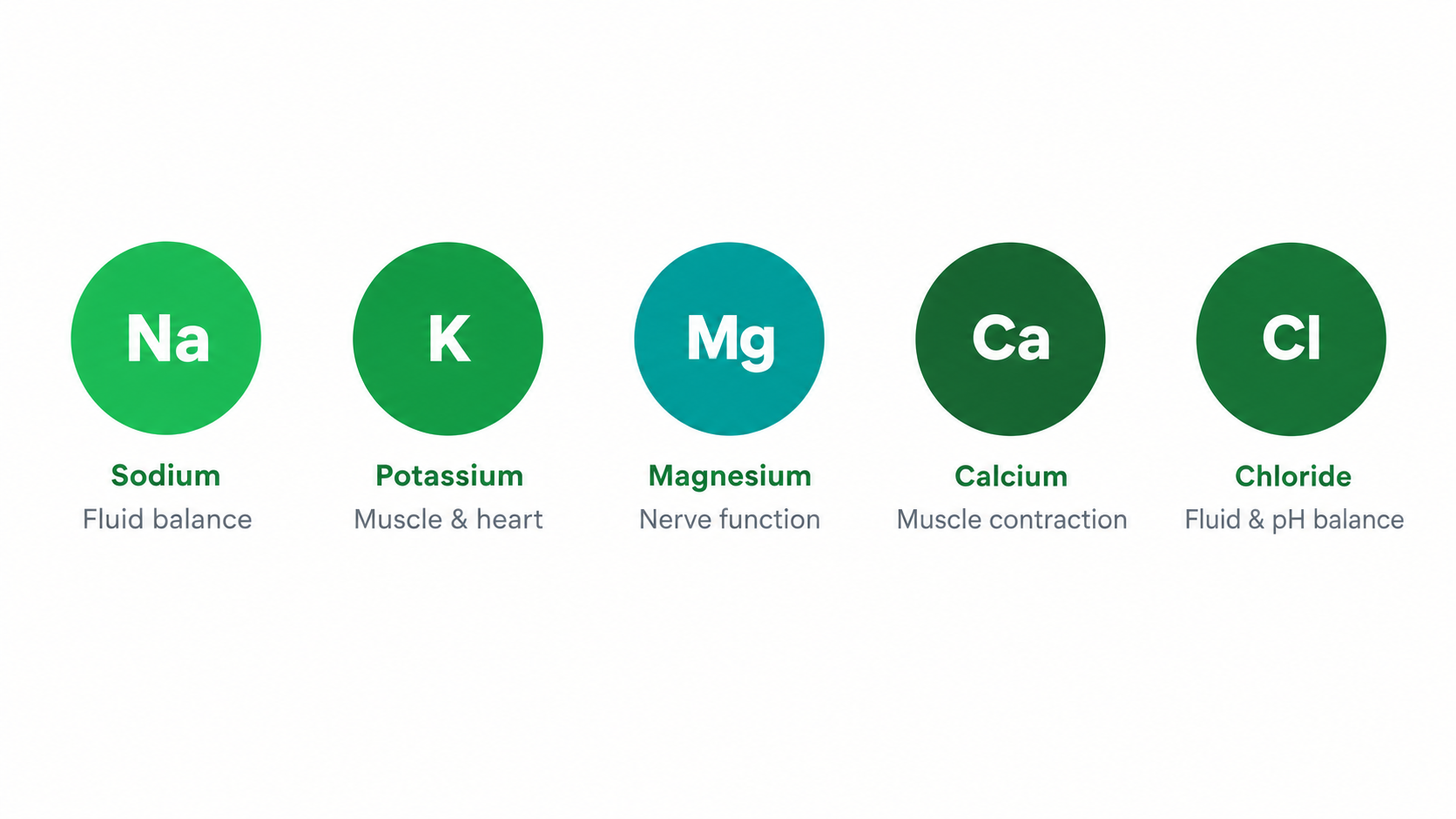
A common homemade recipe combines water, a pinch of salt (sodium chloride), a small amount of sugar to support fluid absorption, and citrus juice or a bit of baking soda for potassium and flavor. This basic mix provides sodium and glucose, which can help support fluid absorption compared with water alone. It’s inexpensive, uses ingredients most people already have in their kitchen, and can be adjusted to taste.
But there’s another consideration: the quality of the salt you’re adding to your water.
Research published in Scientific Reports examined 17 commercial salt brands from eight different countries and detected microplastics in most of the brands tested. The researchers identified plastic particles including fragments, filaments, and films, with polypropylene and polyethylene among the polymers detected.

This raises an important consideration when you’re using salt as part of something you consume every day: purity matters.
Hydration isn’t simply about putting sodium into water. It’s about being intentional about the ingredients you’re putting into your body.
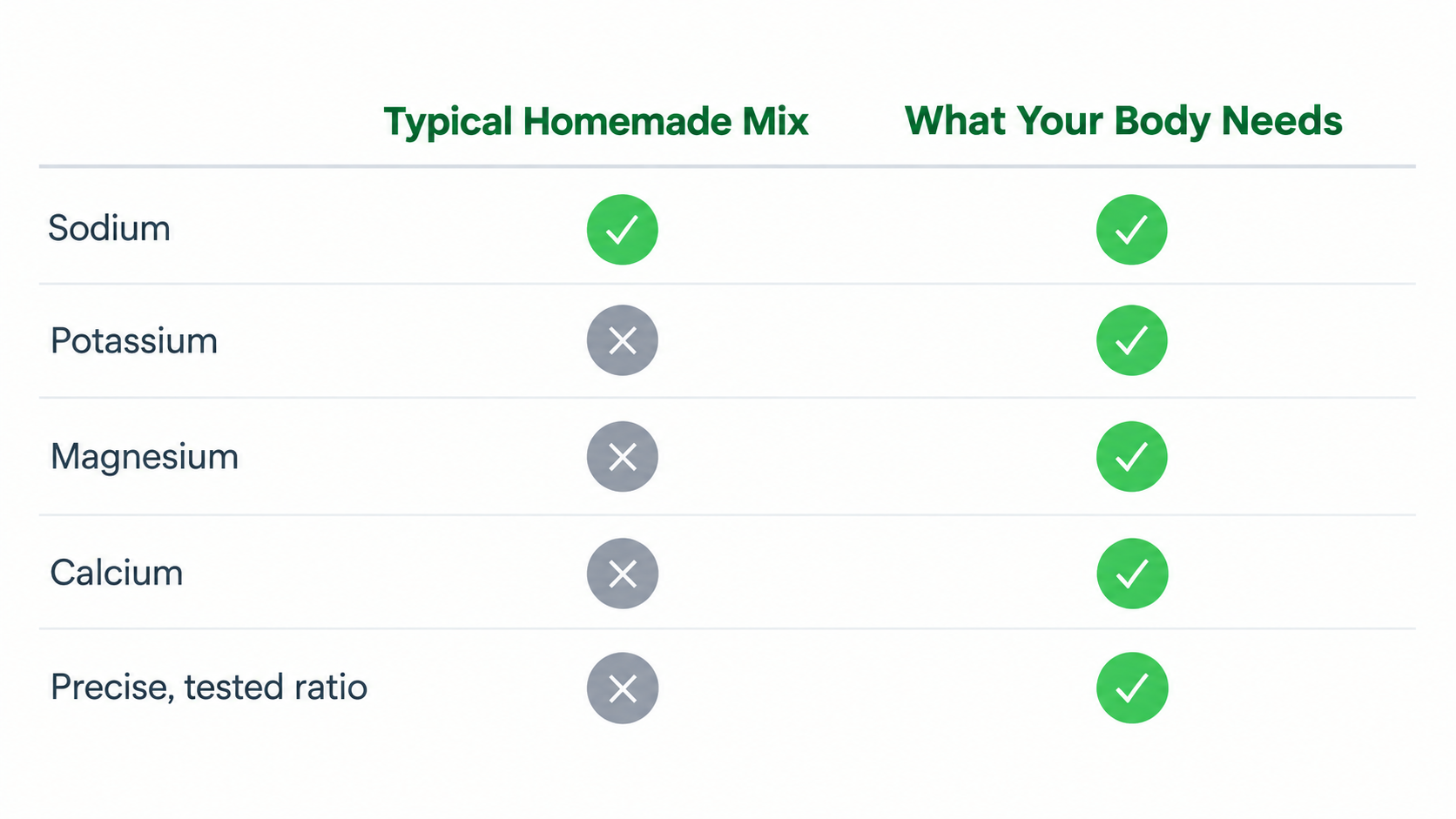
It’s not really an either-or situation, it depends on the level of hydration support you need and your lifestyle. A homemade electrolyte drink may seem simple and convenient, but it can be difficult to consistently measure the right balance of electrolytes, and the nutritional profile can vary from one preparation to another.
For founders, professionals, travelers, people who fast, athletes, or anyone dealing with long days, intense workouts, heat exposure, or prolonged sweating, a well-formulated electrolyte product can offer something homemade recipes can’t: consistent, carefully measured ratios of key electrolytes in every serving. A peer-reviewed review published through the National Library of Medicine found that individualized sodium and fluid replacement strategies can significantly affect endurance performance and health outcomes.
When choosing a formulated electrolyte, it’s also worth looking beyond the electrolyte numbers and considering the quality of the ingredients. Ki Electrolytes uses 0.5-micron filtration designed to remove microplastics and contains no sugar, no flavors, and no artificial ingredients, offering a simple approach to intentional hydration designed to support hydration at the cellular level.
Ultimately, the goal isn’t simply to add something to your water, it’s to choose an electrolyte solution that fits the way you live, work, travel, train, and perform.
Not always. Most homemade recipes focus on water, sodium, and sugar but may not provide a balanced range of electrolytes. The exact amounts can also vary depending on how the recipe is prepared.
They can provide some electrolytes, but they may not reliably replace what is lost during prolonged or intense exercise. Without precise measurements, it can be difficult to know whether you’re getting enough or too much of specific electrolytes.
Many DIY recipes are primarily built around sodium and sugar while providing little or no meaningful potassium, magnesium, or calcium, resulting in an incomplete electrolyte profile.
Research has detected microplastics in most of the commercial salt brands tested in one international study. While this does not mean every commercial salt contains microplastics, it highlights the importance of considering the quality and source of the salt you use.
Generally, yes. Formulated products can use precise ingredient ratios and standardized serving sizes, reducing the guesswork involved in preparing an electrolyte drink at home.