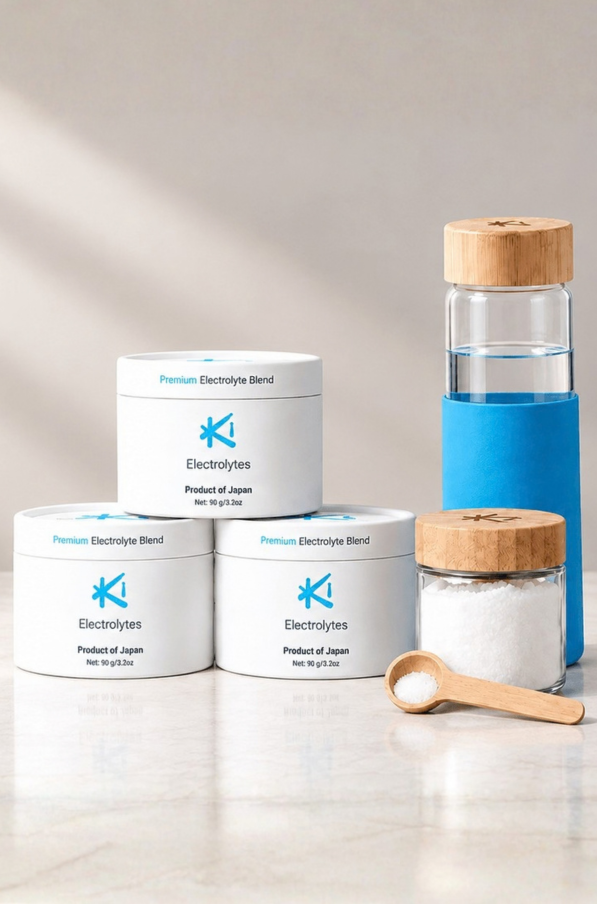
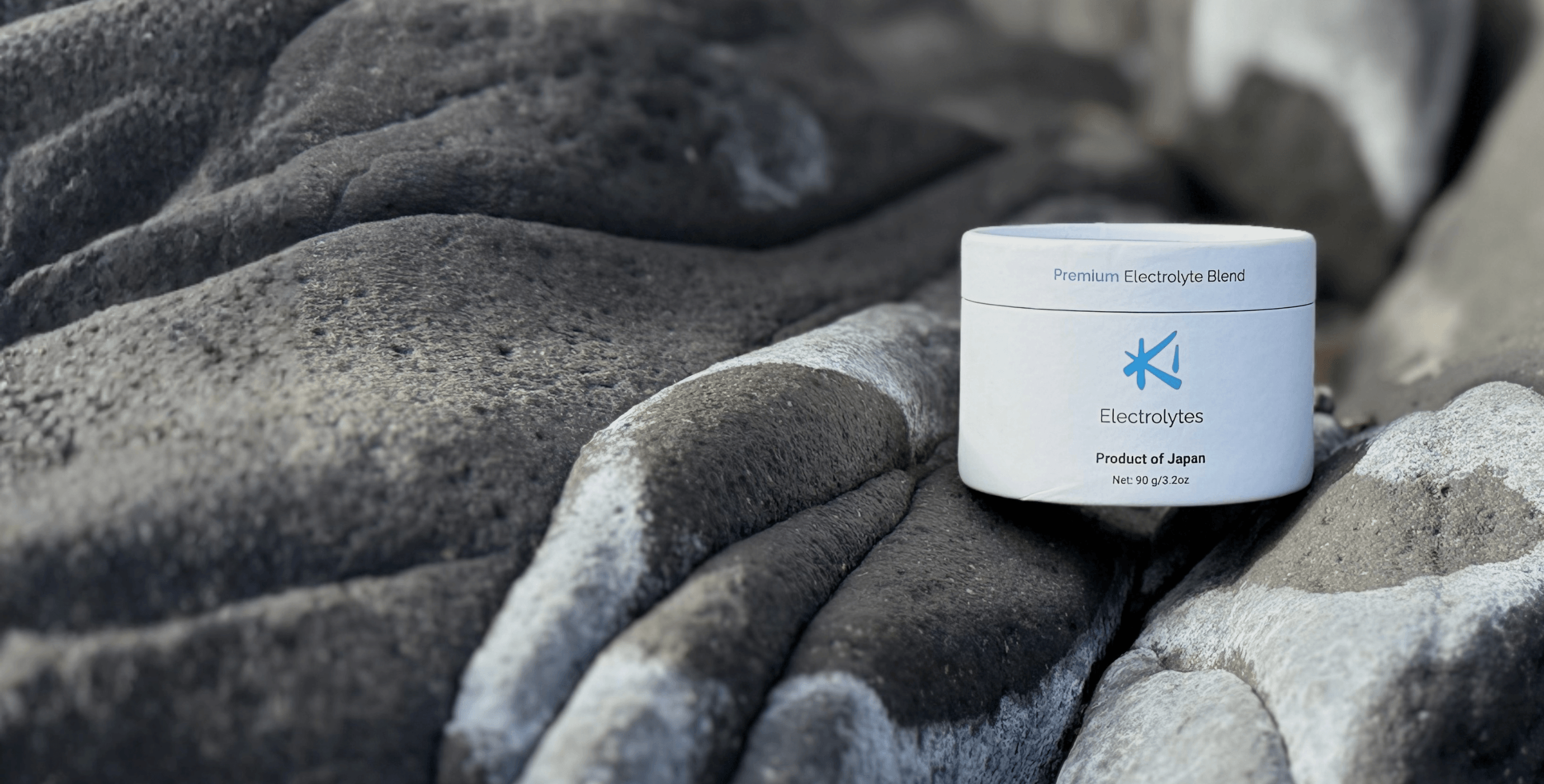
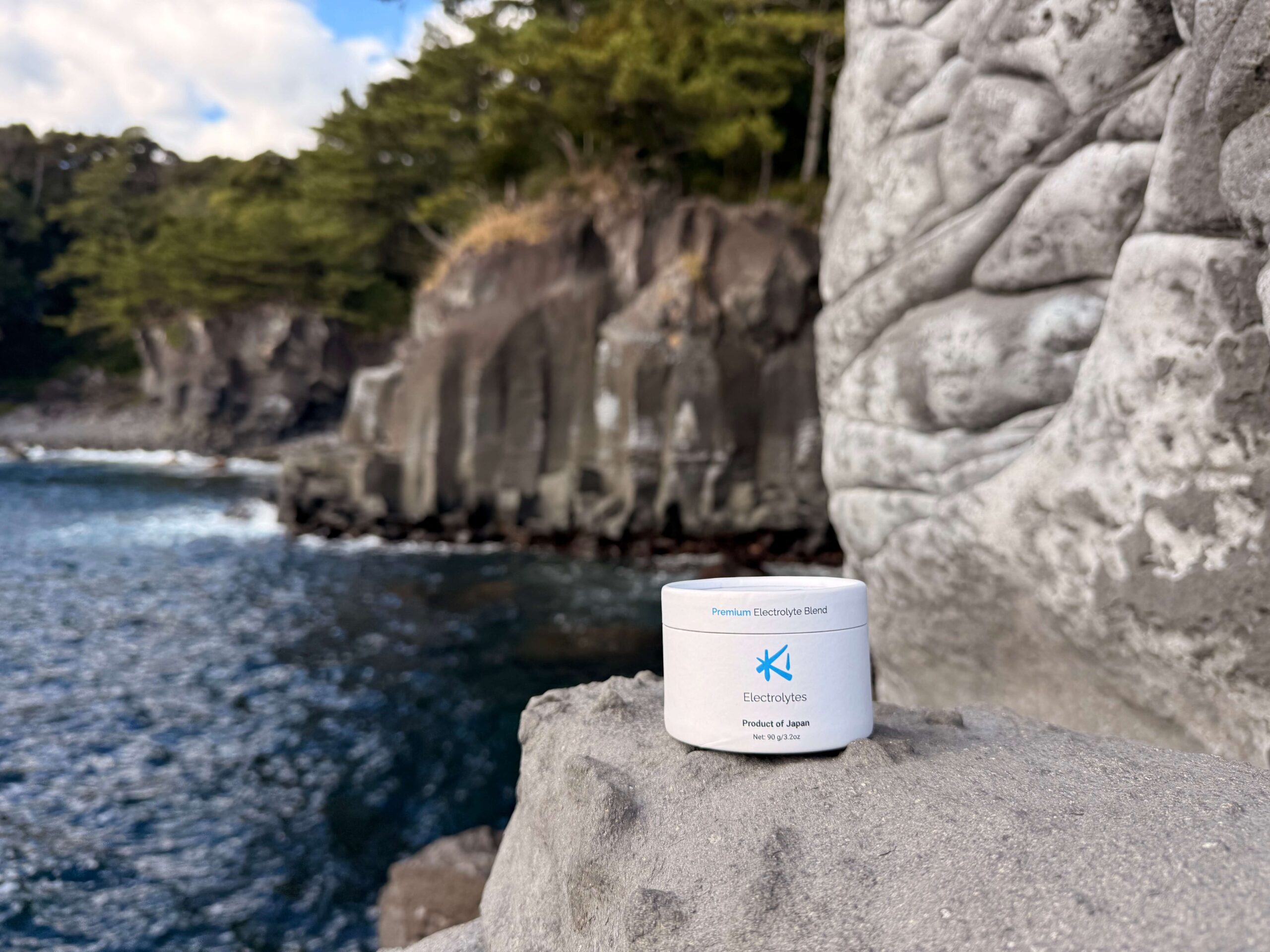
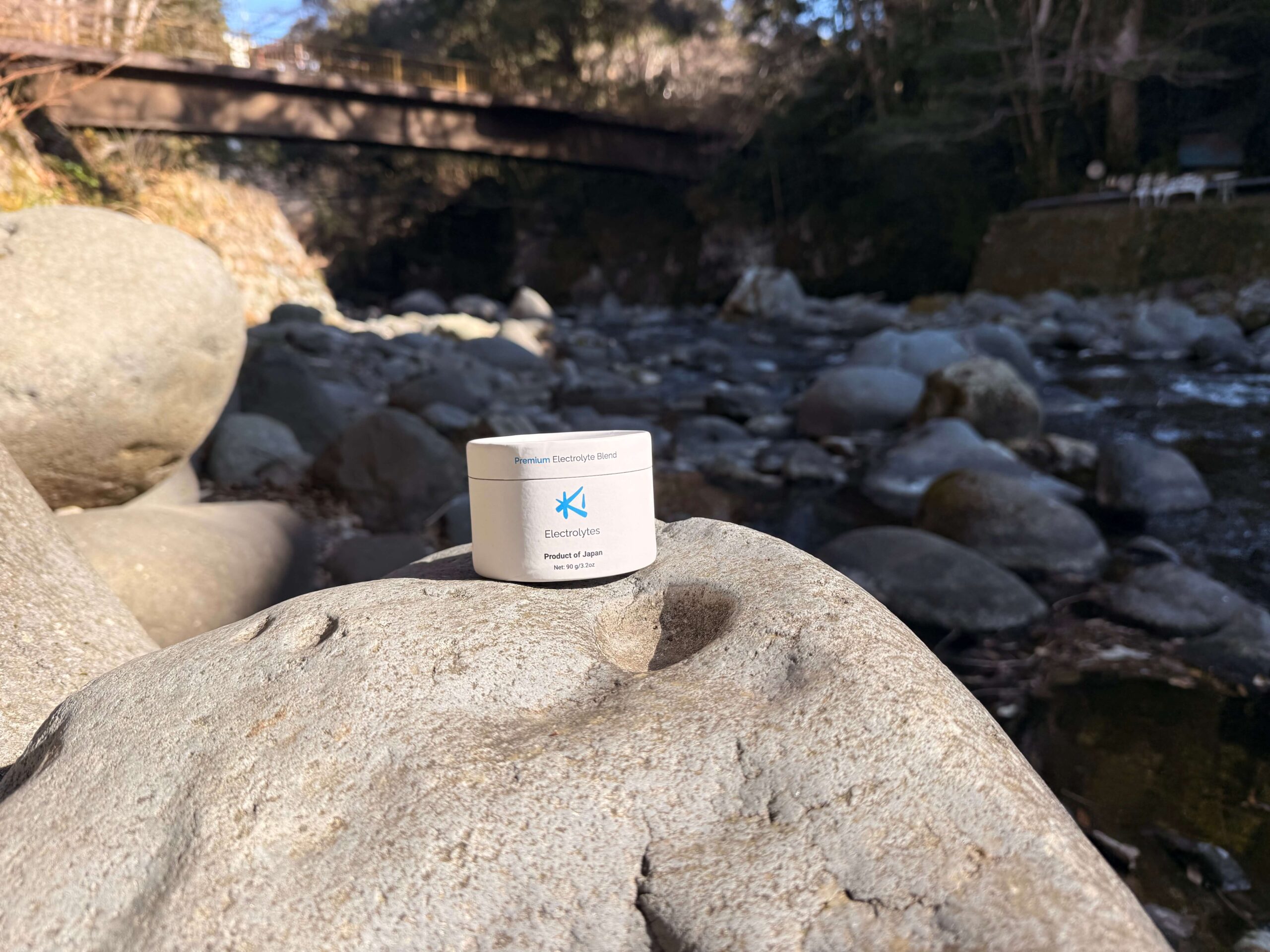
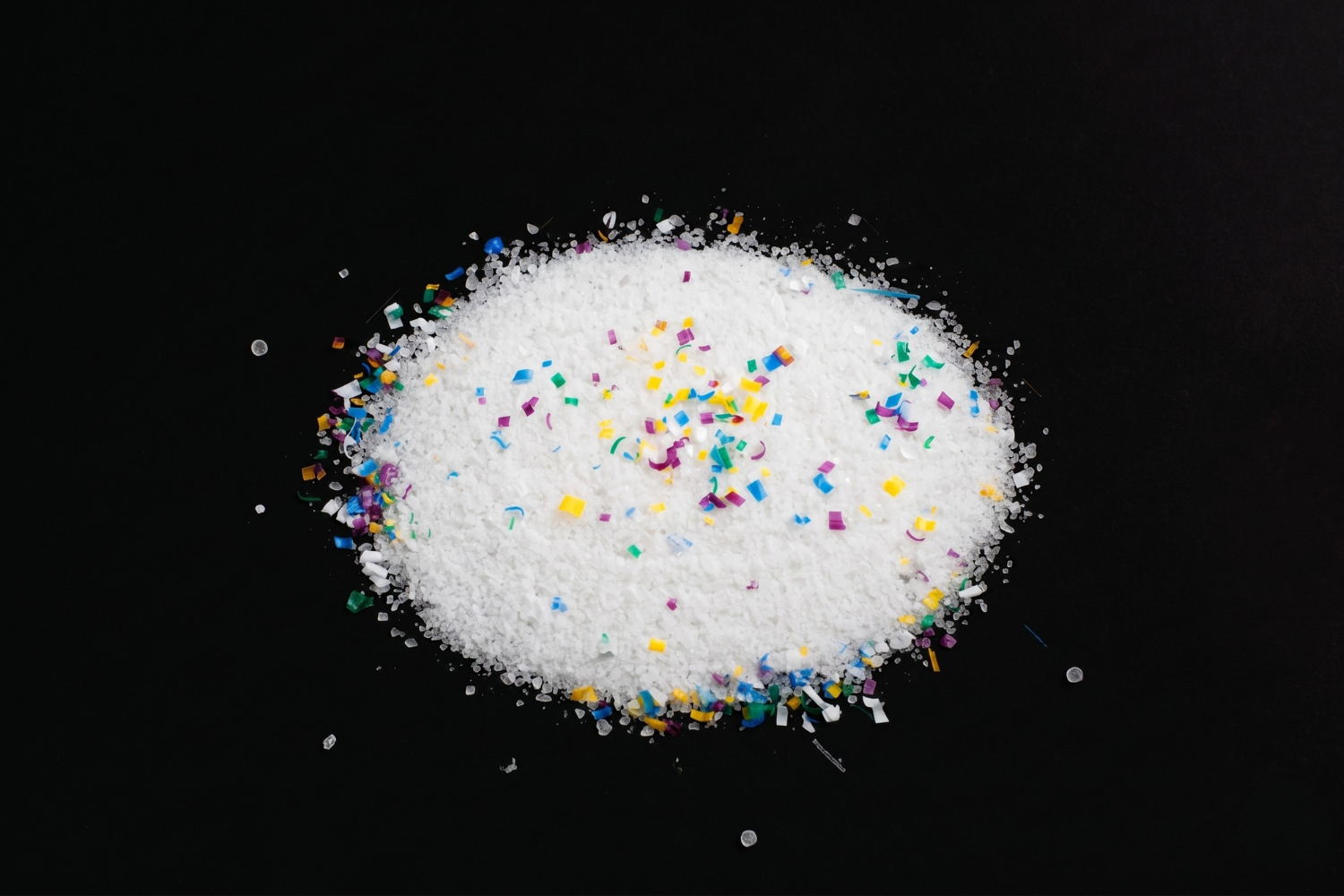
Built the long way.

The wellness industry chose quicker. Fillers that extend the powder. Sweeteners that sell more easily. Salts bought without question because contamination doesn’t show on a label.

Ki refused all of it.

The result took longer to build, costs more to make, and is cleaner in every way that matters.

The long way

There is a fast way to make electrolytes. Ki took the long way.

The wellness industry chose quicker. Fillers that extend the powder. Sweeteners that sell more easily. Salts bought without question because contamination doesn’t show on a label.

Ki refused all of it.

The result took longer to build, costs more to make, and is cleaner in every way that matters.

Responsible sourcing

Two ingredients. Real ingredients.

Most electrolyte brands use processed ingredients such as table salt. Ki uses neither.

‎Marine minerals from the Sea of Japan. Rare European rock salt.

From the sea · high in magnesium

Sea of Japan

Marine minerals

Japan sits on volcanic earth. The mineral-rich seabed flows into the waters Ki sources from. One of the highest natural magnesium concentrations on earth.

From the earth · high in potassium

European Rock Salt

Ancient mineral deposits

Ancient European rock salt formations, sealed underground for millions of years, produce a rare mineral profile dense in potassium. Harvested at a fraction of commercial maximums, processed only as needed.

The microplastic crisis

The product category built to support your health has been quietly undermining it. Ki is the correction.

The category has a four-part microplastic crisis. Ki addresses all four through a proprietary filtration process at our factory in Tsushima Island, Japan. No other electrolyte brand operates at this level.

01
0.5μ
The threshold Ki removes microplastics down to.

Contaminated ingredients

Category default

94% of commercial salts contain microplastics. Average load is 140 particles per kilogram. The premium "clean" option - Himalayan pink - tested highest of any salt at 174 particles per kilogram.

Ki's answer

A proprietary filtration process at our factory in Tsushima Island, Japan — removing particles down to 0.5 microns, 10,000 times more precise than the 5mm threshold used in most published research.
02
Zero
Polymer surfaces between the powder and the drink.

Leaching sachet lining

Category default

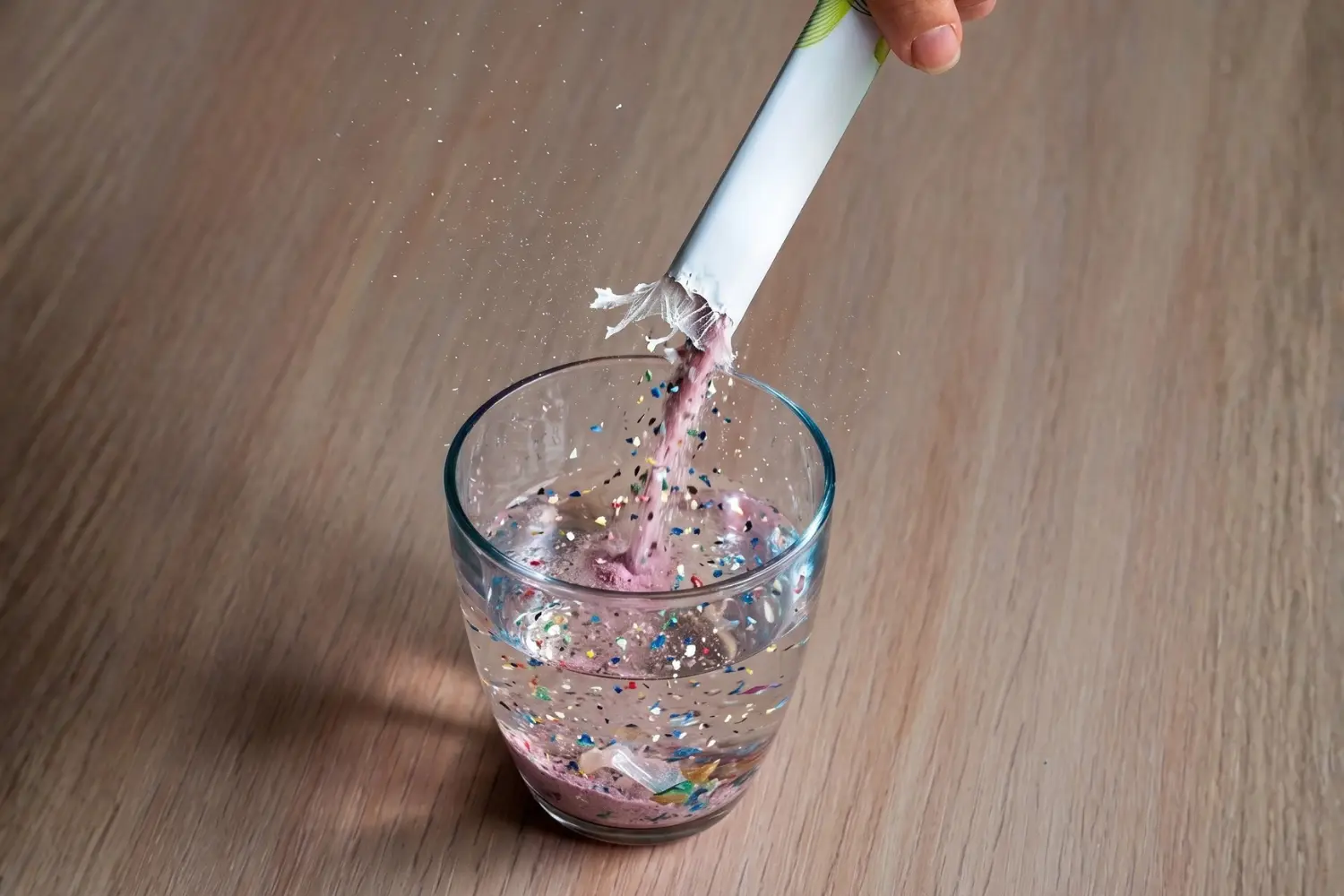
The polymer film that lines every standard sachet leaches microparticles directly into the drink - every serving, every morning.

Ki's answer

No polymer lining anywhere in the system. The paper cylinder contains the powder; a wooden spoon delivers it. The drink touches paper, wood, and water. Nothing else.

03
0
Tear events per serving.

Tear fragments at the point of use

Category default

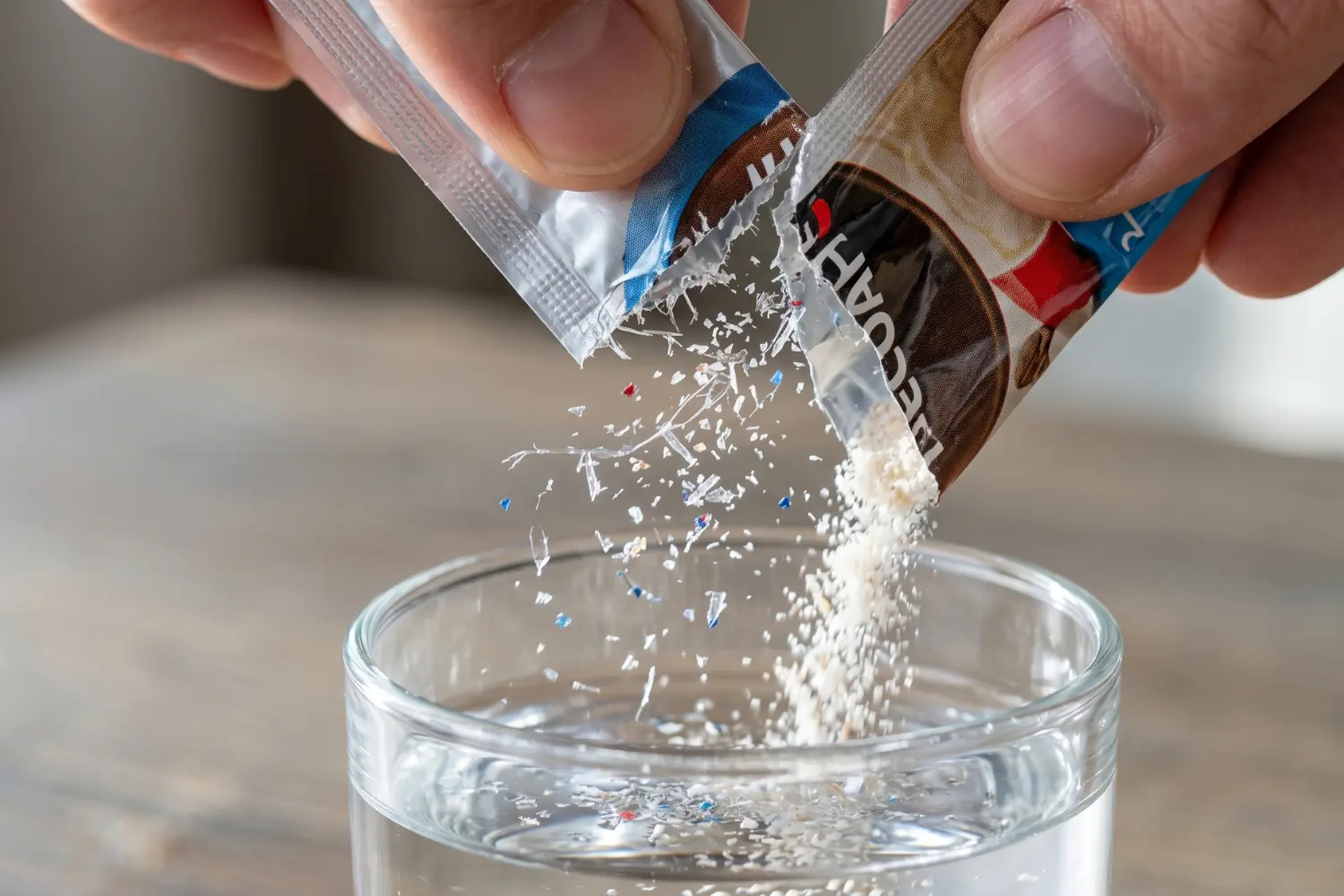
Shearing through a multilayer plastic sachet releases 0.46 to 250 microplastic particles per centimetre of cut (Fang et al., 2020). The last act before drinking introduces a fresh dose.

Ki's answer

Nothing to tear. The cylinder opens, the spoon scoops. No shearing, no fragments, no contamination at the moment of consumption.

04
730→12
Single-use units per year.

730 sachets to landfill, per customer, per year

Category default

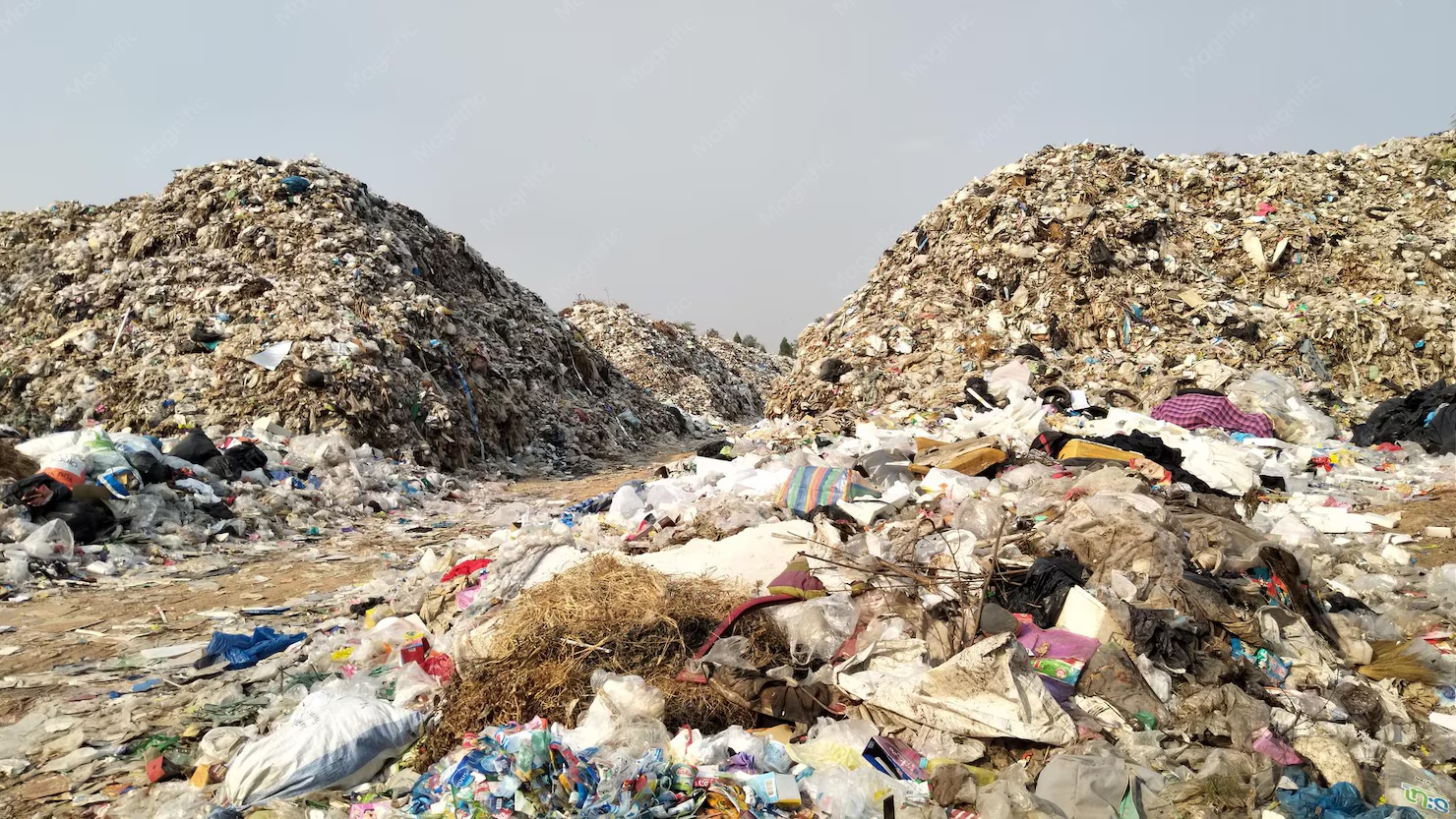
At two servings per day, a committed user would generate 730 single-use sachets per year — all to landfill. Every one a future source of microplastic fragmentation as UV, abrasion, and microbes break the polymers down over decades.

Ki's answer

One paper cylinder per month. Twelve per year. 97% less single-use packaging waste, by unit count, than the sachet alternative.

The 97% figure refers specifically to single-use packaging unit count (1 cylinder/month vs. 30 sachets/month). It is a Ki-derived calculation, not a published lifecycle analysis. A full LCA would be required to compare total carbon footprint or material weight.

The numbers

730 to 12.

A customer following the morning ritual generates 730 single-use sachets per year on a typical electrolyte brand. On Ki, they use 12 paper cylinders.

97% less single-use packaging waste, by unit count.

One year. Same protocol. Different planet.

Metric A year on sachets A year on Ki
Single-use packaging units per year 730 Multilayer plastic, single-use 12 Paper cylinders, refilled monthly

The 97% figure refers to single-use packaging unit count. Ki-derived calculation, not a published lifecycle analysis.

The microplastic problem

The research is catching up.

Three findings on where microplastics are turning up, and how fast.

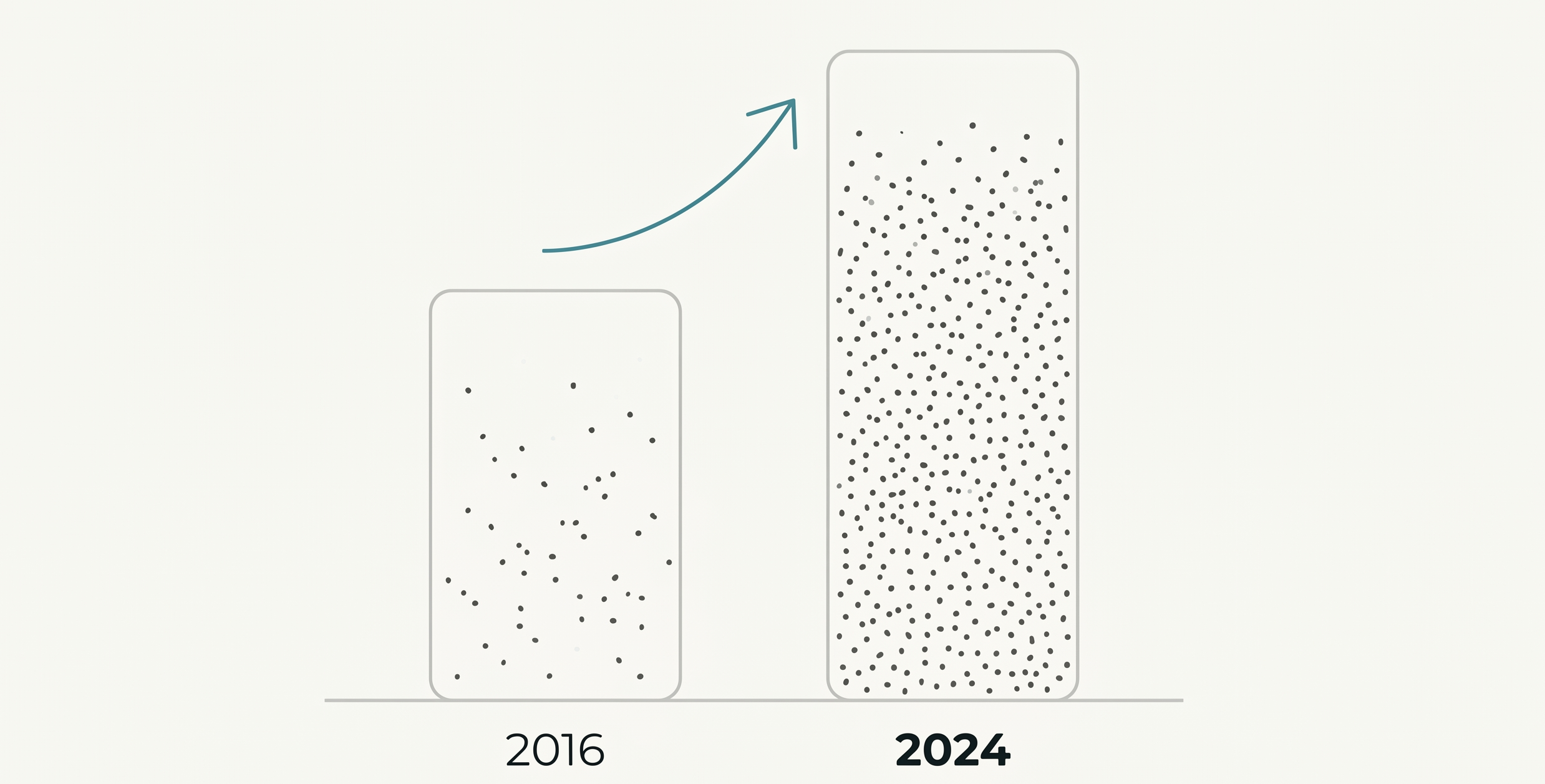
2016 → 2024
50%

Rise in brain microplastic concentration between 2016 and 2024.

Nature Medicine, 2025
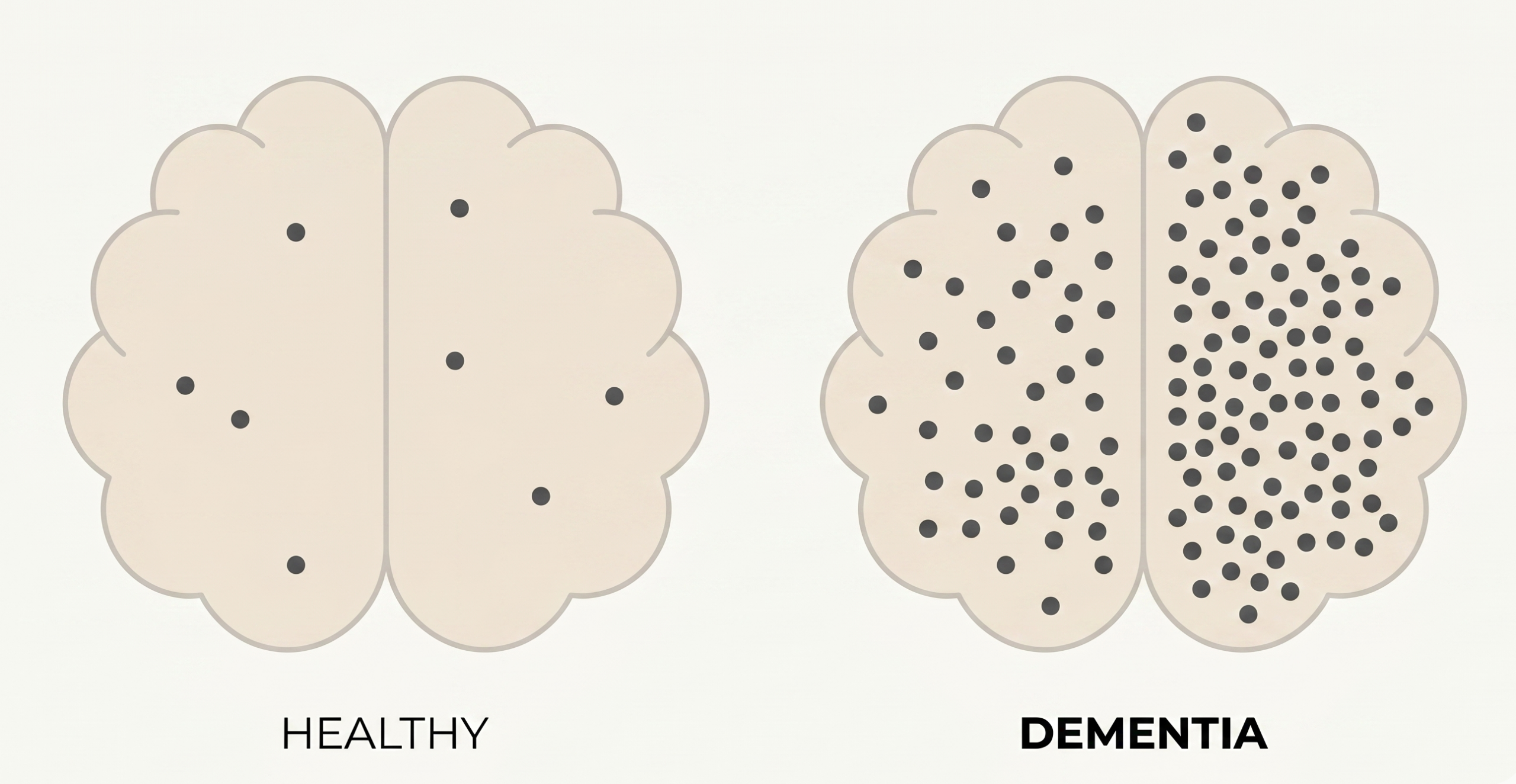
Healthy → Dementia
3–5×

More microplastics in dementia-affected brains versus neurologically healthy ones.

Nature Medicine, 2025
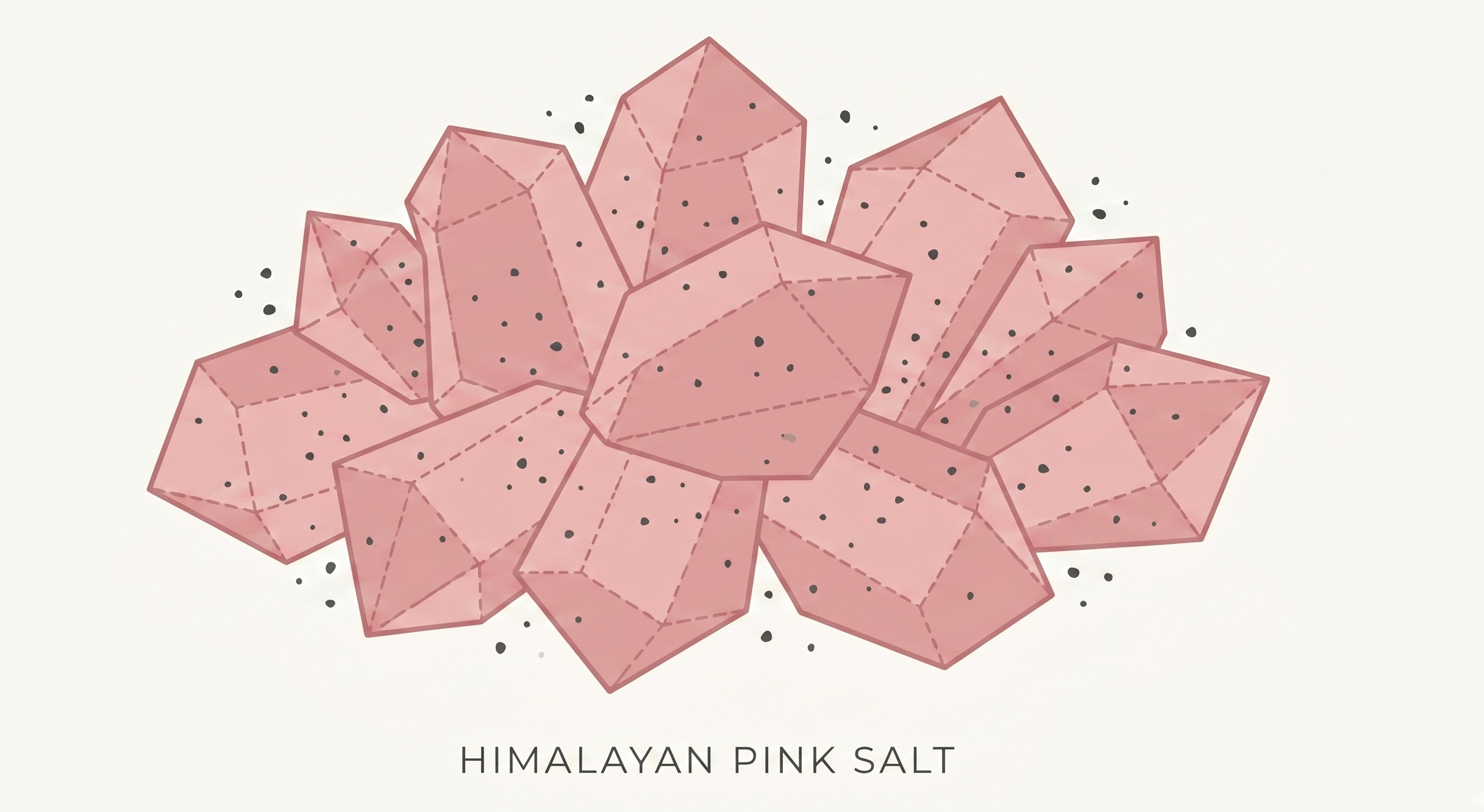
Himalayan pink salt
174/kg

Microplastic particles in Himalayan pink salt, the premium “clean” option.

Journal of Environmental Science, 2022

Figures as cited. Research findings, not product claims.

Held to the same standard

A clean body. A clean planet.

Ki refused processed ingredients. Ki refused single-use plastic. The same standard runs through everything from the seabed to the cylinder on your counter.

Crafted in Tsushima Island, Japan. The slow way.

Founder's pricing locks in for life · 1,000 bundles · One batch

The long way is the Only way we will make it

Late June 2026. USA ONLY.

Start with Ki.