

Here’s something most people never hear: you can drink water all day and still be dehydrated. Not the dramatic, dizzy kind of dehydration. The quiet kind. The kind that shows up as brain fog at 10am or fatigue that coffee can’t fix.
The reason is not how much water you drink. Instead, it comes down to what happens to that water after you swallow it. Plain water can fill your stomach without ever reaching the cells that actually need it.
In this guide, we’ll break down the real difference between drinking water and being hydrated. Along the way, you’ll learn what your body actually does with the water you drink, why electrolytes matter so much, and what to do differently starting tomorrow morning.
The short answer :
Drinking water and being hydrated are not the same thing. Water needs electrolytes, mainly sodium, to move from your gut into your bloodstream and then into your cells. Without enough sodium, a good portion of what you drink simply passes through and gets excreted. As a result, you can have a full stomach and still feel under-hydrated.
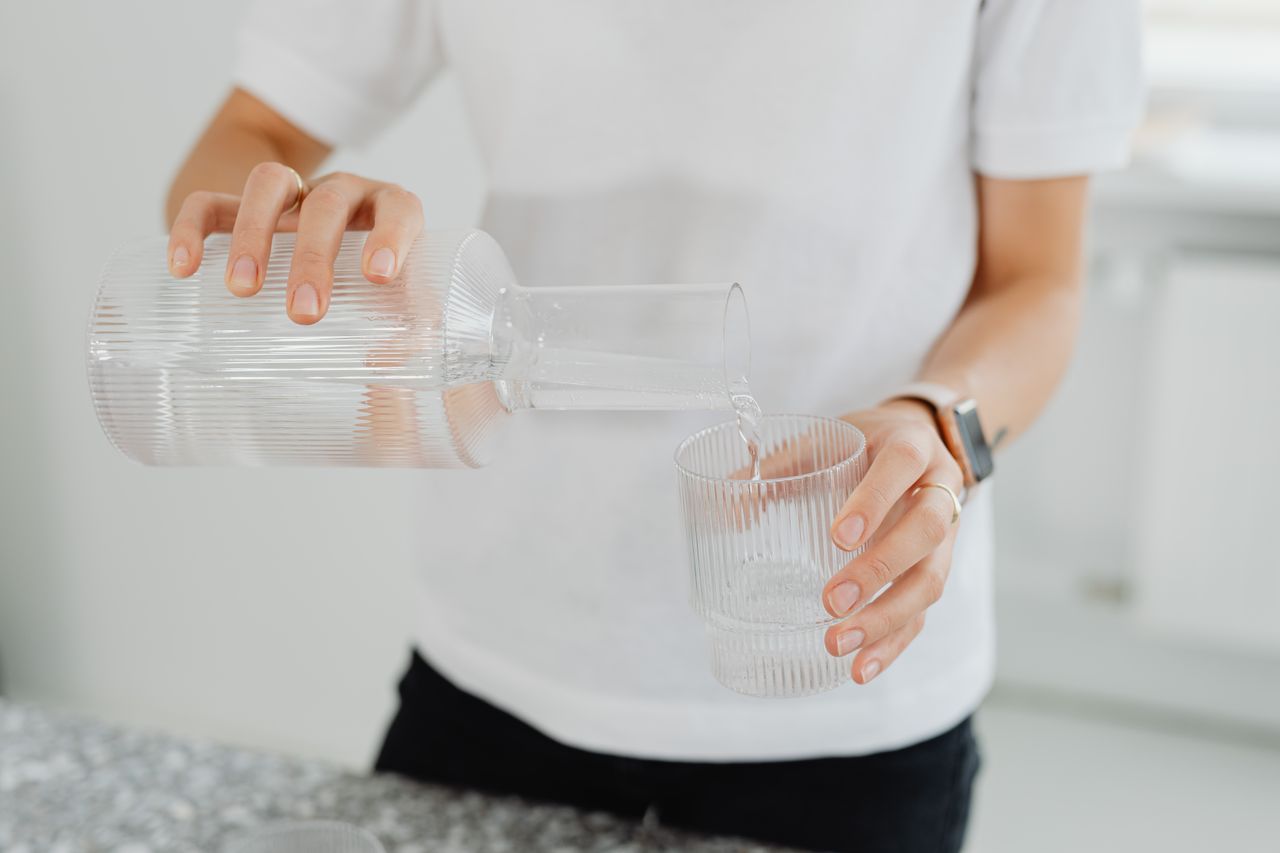
Think about the last time you drank a big glass of water but still felt off. Maybe you felt a little foggy or a little sluggish. That feeling was not in your head. Your body was giving you accurate feedback: the water arrived, but it never reached where it needed to go.
True hydration means water is inside your cells, powering your brain, supporting your muscles, and helping your organs run the way they should. It is not measured by how much you drank. Rather, it is measured by how much actually reached the cells that needed it.
Your body keeps water in two main places. Some sits inside your cells, and the rest stays outside them in your blood and the fluid between tissues. A thin membrane separates these two spaces. Water naturally moves toward whichever side has more dissolved minerals, a process called osmosis. So if minerals are not there to pull the water in, the water simply stays where it is.
This explains why your stomach can be full of water while your cells are still running low. The water is present, but the right conditions to move it inward are missing.
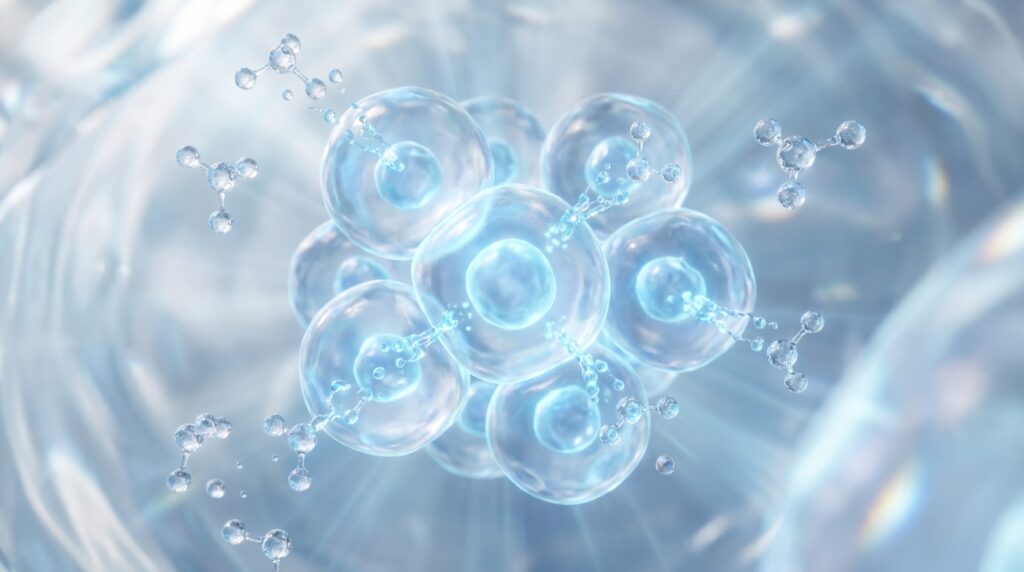
Here is how it works, explained simply. In the lining of your small intestine, there is a transport protein called the SGLT1 cotransporter. Think of it as a small revolving door. Each time it turns, it moves sodium, a touch of glucose, and water together from your gut into your bloodstream.
This system is the same biological mechanism behind oral rehydration therapy, the treatment doctors around the world use to treat severe dehydration. According to research published by the Gatorade Sports Science Institute, sodium plays a key role in activating this transport system, which is why sodium-containing drinks often move fluid into the body more effectively than plain water alone.
Without enough sodium, this transport system slows down considerably. As a result, water sits in your gut longer than it should. Your kidneys then sense that nothing in your blood has changed, so they flush the extra fluid out as urine. In short, you drank a glass of water, yet your cells received very little of it.
Plain water is not useless. It clearly does something important. However, on its own, it is not always the most efficient way to hydrate, especially when your body has lost both fluid and minerals together, such as after exercise, illness, or a long night’s sleep.
According to Biology Insights, plain water lacks the sodium and glucose combination that activates SGLT1 most efficiently. Without that combination, absorption slows down, and a larger share of what you drink ends up being excreted rather than absorbed.
Fills your stomach
Hydrates your cells

Cellular dehydration rarely feels like the dramatic thirst you get after a workout in the sun. Instead, it shows up in quieter, more confusing ways. Because most people assume they are hydrated, they tend to look elsewhere for the cause.
A simple way to check : Drink a large glass of water and notice how you feel after ten minutes. If you feel noticeably better, you were likely just thirsty, and the water helped. If nothing changes, or you feel more bloated or still tired, the issue is probably not volume. It is more likely about transport, meaning your body needs minerals to actually use the water you are drinking.

Most people worry about not drinking enough water. Fewer people realize that drinking too much plain water, especially quickly, can create a different but equally real problem.
When you flood your system with plain water, you dilute the sodium already in your blood. According to the Cleveland Clinic, this drop in sodium causes water to move into your cells and make them swell. When this happens in the brain, the effects can be serious, including headache, confusion, and in severe cases, seizures.
A dangerous feedback loop
The symptoms of low blood sodium look almost identical to dehydration. Because of that, many people respond by drinking even more water, which only makes things worse. The fix is not less water on its own. Instead, it is adding electrolytes, mainly sodium, to restore the balance. This explains why marathon runners sometimes collapse mid-race even though they drank plenty of fluids. According to AARP, a study of Boston Marathon runners found that a significant number had abnormally low blood sodium at the finish line, caused by overhydration rather than dehydration.
You do not need to be running a marathon for this to matter. Office workers who sip water constantly without any sodium intake can experience the same dilution effect, just more slowly and less severely.
mmol/L is the lower limit for normal blood sodium, according to Cleveland Clinic
Minutes for electrolytes to begin entering the bloodstream under good conditions
Of the brain is water, making it highly sensitive to sodium changes
Now that you understand what is happening, the fix becomes clear. True hydration depends on two things working together: water, and the minerals that help your body actually use it.
The three minerals that make water work
Why the morning matters most
Overnight, you lose close to a liter of fluid through breathing and perspiration. By the time you wake up, your stomach is empty, and the SGLT1 transport system is ready to work at full efficiency. Nothing else is competing for absorption yet, which makes the first hour after waking the single best window to hydrate properly.
The practical takeaway
You probably do not need to drink less water. Instead, you need to make the water you drink actually count. Adding a small, balanced amount of sodium, potassium, and magnesium to your morning water turns it from something your body mostly flushes out into something your cells can genuinely use.
Hydration is about more than the amount of water you drink. It depends on the minerals that help your body absorb and utilize that water effectively.
Ki combines two natural mineral salts sourced from the Sea of Japan and ancient European rock formations. Every batch is filtered to 0.5 microns to remove microplastics, then left exactly as nature intended.
No sugar. No flavors. No unnecessary additives.
Just naturally occurring sodium, potassium, and magnesium in a balanced ratio designed to support efficient hydration from the very first sip.
Drinking water simply means fluid is in your stomach. Being hydrated means that fluid has actually reached your cells. Sodium is what activates the transport system that moves water from your gut into your bloodstream and then into cells. Without enough sodium, a large portion of the water you drink passes through your body and gets excreted instead of absorbed, which means you can drink plenty of water and still not be properly hydrated.
This usually points to cellular dehydration rather than a lack of fluid intake. Fatigue and brain fog often appear when sodium and magnesium levels run low, since these minerals support energy production and proper water transport into cells. Oddly enough, drinking even more plain water can sometimes make this worse, because it can further dilute the sodium already in your blood.
Yes, in large amounts over a short period. According to the Cleveland Clinic, drinking too much water can dilute the sodium in your blood, causing water to move into your cells and make them swell. Symptoms include headache, nausea, confusion, and muscle cramps. This is most common among endurance athletes who drink large volumes of water without replacing the sodium they lose through sweat.
Sodium activates a transport system in your small intestine called the SGLT1 cotransporter. This system moves sodium, water, and a small amount of glucose from your gut into your bloodstream together. Without enough sodium present, this transport process slows down considerably, and more of the water you drink stays in your gut instead of reaching your bloodstream and cells.
For most people, yes. Water with a balanced amount of electrolytes tends to be absorbed and retained more effectively than plain water alone. This matters most in the morning, after exercise, or during illness, when your body has lost both fluid and minerals at the same time. In everyday situations with no significant fluid loss, plain water is usually still a fine choice.
Ki Electrolytes. 2 ingredients. 1.5g per serving. No sachets. No microplastics. Built for the morning moment that sets up everything else.