microplastics

Four Problems. No Brand Addressed Any of Them.
Until Ki.

Problem 1

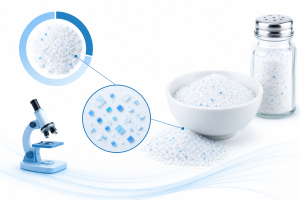
The Ingredients

94% of commercial salts contain microplastics averaging 140 particles per
kilogram, including polyethylene, polypropylene, and PET. (Karbalaei et al.,
Scientific Reports, 2019.)

Problem 2

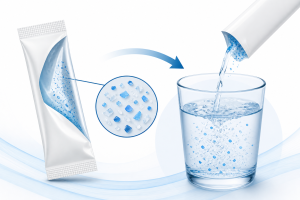
The Sachet Lining

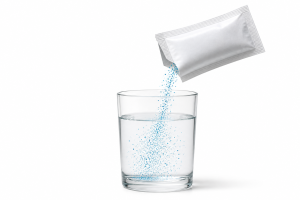
The interior of every standard sachet is a plastic polymer film. When liquid is
added, microplastic particles leach directly into the drink.

Problem3

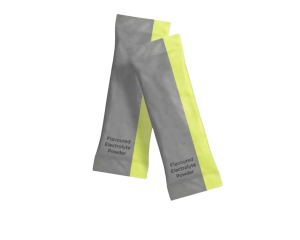
The Tear

The interior of every standard sachet is a plastic polymer film. When liquid is
added, microplastic particles leach directly into the drink.

Problem4

The Packaging

Two sachets a day generates 730 pieces of unrecyclable plastic per year. Each
piece breaks down into the microplastics contaminating tomorrow’s salt.

What the Research Shows

Brain microplastic concentration increased by approximately 50% between 2016 and 2024, indicating a significant and measurable rise over time, while studies also found that the brains of individuals diagnosed with dementia contained roughly three to five times more microplastic materialcompared to those of healthy individuals, suggesting a strong and concerning difference in accumulation levels between the two groups (Nihart et al., Nature Medicine, 2025).


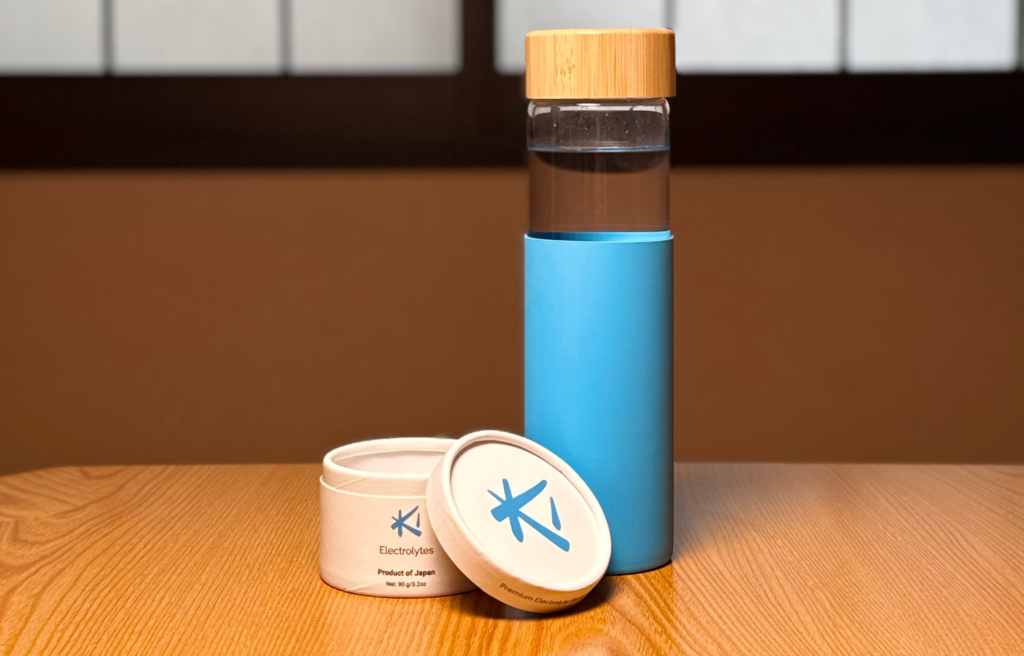
Ki’s Solution

Ingredients: sourced from the Sea of Japan and ancient European rock formations, processed through a proprietary microplastic removal method developed in Japan.Packaging: an eco-friendly paper cylinder with no polymer lining. Nothing to leach. Nothing to tear. 97% less packaging waste than a 30 -sachet supply.