



Water-Hydration?-ElectrolytesCategoriesWellness

Why Sleep Alone Can’t Fix Your Mornings

Why Sleep Alone Can’t Fix Your Mornings

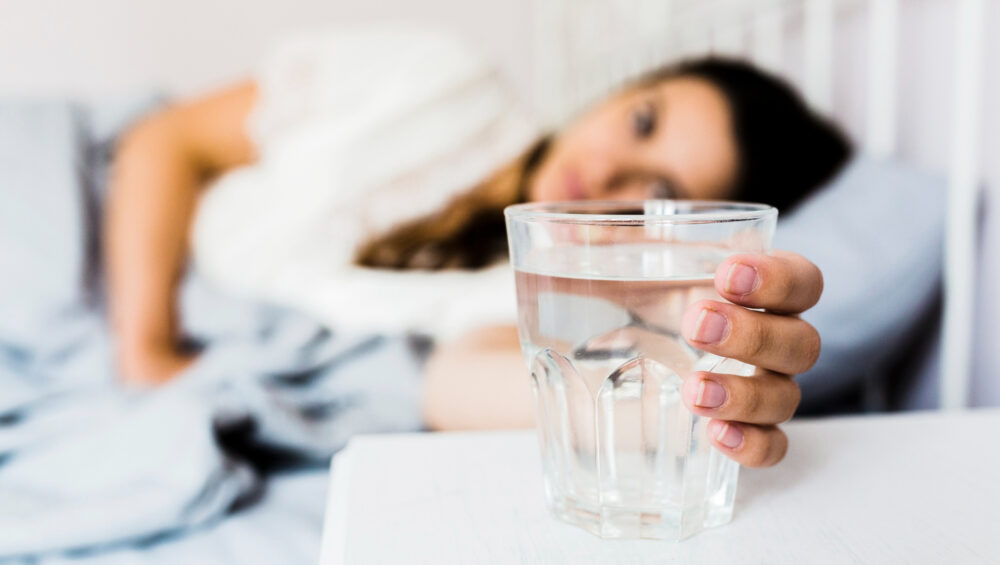
morning fog
Freepik

Why Sleep Alone Can’t Fix Your Mornings (and what to do in the first 60 minutes)
If you wake up tired after 8 hours of sleep, you’re not broken — and you’re not “just not a morning person.” Sleep is powerful, but it has a ceiling. It can’t replace what you lose overnight.

In plain terms:

  • Morning rehydration is the second charge (replacing the fluid and electrolytes you lose overnight so your brain can actually run).

If you wake up with brain fog, low motivation, or a “coffee-before-I’m-human” feeling, there’s a good chance you’re starting the day mildly dehydrated and low on electrolytes — and sleep can’t fix that by itself.

Most people wake up down up to ~1 liter of fluid from overnight losses. If you simply replace what you lost (ideally with electrolytes, not just water), your morning focus and energy often shift dramatically  without changing anything about your sleep.

Quick answer: why you wake up tired even after good sleep

Most people can lose up to ~1 liter of fluid overnight through breathing, perspiration, and ongoing metabolism. Then many people compound that deficit in the first hour with bathroom breaks — you’re literally losing more water before you’ve replaced what you lost.

When you wake up:

  • Blood volume is lower
  • You’re starting the day at a measurable deficit
  • Your brain is trying to boot up while under-resourced

Even mild dehydration (around 1–2%) has been associated with measurable decreases in attention and working memory.

What happens to your body while you sleep (and why mornings feel worse)

eightsleep
Freepik

During sleep, your body is still working:

  • You keep breathing (water loss through respiration)
  • You sweat (even if you don’t feel hot)
  • Your brain runs overnight maintenance processes

So you wake up depleted ,not sick, just underfilled.

This is why the first hour after waking is such a high-leverage window: you’re fasted, depleted, and primed to absorb. Miss this window and your brain spends the first part of your workday trying to recover from a deficit while also performing.

The real cost of the morning deficit (for focus, mood, and performance)

sleep deprivation
Image : Freepik

Mild dehydration rarely feels like an emergency. It feels like:

  • Slow-loading brain
  • More effort to concentrate
  • Lower stress tolerance
  • “I need coffee” urgency

For knowledge workers, that’s not a small problem. It’s a daily performance tax.

What mild dehydration can do to your brain

When you’re underhydrated, the first things to degrade are often the exact functions you’re paid for:

  • Working memory (holding information while reasoning)
  • Executive function (planning, judgment, staying strategic)
  • Mood and emotional regulation (higher perceived stress, more reactive)

Why water alone often doesn’t fix morning brain fog

Hydration-matters-water
Image : Freepik

A natural question is: can’t I just drink a big glass of water when I wake up? It helps  but water alone often doesn’t fully solve the problem, because hydration isn’t only a volume problem.

Hydration is a transport problem. Water moves efficiently from your gut into your bloodstream and then into cells when key electrolytes especially sodium are present.

Without adequate electrolytes, water may pass through quickly, and you can end up feeling like you’re drinking plenty while still not feeling charged.

Your brain runs on electricity (electrolytes are the medium)
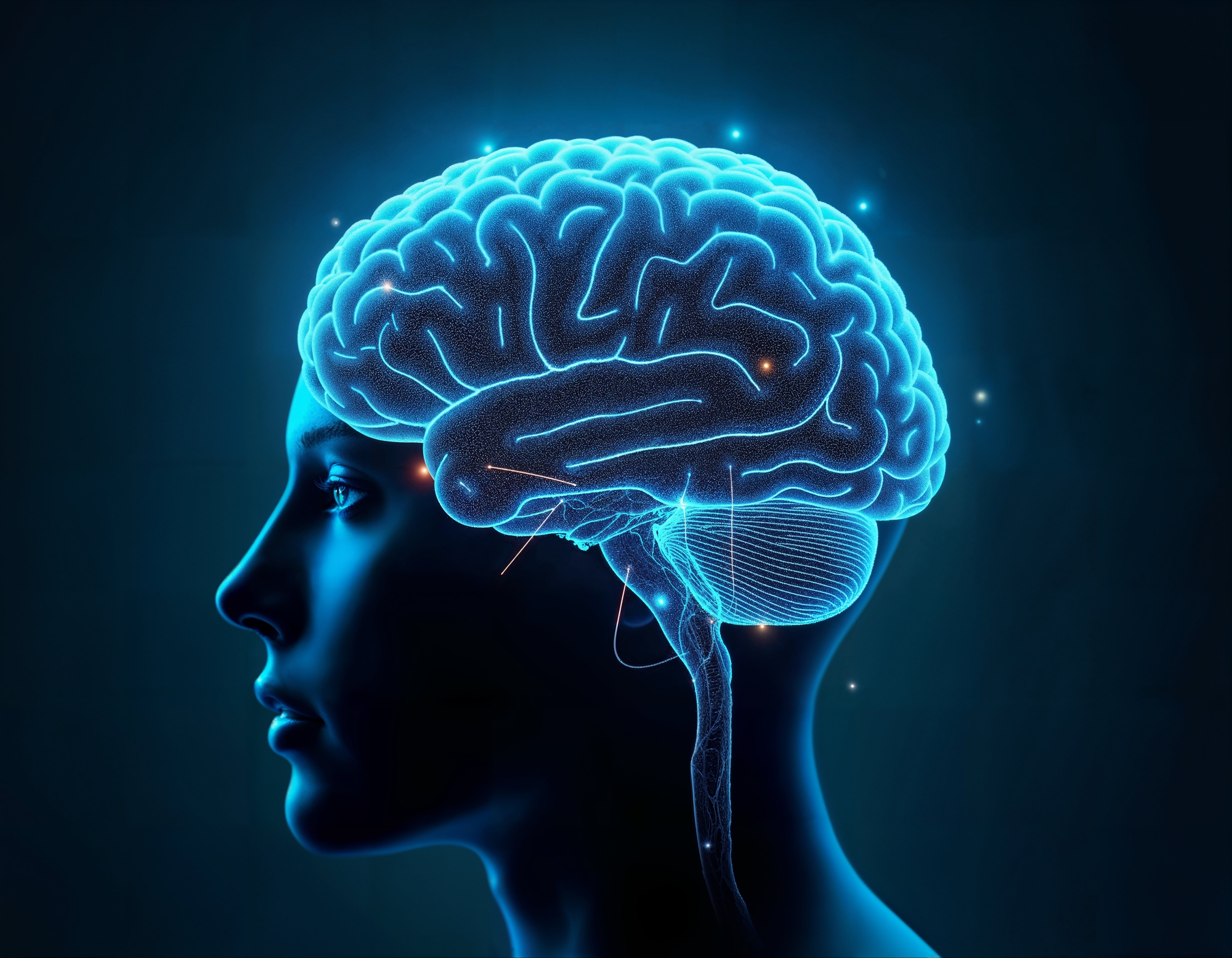
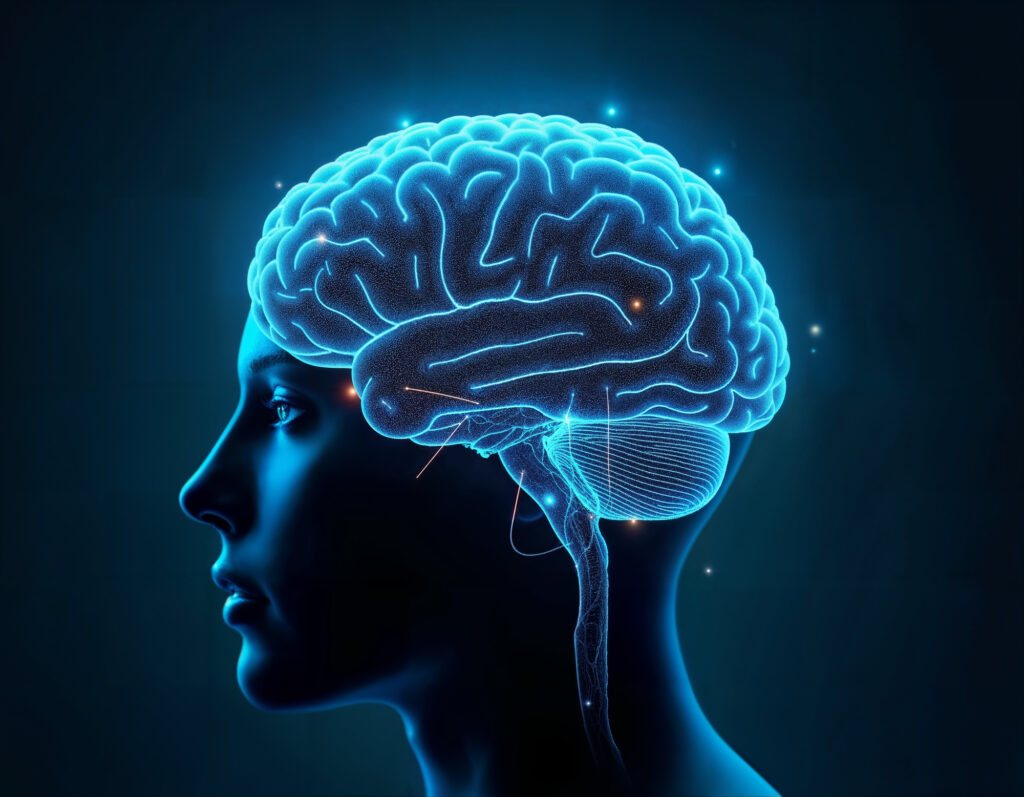
brain runs on electricity
Image : Freepik

Every thought is a signal. Signals require gradients of charged ions across cell membranes.Those ions are electrolytes. They work as a system.

The minerals your brain needs most

  • Sodium supports fluid balance and efficient water uptake into the bloodstream.
  • Potassium supports intracellular signaling and helps maintain the electrical potential across cell membranes.
  • Magnesium is involved in hundreds of processes tied to energy production, stress regulation, and neurotransmitter function.

When those inputs are low, the brain doesn’t run on empty. It runs with friction.

The cortisol timing problem (and why coffee-first morning’s backfire)

Cortisol naturally peaks 30 to 60 minutes after waking. This is healthy – it’s your body’s built-in activation system.

But if you’re dehydrated at that moment, the peak can feel more spiky. And if you stack coffee on top – before rehydration, you’re adding stimulation to a substrate that isn’t fully restored.

That’s one reason coffee can feel like it works fast and then you hit a late-morning or 3pm crash.

The simplest solution: replace what you lose (every morning)

If you want one clean mental model, use this:

  • You lose up to ~1 liter overnight.
  • So replace ~1 liter in the first hour.

Not someday. Not when you remember. Every day.
Consistency is the whole point. Daily optimal hydration compounds, improving how you feel short-term, and supporting better long-term outcomes.

The 2-step morning protocol (the second charge)
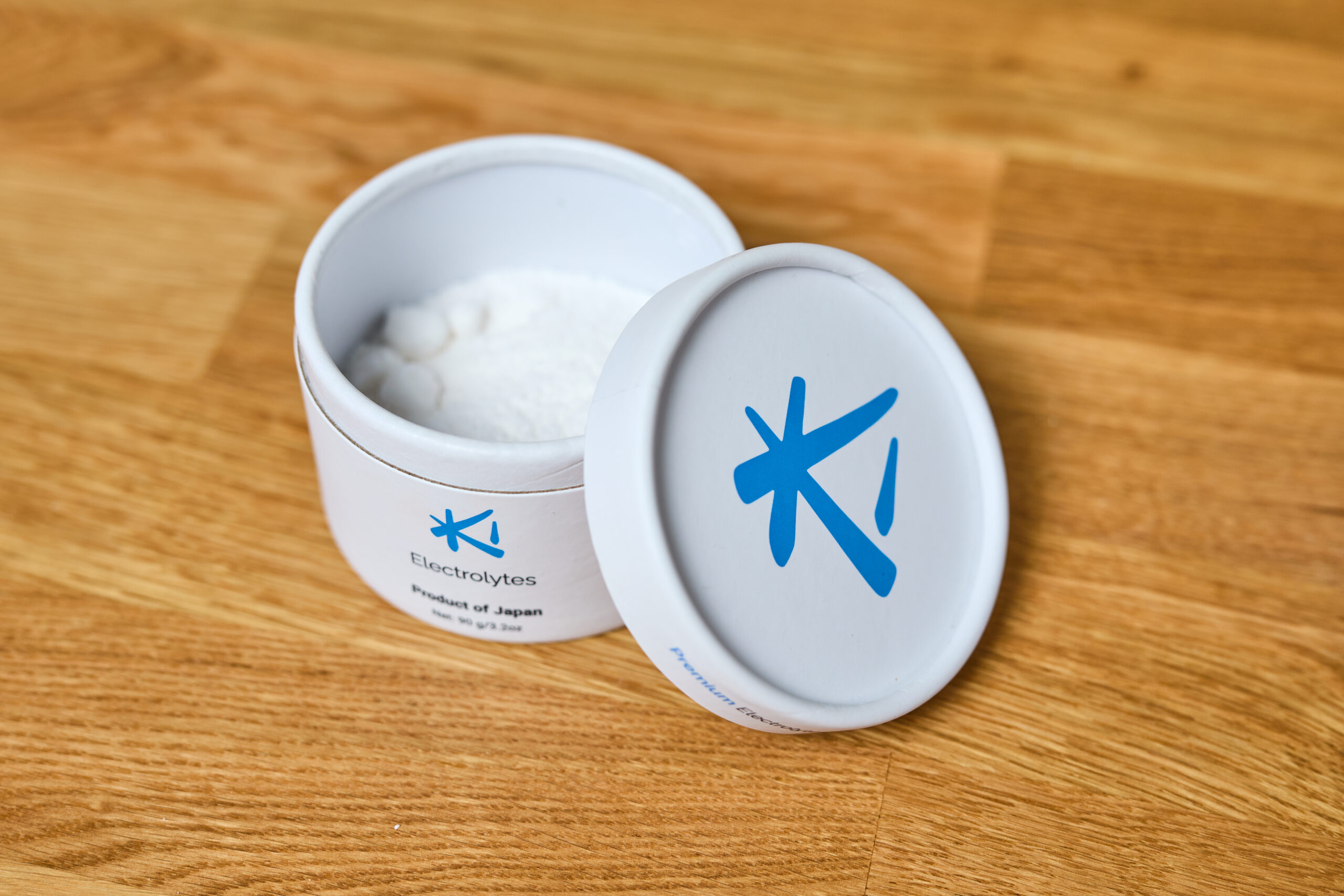
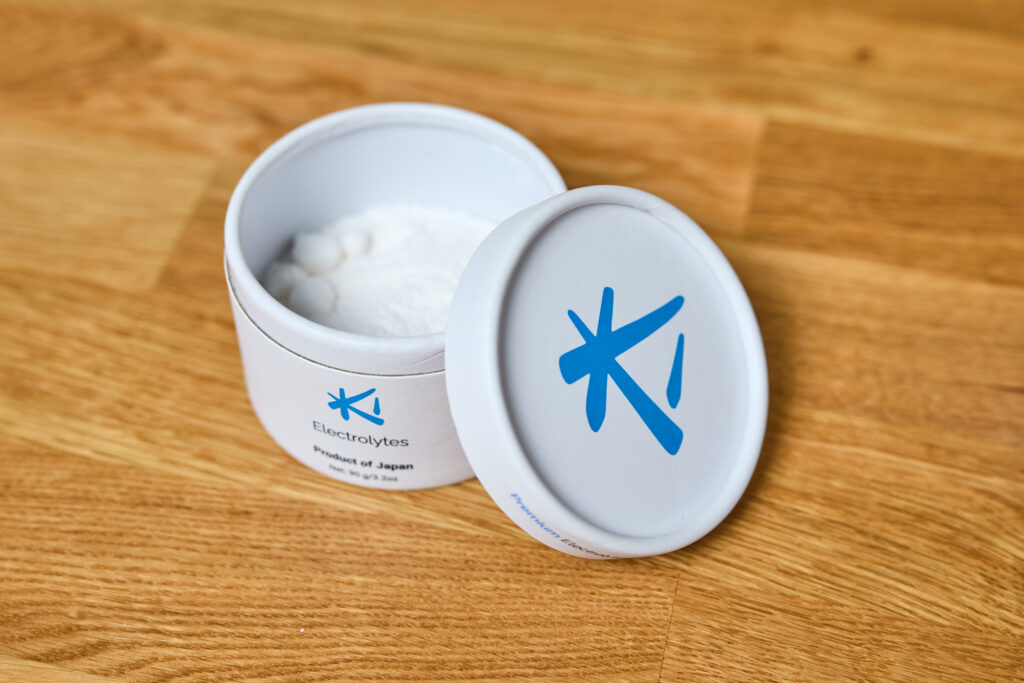
Ki-Electrolytes
Image : Freepik

A natural question is: can’t I just drink a big glass of water when I wake up? It helps  but water alone often doesn’t fully solve the problem, because hydration isn’t only a volume problem.

Hydration is a transport problem. Water moves efficiently from your gut into your bloodstream and then into cells when key electrolytes especially sodium are present.

Without adequate electrolytes, water may pass through quickly, and you can end up feeling like you’re drinking plenty while still not feeling charged.

7-day experiment (track this like a performance upgrade)

If you consistently wake up tired even after good sleep, try this for 7 days:

  • Hydrate with electrolytes in the first hour (aim for 32oz / ~1 liter)
  • Delay coffee until after the second step
  • Track: focus quality, mood and stress reactivity, and need for caffeine

Frequently asked questions

1. Why do I wake up tired even when I sleep 8 hours?

Because sleep restores many systems, but it doesn’t replace the fluid and electrolytes you lose overnight. Mild dehydration can reduce morning focus and energy even when sleep is good.

2. How much water do you lose overnight?

Most people lose up to ~1 liter through breathing and perspiration, depending on room temperature, airflow, alcohol intake, and individual physiology.

3. Does dehydration cause brain fog?

Mild dehydration has been associated with measurable changes in attention and working memory. Many people experience this as brain fog, slower thinking, or lower motivation.

4.Why do electrolytes help more than water?

Electrolytes, especially sodium, support fluid balance and help your body absorb and retain water more effectively.

5.Should I drink coffee first thing in the morning?

Many people do — but if you wake dehydrated, coffee-first can stack stimulation on top of your natural cortisol peak. Rehydrating first often creates a smoother energy curve.

6.What if I feel different in the first few days?

Some people notice a brief adjustment period in the first 48 to 72 hours when they start a consistent morning electrolyte protocol.

If you have been chronically dehydrated for years, three systems are recalibrating simultaneously: your gut microbiota, your intestinal fluid absorption capacity, and your body’s electrolyte-handling systems.

The result for some people is temporary mild bloating or a feeling of fullness. This is not a sign something is wrong. It is a sign your body is adjusting to managing the fluid volume it was always designed to handle.

Most people find it resolves by day three to five. The people who stay through that window consistently report that week two is when the shift becomes noticeable.
Start Sharp Tomorrow Morning

Ki Electrolytes. 2 ingredients. 1.5g per serving. No sachets. No microplastics. Built for the morning moment that sets up everything else.

Why Sleep Alone Can’t Fix Your Mornings

morning fog
Image : Freepik

Why Sleep Alone Can’t Fix Your Mornings (and what to do in the first 60 minutes)
If you wake up tired after 8 hours of sleep, you’re not broken — and you’re not “just not a morning person.” Sleep is powerful, but it has a ceiling. It can’t replace what you lose overnight.

In plain terms:

  • Morning rehydration is the second charge (replacing the fluid and electrolytes you lose overnight so your brain can actually run).

If you wake up with brain fog, low motivation, or a “coffee-before-I’m-human” feeling, there’s a good chance you’re starting the day mildly dehydrated and low on electrolytes — and sleep can’t fix that by itself.

Most people wake up down up to ~1 liter of fluid from overnight losses. If you simply replace what you lost (ideally with electrolytes, not just water), your morning focus and energy often shift dramatically  without changing anything about your sleep.

Quick answer: why you wake up tired even after good sleep

Most people can lose up to ~1 liter of fluid overnight through breathing, perspiration, and ongoing metabolism. Then many people compound that deficit in the first hour with bathroom breaks — you’re literally losing more water before you’ve replaced what you lost.

When you wake up:

  • Blood volume is lower
  • You’re starting the day at a measurable deficit
  • Your brain is trying to boot up while under-resourced

Even mild dehydration (around 1–2%) has been associated with measurable decreases in attention and working memory.

What happens to your body while you sleep (and why mornings feel worse)

eightsleep
Image : Freepik

During sleep, your body is still working:

  • You keep breathing (water loss through respiration)
  • You sweat (even if you don’t feel hot)
  • Your brain runs overnight maintenance processes

So you wake up depleted ,not sick, just underfilled.

This is why the first hour after waking is such a high-leverage window: you’re fasted, depleted, and primed to absorb. Miss this window and your brain spends the first part of your workday trying to recover from a deficit while also performing.

The real cost of the morning deficit (for focus, mood, and performance)

sleep deprivation
Image : Freepik

Mild dehydration rarely feels like an emergency. It feels like:

  • Slow-loading brain
  • More effort to concentrate
  • Lower stress tolerance
  • “I need coffee” urgency

For knowledge workers, that’s not a small problem. It’s a daily performance tax.

What mild dehydration can do to your brain

When you’re underhydrated, the first things to degrade are often the exact functions you’re paid for:

  • Working memory (holding information while reasoning)
  • Executive function (planning, judgment, staying strategic)
  • Mood and emotional regulation (higher perceived stress, more reactive)

Why water alone often doesn’t fix morning brain fog

Hydration-matters-water
Image : Freepik

A natural question is: can’t I just drink a big glass of water when I wake up? It helps  but water alone often doesn’t fully solve the problem, because hydration isn’t only a volume problem.

Hydration is a transport problem. Water moves efficiently from your gut into your bloodstream and then into cells when key electrolytes especially sodium are present.

Without adequate electrolytes, water may pass through quickly, and you can end up feeling like you’re drinking plenty while still not feeling charged.

Your brain runs on electricity (electrolytes are the medium)

brain runs on electricity
Image : Freepik

Every thought is a signal. Signals require gradients of charged ions across cell membranes.Those ions are electrolytes. They work as a system.

The minerals your brain needs most

  • Sodium supports fluid balance and efficient water uptake into the bloodstream.
  • Potassium supports intracellular signaling and helps maintain the electrical potential across cell membranes.
  • Magnesium is involved in hundreds of processes tied to energy production, stress regulation, and neurotransmitter function.

When those inputs are low, the brain doesn’t run on empty. It runs with friction.

The cortisol timing problem (and why coffee-first morning’s backfire)

Cortisol naturally peaks 30 to 60 minutes after waking. This is healthy – it’s your body’s built-in activation system.

But if you’re dehydrated at that moment, the peak can feel more spiky. And if you stack coffee on top – before rehydration, you’re adding stimulation to a substrate that isn’t fully restored.

That’s one reason coffee can feel like it works fast and then you hit a late-morning or 3pm crash.

The simplest solution: replace what you lose (every morning)

If you want one clean mental model, use this:

  • You lose up to ~1 liter overnight.
  • So replace ~1 liter in the first hour.

Not someday. Not when you remember. Every day.
Consistency is the whole point. Daily optimal hydration compounds, improving how you feel short-term, and supporting better long-term outcomes.

The 2-step morning protocol (the second charge)

Ki-Electrolytes

Use a two-step protocol in the first hour after waking:

Together that’s 32oz total — roughly 1 liter — which matches the typical range of what most people lose over a night of sleep.

This pattern is designed to:

  • Replace overnight losses
  • Improve water delivery, not just water intake
  • Create a built-in window before coffee so your natural cortisol peak can complete

7-day experiment (track this like a performance upgrade)

If you consistently wake up tired even after good sleep, try this for 7 days:

  • Hydrate with electrolytes in the first hour (aim for 32oz / ~1 liter)
  • Delay coffee until after the second step
  • Track: focus quality, mood and stress reactivity, and need for caffeine

FAQ

Why do I wake up tired even when I sleep 8 hours?

Because sleep restores many systems, but it doesn’t replace the fluid and electrolytes you lose overnight. Mild dehydration can reduce morning focus and energy even when sleep is good.

How much water do you lose overnight?

Most people lose up to ~1 liter through breathing and perspiration, depending on room temperature, airflow, alcohol intake, and individual physiology.

Does dehydration cause brain fog?

Mild dehydration has been associated with measurable changes in attention and working memory. Many people experience this as brain fog, slower thinking, or lower motivation.

Why do electrolytes help more than water?

Electrolytes, especially sodium, support fluid balance and help your body absorb and retain water more effectively.

Should I drink coffee first thing in the morning?

Many people do — but if you wake dehydrated, coffee-first can stack stimulation on top of your natural cortisol peak. Rehydrating first often creates a smoother energy curve.

What if I feel different in the first few days?

Some people notice a brief adjustment period in the first 48 to 72 hours when they start a consistent morning electrolyte protocol.

If you have been chronically dehydrated for years, three systems are recalibrating simultaneously: your gut microbiota, your intestinal fluid absorption capacity, and your body’s electrolyte-handling systems.

The result for some people is temporary mild bloating or a feeling of fullness. This is not a sign something is wrong. It is a sign your body is adjusting to managing the fluid volume it was always designed to handle.

Most people find it resolves by day three to five. The people who stay through that window consistently report that week two is when the shift becomes noticeable.
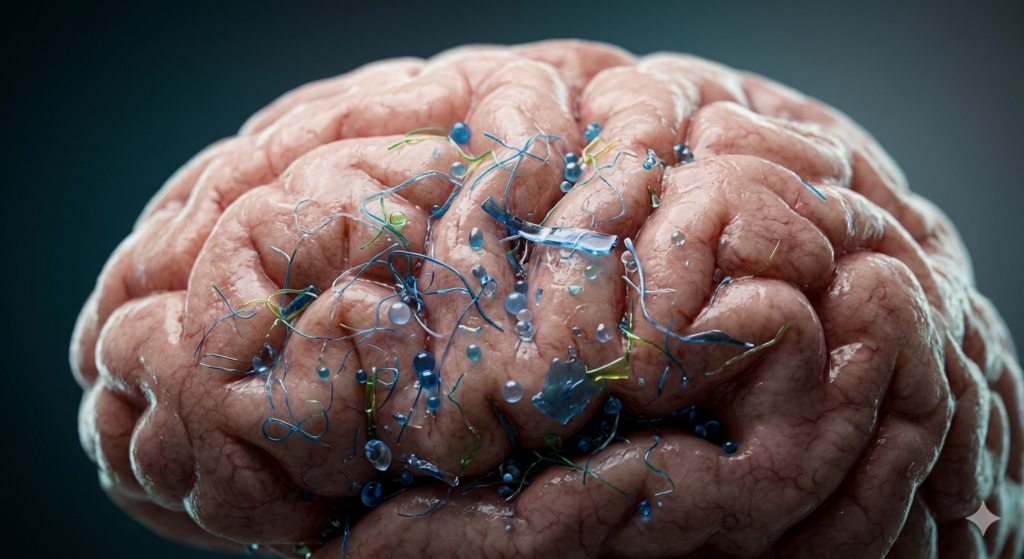
 

How do microplastics reach the brain?CategoriesWellness

How Microplastics Affect Your Brain and Cognitive Performance

How Microplastics Affect Your Brain and Cognitive Performance

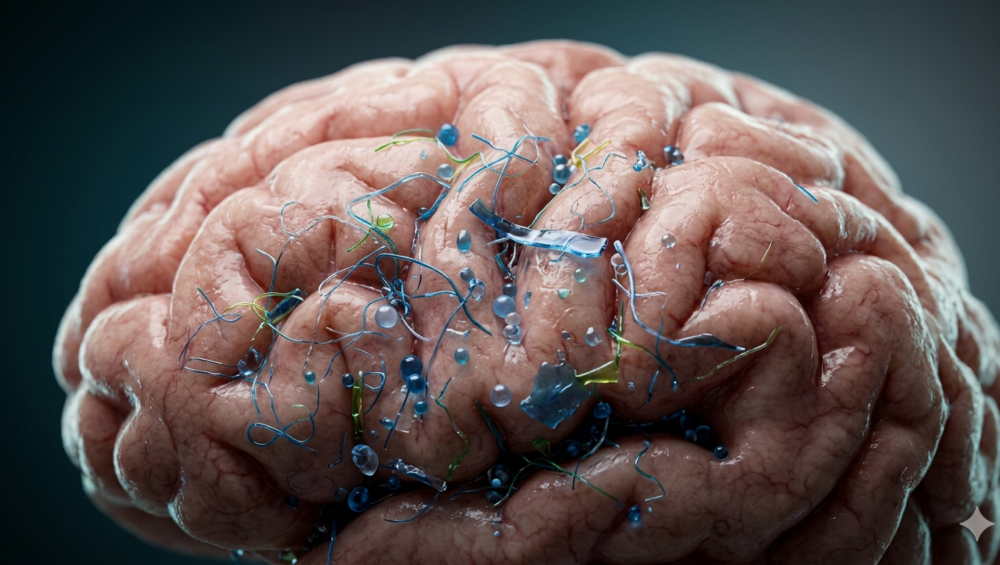
Microplastics have been found in human brain tissue. Here is what the science actually says about how they may impact your focus, memory, and mental clarity, and what it means for every product you use to hydrate.

How Microplastics Affect Your Brain

What are microplastics?

Microplastics are tiny plastic particles smaller than 5 millimetres, roughly the size of a sesame seed or smaller. They form when larger plastic products, bottles, bags, and packaging, break down over time due to sunlight, heat, and friction.They are now found almost everywhere: in oceans, soil, drinking water, food, and perhaps most alarmingly, inside the human body.

Key Fact
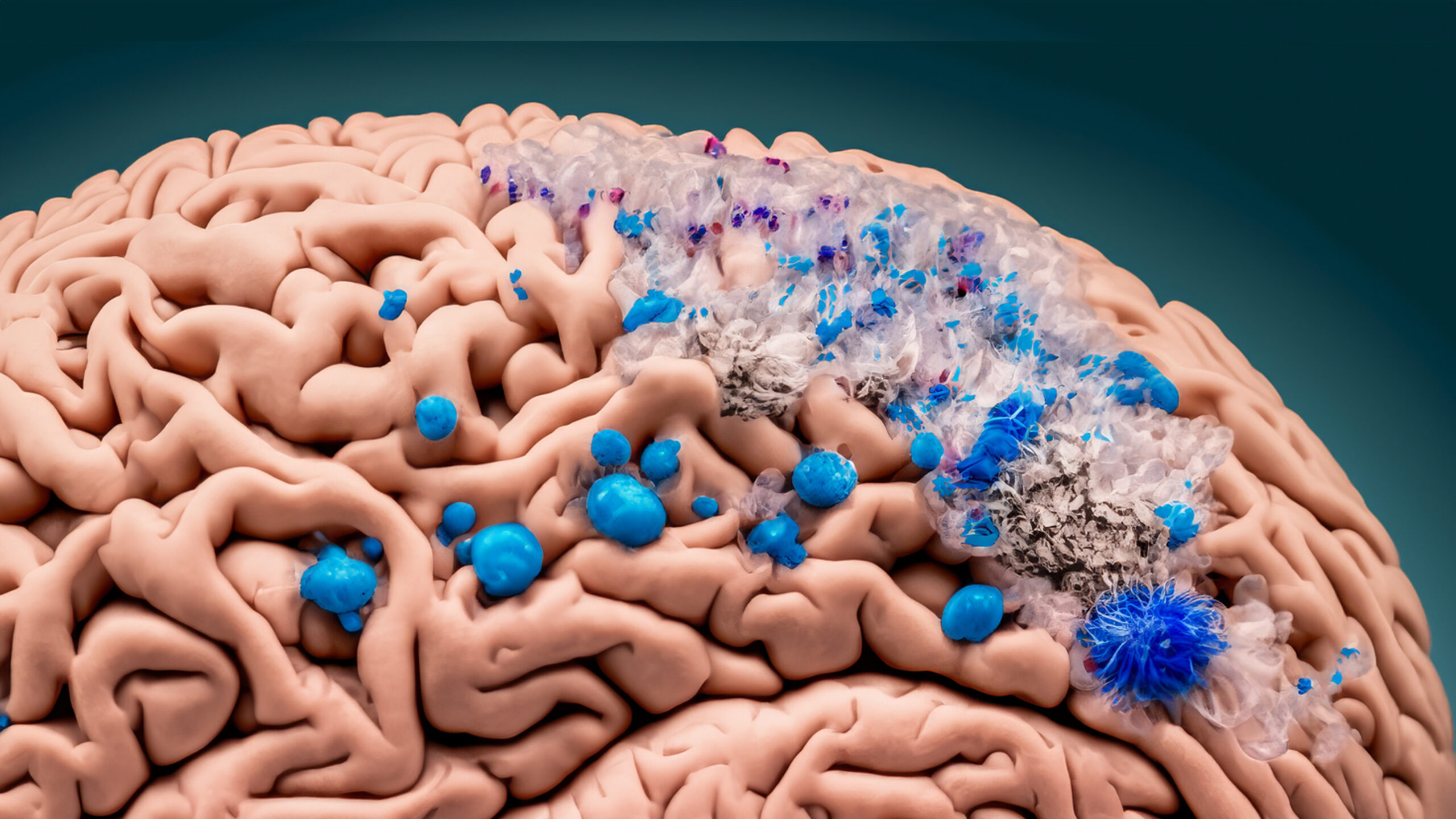
A 2024 study published in Nature Medicine found microplastics in human brain tissue samples. The concentration in brain tissue was higher than in other organs like the kidney or liver.

How do microplastics reach the brain?

How do microplastics reach the brain?

Your body takes in microplastics through three main routes every day:

Drinking water. Both tap and bottled water contain measurable levels of microplastic particles. One study found an average of 325 particles per litre in bottled water.

Food. Seafood, sea salt, packaged foods, and drinks stored in plastic containers all contribute to daily intake.

Breathing. Airborne plastic fibres from clothing, furniture, and packaging float in indoor and outdoor air and are inhaled throughout the day.

This hidden deficit holds back entrepreneurs, executives, and high performers every single day. The good news: it’s one of the simplest performance problems to solve and Ki was built specifically to fix it.

Expert context:
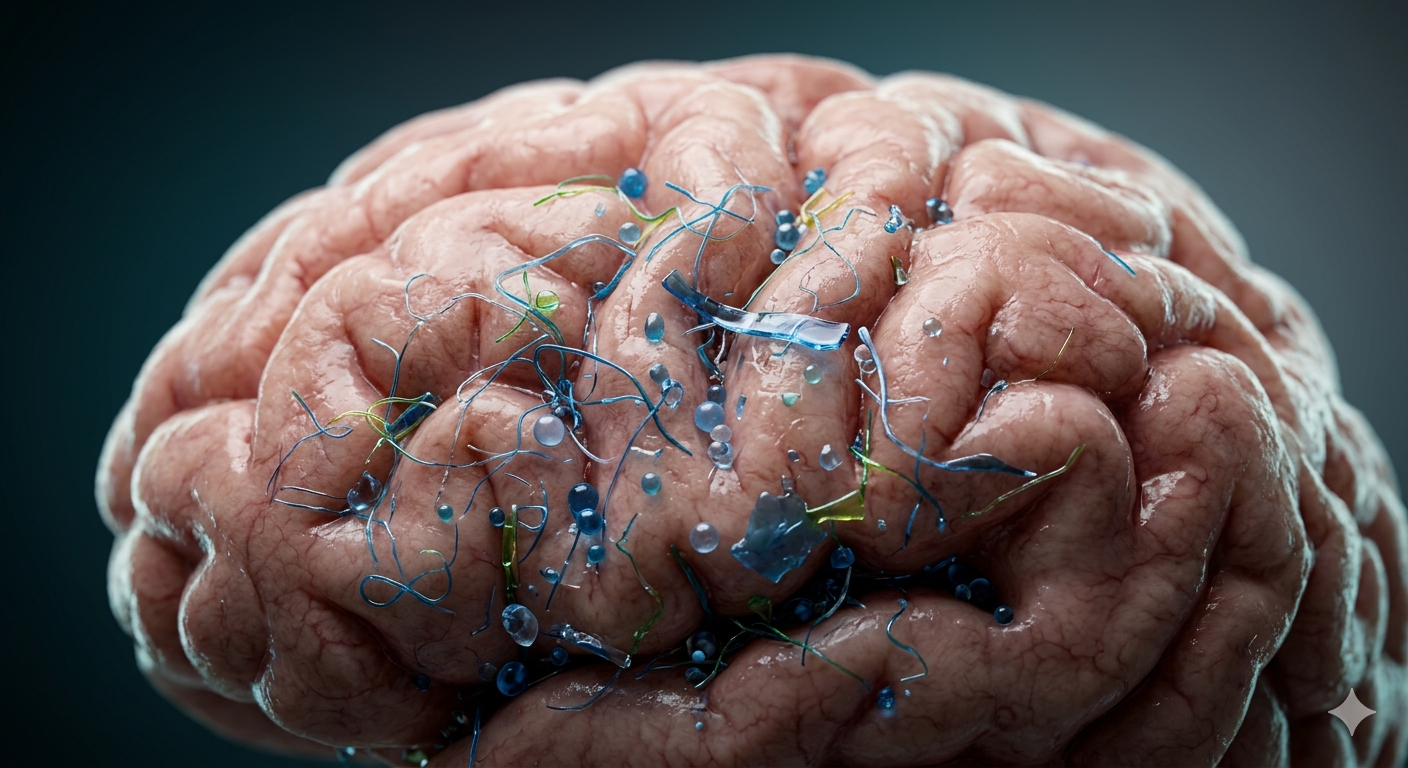
Once microplastics enter the bloodstream, the smallest particles, nanoplastics under 1 micron, are small enough to cross the blood-brain barrier, the protective filter that normally keeps harmful substances away from brain cells.

How do they affect cognitive performance?

Micro plastics effects on cognitive performance
Image : Freepik

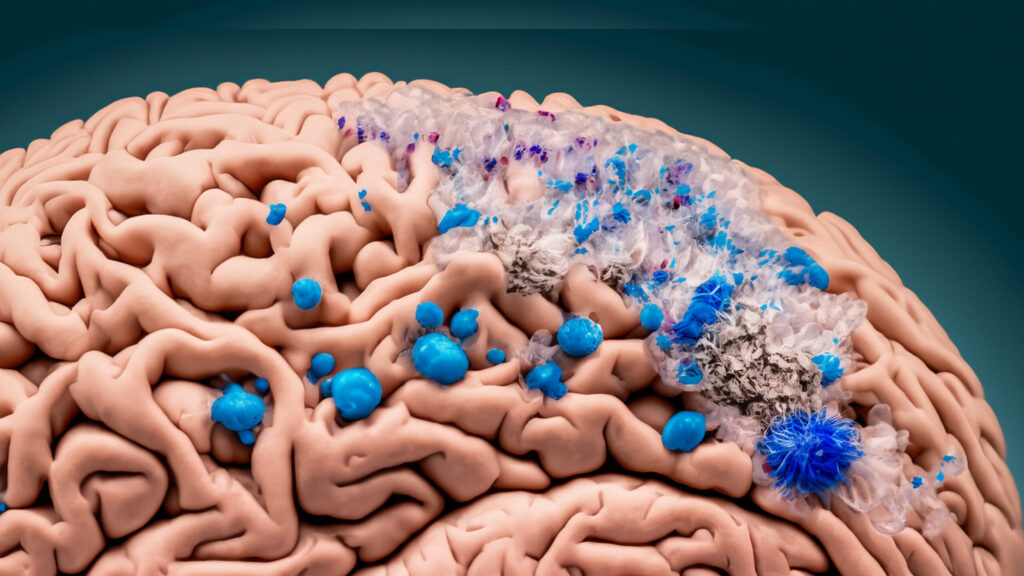
Research is still ongoing, but early laboratory and animal studies point to three main mechanisms by which microplastics may interfere with how the brain works:

Neuroinflammation
Microplastics trigger inflammatory responses in brain tissue. Chronic low-level inflammation in the brain is linked to slower cognitive processing, brain fog, and long-term neurodegenerative risk. This is confirmed in research, not an emerging hypothesis.

Oxidative stress
The particles may disrupt the balance of free radicals and antioxidants in brain cells. This kind of cellular stress is known to damage neurons over time and impair memory and learning.

Disruption of neural signaling
Some plastic chemicals, including those that leach off microplastic particles, are known endocrine disruptors. These can interfere with the hormones and neurotransmitters involved in focus, mood, and memory.

Confirmed:
Nanoplastics have been detected in human brain tissue. Microplastic concentration in the brain increased 50% between 2016 and 2024. Dementia-affected brains contain three to five times more microplastic accumulation than healthy brains.

Signs you might notice

Microplastics-How-it-can-effects-to-your-brain
Image : Freepik

Microplastic accumulation does not cause sudden, obvious symptoms. Effects build gradually and are often mistaken for stress, pMioor sleep, or aging. Watch for,

Brain fog
Difficulty thinking clearly or finding the right words.

Reduced focus
Struggling to concentrate on demanding tasks.

Mental fatigue
Tiring faster than usual during cognitive work.

Slow processing
Feeling generally sluggish or mentally slow.

These effects are subtle. But for anyone doing high-stakes work, making decisions, leading teams, producing creative output, even a small drop in mental performance compounds over time. For knowledge workers and executives, this is not a wellness concern. It is a performance concern.

The hidden problem in hydration products

Good hydration directly supports brain function. Even mild dehydration, just 1 to 2% fluid loss, has been shown to impair short-term memory, attention, and processing speed.

Electrolytes make hydration more effective by helping water absorb properly and supporting nerve cell signalling. But here is a problem most people miss entirely.

The electrolyte category has three separate microplastic contamination points. Most brands have never addressed any of them.

Problem 1. The ingredients are already contaminated.

94% of commercial salts test positive for microplastics, averaging 140 particles per kilogram. This includes sea salt, rock salt, and table salt. The raw materials arrive contaminated before a single sachet is filled.What most people do not know: Himalayan pink salt, the ingredient many premium electrolyte brands market as their purity credential, is actually the most microplastic-contaminated salt type of all. At 174 particles per kilogram, it carries more microplastic contamination than any other commercial salt. The hand-mined, ancient pink crystal marketed as the clean alternative is, by the research, the most contaminated option on the shelf.

Problem 2. The sachet leaches microplastics into the powder during storage.

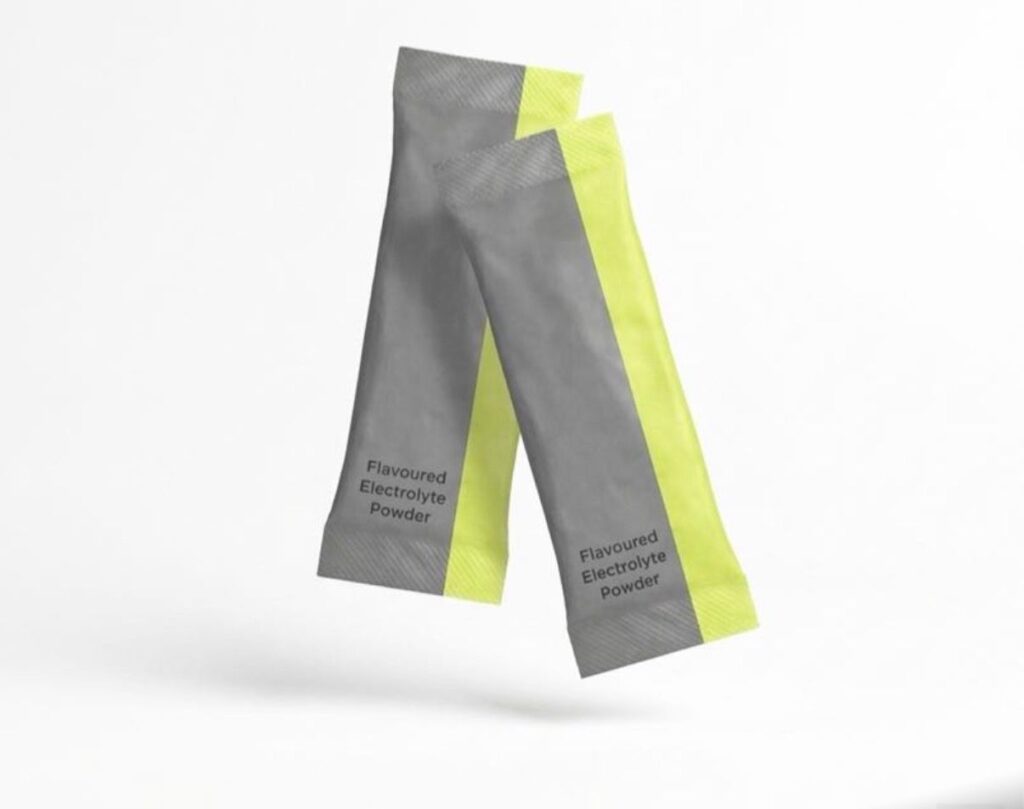
Most commercial electrolyte sachets are made from multilayer plastic film. PET, polyethylene, and foil laminates. During room-temperature storage and shipping, the plastic lining sheds microplastic particles directly into the powder. The product is accumulating contamination before it even reaches youResearch found that room-temperature storage in plastic pouches can release millions to billions of microplastic and nanoplastic particles into the contents over time. Polyethylene-based pouches, the most common sachet material, released more particles than any other type tested.

Problem 3. Tearing the sachet open releases fresh microplastics at the point of use.

This is the contamination point no one talks about. When you tear open a plastic sachet, the mechanical stress of tearing generates a new release of microplastic fragments, directly into the powder at the exact moment of use.A peer-reviewed study confirmed that tearing plastic packaging by hand generates between 0.46 and 250 new microplastic particles per centimeter of plastic torn. Those particles go into the powder. You mix it into water. You drink them too.

Three contamination points. Three peer-reviewed studies. All of them happen before a single sip. A product designed to support your performance may be simultaneously introducing the very contaminants that work against it.

This is why ingredient sourcing, manufacturing process, and packaging material matter as much as the formula itself.

Practical steps to reduce your microplastic exposure

You cannot eliminate all microplastic exposure. But you can meaningfully reduce your daily intake with a few consistent choices, starting with what you drink every morning.

Filter your water
Use a filter rated for particles under 1 micron. Standard carbon filters do not remove microplastics. Reverse osmosis or sub-micron systems are the most effective.

Switch to glass or stainless steel bottles
Plastic bottles shed microplastics into water, especially in heat. Glass and stainless steel eliminate this entirely.

Avoid heated plastic food containers
Heat accelerates plastic breakdown. Avoid microwaving food in plastic or wrapping warm food in clingfilm.

Choose hydration products without plastic sachets
Single-use electrolyte sachets shed microplastics during storage and when opened. Look for products in reusable, plastic-free packaging with clean, tested mineral sources and a documented microplastic removal process.

Build a consistent morning hydration habit
Hydrating immediately after waking, before coffee, restores the 0.5  to 1 liter of fluid lost overnight and primes the brain for the day. Sleep is the first charge. Hydration is the second. Consistency matters more than intensity.

Ki Electrolytes – Hydration designed for the brain

Ki-Hydration-solution

Ki (気) is a Japanese-crafted morning electrolyte ritual built around a single discovery: the body loses approximately one litre of fluid every night, and replacing it with electrolytes within the first hour of waking transforms how you think, feel, and perform for the rest of the day.The name Ki, the Japanese concept of life force and vital energy, names precisely what the protocol restores. Not borrowed energy like coffee. Not a stimulant that masks a deficit. The actual electrochemical substrate the brain runs on, replaced before the first demand of the day is placed on it.

The two-charge framework

Sleep is the first charge. It handles cellular repair, neural consolidation, and hormonal reset. But while the body rests, it simultaneously loses 0.5 to 1 litre of fluid and the electrolytes it needs to conduct its own electricity. Sleep cannot fix this because fluid and electrolyte restoration require a separate act.

Water and electrolytes are the second charge. The ion concentrations required to fire neurons, sustain attention, and run the sodium-potassium pump have been depleted overnight. Ki restores them, two steps, 16oz upon waking, 16oz 45 minutes later, before the first demand of the day.

Sleep is the first charge. Ki is the second. Most people have only ever done one of them.

What’s inside Ki

Two ingredients. That is the entire formula.

  • Deep-sea marine minerals from the Sea of Japan
  • Ancient European rock salt

No sugar. No sweeteners. No flavorings. No fillers. Just two minerals, sustainably refined, in natural balance. The formula mirrors the body’s own mineral ratios rather than adding synthetic compounds on top of them.

Why it’s different

Microplastic-removed. Filtered using a proprietary 0.5-micron process developed in Ki’s Japanese manufacturing facility. 0.5 micron is smaller than most commercial filtration systems go, and smaller than the nano plastic particles confirmed to cross the blood-brain barrier. The ingredients are cleaned before anything is packaged.

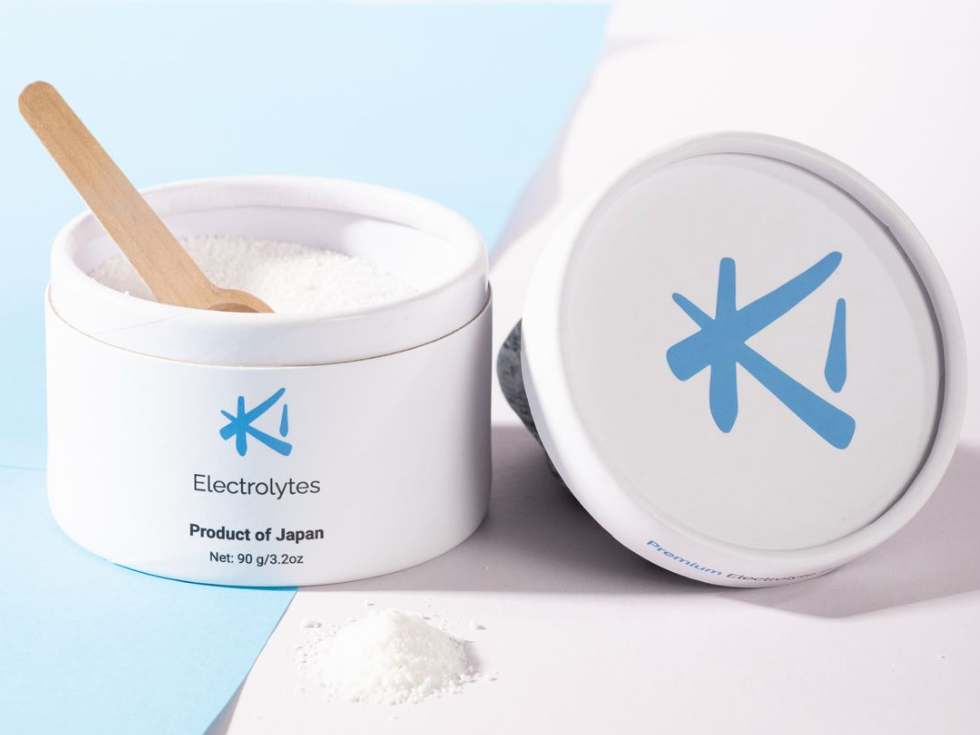
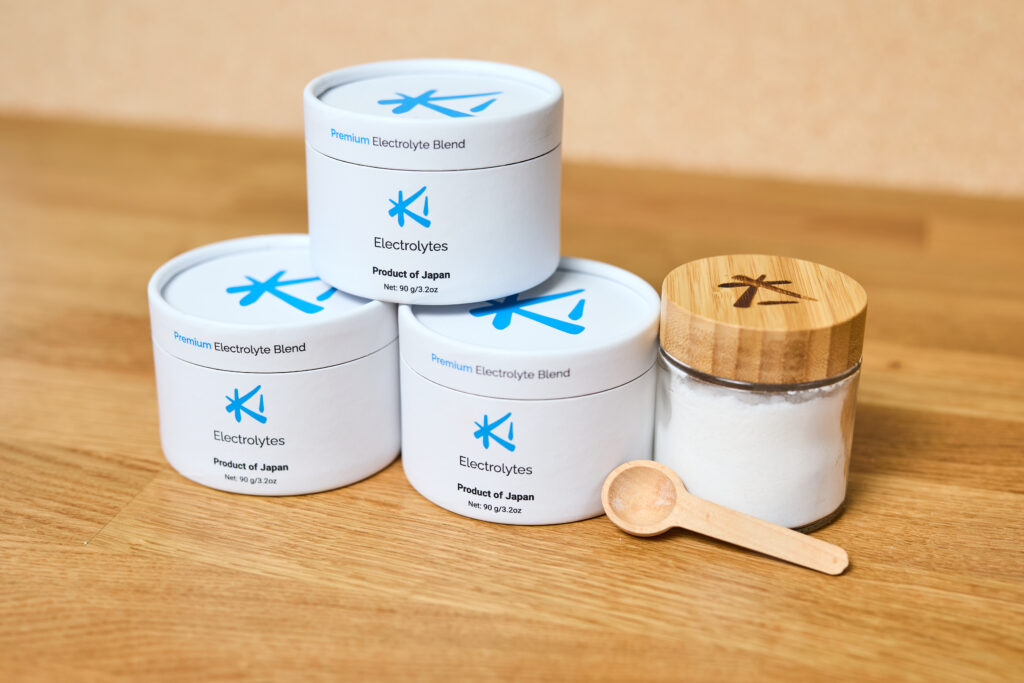
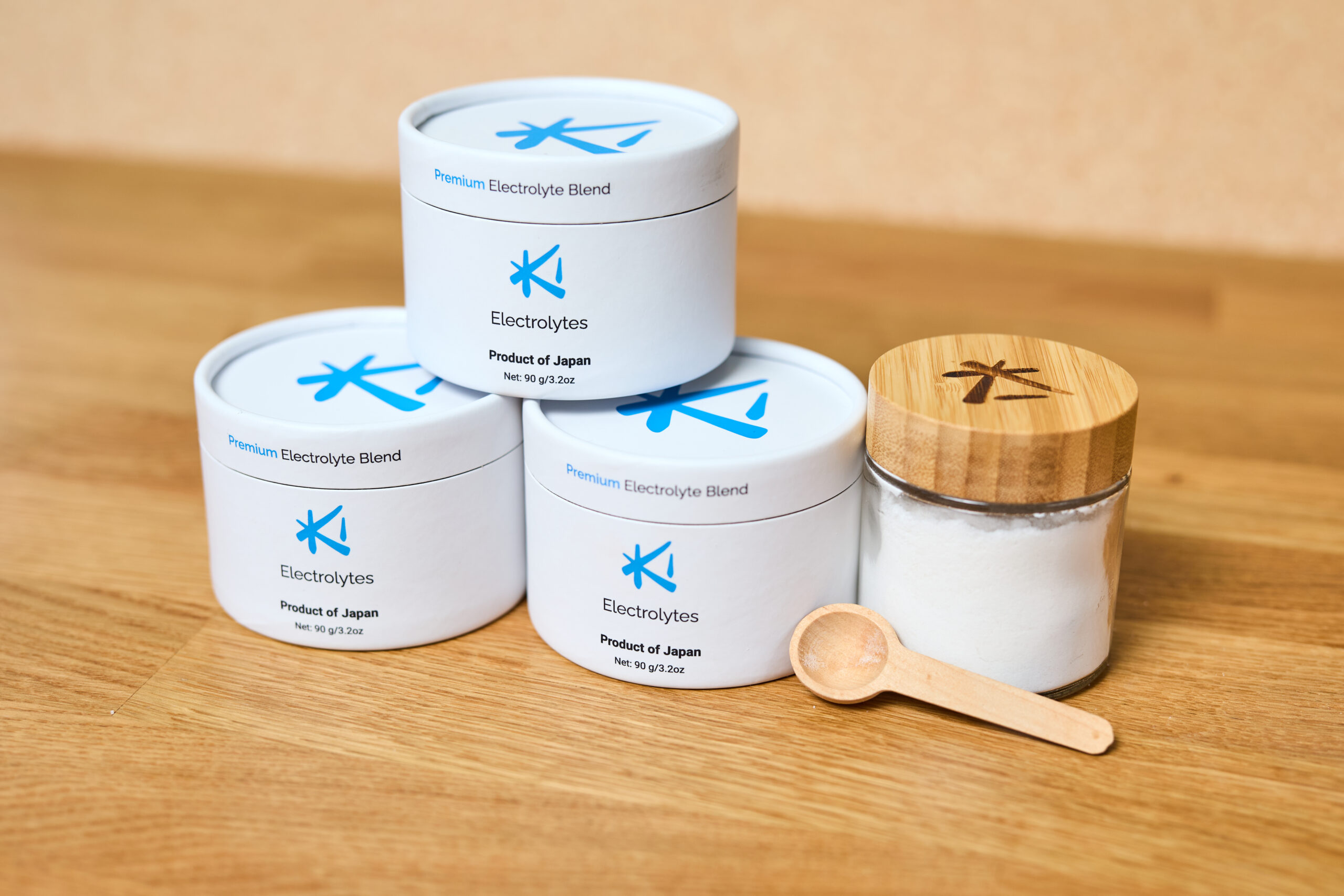
No single-use plastic packaging. Ki comes in a paper cylinder with a wooden spoon. No sachets. No plastic lining leaching into the formula during storage. No plastic packaging torn open at the point of use. 60 servings per cylinder, zero single-use plastic waste. Every sip with Ki wakes up the brain while protecting the planet.

Crafted in Japan. Every Ki cylinder is produced in a certified Japanese manufacturing facility. Japan’s manufacturing precision and the cultural philosophy of kaizen, continuous refinement toward the ideal, is embedded in every batch. The scientific heritage and the product share the same address.

Built around ritual. Inspired by Japanese practices of mindful morning hydration. Timing and intention before stimulation. The Ki Hydration Rituals™ protocol is two steps, completed at home before coffee, before anything. Ki is not designed to be carried around like a sachet torn open at the gym. It is a home ritual, done intentionally, done daily.

Rare mineral sources. Ocean minerals from Japan. Ancient rock minerals from Europe. Two continents. One clean formula. Both sources chosen specifically because they are not among the 94% of commercial salts that test positive for microplastics.

Ki is built for

  • Morning ritual. Before coffee, restore overnight fluid loss and set a calm cognitive baseline.
  • Deep work. Maintain focus and steady energy during extended mental work sessions.
  • Zero sugar and zero calories. Sustained energy without breaking a fast.
  • Frequent travel. Airline cabins run at 10 to 20% humidity. On a 10-hour flight a passenger loses up to 2 liters of water passively. Ki travels in your carry-on as a cylinder. The morning ritual works identically in every hotel room, in every time zone, before every high-stakes meeting.
  • Senior wellness. A simple two-step protocol that replaces reliance on thirst as a trigger, for the 1 in 4 adults over 65 who are clinically dehydrated.

The Ki Hydration Rituals™

Hydrate with Ki shortly after waking, before coffee or stimulation, to restore the fluid and electrolytes lost during sleep and set the tone for the day. 16oz upon waking. 16oz 45 minutes later. Simple by design. Sustainable by habit.

Frequently asked questions

1. Are microplastics in the brain proven to cause harm in humans?

Research is still ongoing. Microplastics have been confirmed in human brain tissue, and animal and cell studies show mechanisms for harm. Long-term human studies are underway but not yet complete. Current evidence is concerning enough that reducing exposure is considered reasonable precaution by many researchers.

2. How many microplastics does the average person consume?

Estimates vary, but research suggests the average person ingests between 74,000 and 121,000 microplastic particles per year through food, water, and air. People who drink primarily bottled water may ingest significantly more

3. Can the body remove microplastics?

Larger particles can be expelled through normal digestive processes. However, nano plastics that cross into the bloodstream or brain are not readily cleared by the body. This is why minimizing ongoing intake is the most practical strategy.

4.Does a standard water filter remove microplastics?

It depends on the filter. Standard carbon filters reduce some contaminants but are not rated for microplastics. Reverse osmosis systems and filters with sub-micron ratings under 1 micron are more effective at removing microplastic particles.

5.What makes Ki different from other electrolyte products?

Three things no other brand addresses simultaneously. First, Ki uses a proprietary 0.5-micron microplastic removal process developed in Japan to clean the ingredients themselves, addressing contamination at the source. Second, Ki uses a paper cylinder with a wooden spoon, eliminating the single-use plastic sachet that leaches microplastics during storage and generates fresh contamination when torn open. Third, Ki’s two-ingredient formula contains no additives, sweeteners, fillers, or synthetic isolates. Just two pure natural minerals in the ratio the body actually needs.

Start Sharp Tomorrow Morning

Ki Electrolytes. 2 ingredients. 1.5g per serving. No sachets. No microplastics. Built for the morning moment that sets up everything else.

How Microplastics Affect Your Brain and Cognitive Performance


Microplastics have been found in human brain tissue. Here is what the science actually says about how they may impact your focus, memory, and mental clarity, and what it means for every product you use to hydrate.

How Microplastics Affect Your Brain

What are microplastics?


Microplastics are tiny plastic particles smaller than 5 millimetres, roughly the size of a sesame seed or smaller. They form when larger plastic products, bottles, bags, and packaging, break down over time due to sunlight, heat, and friction.They are now found almost everywhere: in oceans, soil, drinking water, food, and perhaps most alarmingly, inside the human body.

Key Fact
A 2024 study published in Nature Medicine found microplastics in human brain tissue samples. The concentration in brain tissue was higher than in other organs like the kidney or liver.

How do microplastics reach the brain?

How do microplastics reach the brain?


Your body takes in microplastics through three main routes every day:

Drinking water. Both tap and bottled water contain measurable levels of microplastic particles. One study found an average of 325 particles per litre in bottled water.

Food. Seafood, sea salt, packaged foods, and drinks stored in plastic containers all contribute to daily intake.

Breathing. Airborne plastic fibres from clothing, furniture, and packaging float in indoor and outdoor air and are inhaled throughout the day.


Expert context:
Once microplastics enter the bloodstream, the smallest particles, nanoplastics under 1 micron, are small enough to cross the blood-brain barrier, the protective filter that normally keeps harmful substances away from brain cells.


How do they affect cognitive performance?

Micro plastics effects on cognitive performance
Image : Freepik


Research is still ongoing, but early laboratory and animal studies point to three main mechanisms by which microplastics may interfere with how the brain works:

Neuroinflammation
Microplastics trigger inflammatory responses in brain tissue. Chronic low-level inflammation in the brain is linked to slower cognitive processing, brain fog, and long-term neurodegenerative risk. This is confirmed in research, not an emerging hypothesis.

Oxidative stress
The particles may disrupt the balance of free radicals and antioxidants in brain cells. This kind of cellular stress is known to damage neurons over time and impair memory and learning.

Disruption of neural signaling
Some plastic chemicals, including those that leach off microplastic particles, are known endocrine disruptors. These can interfere with the hormones and neurotransmitters involved in focus, mood, and memory.

Confirmed:
Nanoplastics have been detected in human brain tissue. Microplastic concentration in the brain increased 50% between 2016 and 2024. Dementia-affected brains contain three to five times more microplastic accumulation than healthy brains.

Signs you might notice

Microplastics-How-it-can-effects-to-your-brain
Image : Freepik


Microplastic accumulation does not cause sudden, obvious symptoms. Effects build gradually and are often mistaken for stress, pMioor sleep, or aging. Watch for,

Brain fog
Difficulty thinking clearly or finding the right words.

Reduced focus
Struggling to concentrate on demanding tasks.

Mental fatigue
Tiring faster than usual during cognitive work.

Slow processing
Feeling generally sluggish or mentally slow.

These effects are subtle. But for anyone doing high-stakes work, making decisions, leading teams, producing creative output, even a small drop in mental performance compounds over time. For knowledge workers and executives, this is not a wellness concern. It is a performance concern.


The hidden problem in hydration products

The hidden problem in hydration products
Image : Freepik


Good hydration directly supports brain function. Even mild dehydration, just 1 to 2% fluid loss, has been shown to impair short-term memory, attention, and processing speed.

Electrolytes make hydration more effective by helping water absorb properly and supporting nerve cell signalling. But here is a problem most people miss entirely.

The electrolyte category has three separate microplastic contamination points. Most brands have never addressed any of them.

Problem 1. The ingredients are already contaminated.

94% of commercial salts test positive for microplastics, averaging 140 particles per kilogram. This includes sea salt, rock salt, and table salt. The raw materials arrive contaminated before a single sachet is filled.What most people do not know: Himalayan pink salt, the ingredient many premium electrolyte brands market as their purity credential, is actually the most microplastic-contaminated salt type of all. At 174 particles per kilogram, it carries more microplastic contamination than any other commercial salt. The hand-mined, ancient pink crystal marketed as the clean alternative is, by the research, the most contaminated option on the shelf.

Problem 2. The sachet leaches microplastics into the powder during storage.

Most commercial electrolyte sachets are made from multilayer plastic film. PET, polyethylene, and foil laminates. During room-temperature storage and shipping, the plastic lining sheds microplastic particles directly into the powder. The product is accumulating contamination before it even reaches youResearch found that room-temperature storage in plastic pouches can release millions to billions of microplastic and nanoplastic particles into the contents over time. Polyethylene-based pouches, the most common sachet material, released more particles than any other type tested.

Problem 3. Tearing the sachet open releases fresh microplastics at the point of use.

This is the contamination point no one talks about. When you tear open a plastic sachet, the mechanical stress of tearing generates a new release of microplastic fragments, directly into the powder at the exact moment of use.A peer-reviewed study confirmed that tearing plastic packaging by hand generates between 0.46 and 250 new microplastic particles per centimeter of plastic torn. Those particles go into the powder. You mix it into water. You drink them too.

Three contamination points. Three peer-reviewed studies. All of them happen before a single sip. A product designed to support your performance may be simultaneously introducing the very contaminants that work against it.


This is why ingredient sourcing, manufacturing process, and packaging material matter as much as the formula itself.


Practical steps to reduce your microplastic exposure

You cannot eliminate all microplastic exposure. But you can meaningfully reduce your daily intake with a few consistent choices, starting with what you drink every morning.

Filter your water
Use a filter rated for particles under 1 micron. Standard carbon filters do not remove microplastics. Reverse osmosis or sub-micron systems are the most effective.

Switch to glass or stainless steel bottles
Plastic bottles shed microplastics into water, especially in heat. Glass and stainless steel eliminate this entirely.

Avoid heated plastic food containers
Heat accelerates plastic breakdown. Avoid microwaving food in plastic or wrapping warm food in clingfilm.

Choose hydration products without plastic sachets
Single-use electrolyte sachets shed microplastics during storage and when opened. Look for products in reusable, plastic-free packaging with clean, tested mineral sources and a documented microplastic removal process.

Build a consistent morning hydration habit
Hydrating immediately after waking, before coffee, restores the 0.5  to 1 liter of fluid lost overnight and primes the brain for the day. Sleep is the first charge. Hydration is the second. Consistency matters more than intensity.

Ki Electrolytes – Hydration designed for the brain

Ki-Hydration-solution

Ki (気) is a Japanese-crafted morning electrolyte ritual built around a single discovery: the body loses approximately one litre of fluid every night, and replacing it with electrolytes within the first hour of waking transforms how you think, feel, and perform for the rest of the day.The name Ki, the Japanese concept of life force and vital energy, names precisely what the protocol restores. Not borrowed energy like coffee. Not a stimulant that masks a deficit. The actual electrochemical substrate the brain runs on, replaced before the first demand of the day is placed on it.

The two-charge framework

Sleep is the first charge. It handles cellular repair, neural consolidation, and hormonal reset. But while the body rests, it simultaneously loses 0.5 to 1 litre of fluid and the electrolytes it needs to conduct its own electricity. Sleep cannot fix this because fluid and electrolyte restoration require a separate act.

Water and electrolytes are the second charge. The ion concentrations required to fire neurons, sustain attention, and run the sodium-potassium pump have been depleted overnight. Ki restores them, two steps, 16oz upon waking, 16oz 45 minutes later, before the first demand of the day.

Sleep is the first charge. Ki is the second. Most people have only ever done one of them.

What’s inside Ki

Two ingredients. That is the entire formula.

  • Deep-sea marine minerals from the Sea of Japan
  • Ancient European rock salt

No sugar. No sweeteners. No flavorings. No fillers. Just two minerals, sustainably refined, in natural balance. The formula mirrors the body’s own mineral ratios rather than adding synthetic compounds on top of them.

Why it’s different


Microplastic-removed. Filtered using a proprietary 0.5-micron process developed in Ki’s Japanese manufacturing facility. 0.5 micron is smaller than most commercial filtration systems go, and smaller than the nano plastic particles confirmed to cross the blood-brain barrier. The ingredients are cleaned before anything is packaged.

No single-use plastic packaging. Ki comes in a paper cylinder with a wooden spoon. No sachets. No plastic lining leaching into the formula during storage. No plastic packaging torn open at the point of use. 60 servings per cylinder, zero single-use plastic waste. Every sip with Ki wakes up the brain while protecting the planet.

Crafted in Japan. Every Ki cylinder is produced in a certified Japanese manufacturing facility. Japan’s manufacturing precision and the cultural philosophy of kaizen, continuous refinement toward the ideal, is embedded in every batch. The scientific heritage and the product share the same address.

Built around ritual. Inspired by Japanese practices of mindful morning hydration. Timing and intention before stimulation. The Ki Hydration Rituals™ protocol is two steps, completed at home before coffee, before anything. Ki is not designed to be carried around like a sachet torn open at the gym. It is a home ritual, done intentionally, done daily.

Rare mineral sources. Ocean minerals from Japan. Ancient rock minerals from Europe. Two continents. One clean formula. Both sources chosen specifically because they are not among the 94% of commercial salts that test positive for microplastics.

Ki is built for


  • Morning ritual. Before coffee, restore overnight fluid loss and set a calm cognitive baseline.
  • Deep work. Maintain focus and steady energy during extended mental work sessions.
  • Zero sugar and zero calories. Sustained energy without breaking a fast.
  • Frequent travel. Airline cabins run at 10 to 20% humidity. On a 10-hour flight a passenger loses up to 2 liters of water passively. Ki travels in your carry-on as a cylinder. The morning ritual works identically in every hotel room, in every time zone, before every high-stakes meeting.
  • Senior wellness. A simple two-step protocol that replaces reliance on thirst as a trigger, for the 1 in 4 adults over 65 who are clinically dehydrated.

The Ki Hydration Rituals™

Hydrate with Ki shortly after waking, before coffee or stimulation, to restore the fluid and electrolytes lost during sleep and set the tone for the day. 16oz upon waking. 16oz 45 minutes later. Simple by design. Sustainable by habit.


Frequently asked questions


1.Are microplastics in the brain proven to cause harm in humans?

Research is still ongoing. Microplastics have been confirmed in human brain tissue, and animal and cell studies show mechanisms for harm. Long-term human studies are underway but not yet complete. Current evidence is concerning enough that reducing exposure is considered reasonable precaution by many researchers.

2.How many microplastics does the average person consume?

Estimates vary, but research suggests the average person ingests between 74,000 and 121,000 microplastic particles per year through food, water, and air. People who drink primarily bottled water may ingest significantly more

3.Can the body remove microplastics?

Larger particles can be expelled through normal digestive processes. However, nano plastics that cross into the bloodstream or brain are not readily cleared by the body. This is why minimizing ongoing intake is the most practical strategy.

4.Does a standard water filter remove microplastics?

It depends on the filter. Standard carbon filters reduce some contaminants but are not rated for microplastics. Reverse osmosis systems and filters with sub-micron ratings under 1 micron are more effective at removing microplastic particles.

5.What makes Ki different from other electrolyte products?

Three things no other brand addresses simultaneously. First, Ki uses a proprietary 0.5-micron microplastic removal process developed in Japan to clean the ingredients themselves, addressing contamination at the source. Second, Ki uses a paper cylinder with a wooden spoon, eliminating the single-use plastic sachet that leaches microplastics during storage and generates fresh contamination when torn open. Third, Ki’s two-ingredient formula contains no additives, sweeteners, fillers, or synthetic isolates. Just two pure natural minerals in the ratio the body actually needs.


What deficiency causes morning fatigue?CategoriesLifestyle

Why You Wake Up Tired ?

Dehydration Is Silently Draining You

Why most high performers wake up already behind and the simple morning ritual that changes everything.

Why You Wake Up Tired

Most people don’t wake up tired because they didn’t sleep enough. They wake up tired because they’re dehydrated.After 7–8 hours without water, your body is already running low on fluids. Even a 1–2% drop in hydration can impair focus, memory, and energy  cognitive effects that have been confirmed across 33 separate studies. And what do most people do first? Reach for coffee. Coffee doesn’t fix dehydration, I just mask it.

This hidden deficit holds back entrepreneurs, executives, and high performers every single day. The good news: it’s one of the simplest performance problems to solve and Ki was built specifically to fix it.

Why You Wake Up Tired
Image : Pexels

What Dehydration Actually Feels Like

Dehydration Actually Feels Like
Image : Pexels

Dehydration isn’t just thirst. Research shows it shows up in subtler ways that most people never connect to their fluid intake.

  • Brain fog
  • Headaches
  • Energy
  • Poor focus
  • Afternoon crashes
  • Muscle tightness
  • Irritability
  • Motivation
  • Dry skin
  • Caffeine reliance

Many people live with these symptoms daily never realising that hydration is the root cause.

Why Water Alone Isn’t Enough

Your body doesn’t absorb water efficiently on its own. It needs electrolytes  minerals like sodium, potassium, and magnesium  to actually use the water you drink.

Water-Hydration-Enough?
Image : Pexels

What are electrolytes?

Electrolytes are natural mineral salts your body depends on to regulate nerve signals, support muscle function, maintain fluid balance, and keep your brain communicating clearly. Without them, water passes through your system without being properly absorbed.

Centuries ago, people drank water naturally rich in these minerals from springs and rivers. Today, most tap and bottled water is heavily filtered  stripping those minerals in the process. That’s why many people remain under-hydrated even when they drink plenty of water.

The Morning Hydration Gap

When you wake up, your body has gone 7–8 hours without water. Breathing, sweating, and the lingering diuretic effects of caffeine or alcohol from the night before all compound that fluid loss.Yet most people check their phone, make coffee, and dive straight into work  all before drinking a single glass of water. This sets the stage for foggy thinking and low energy before the day has even begun.Most of us are, in effect, brain athletes we rely on sharp cognition, not just physical performance. And a dehydrated brain simply cannot fire at full capacity, no matter how talented or motivated the person behind it.

The Ki Morning Hydration Ritual

Ki-Electrolytes

Instead of playing catch-up all day, restore your electrolyte balance before the work begins. Ki Electrolytes was built for exactly this moment: 2 ingredients, 1.5g per serving, microplastic-free, designed to be taken the second you wake up.

THE KI MORNING RITUAL

Front-load your hydration

1. Within 30 minutes of waking
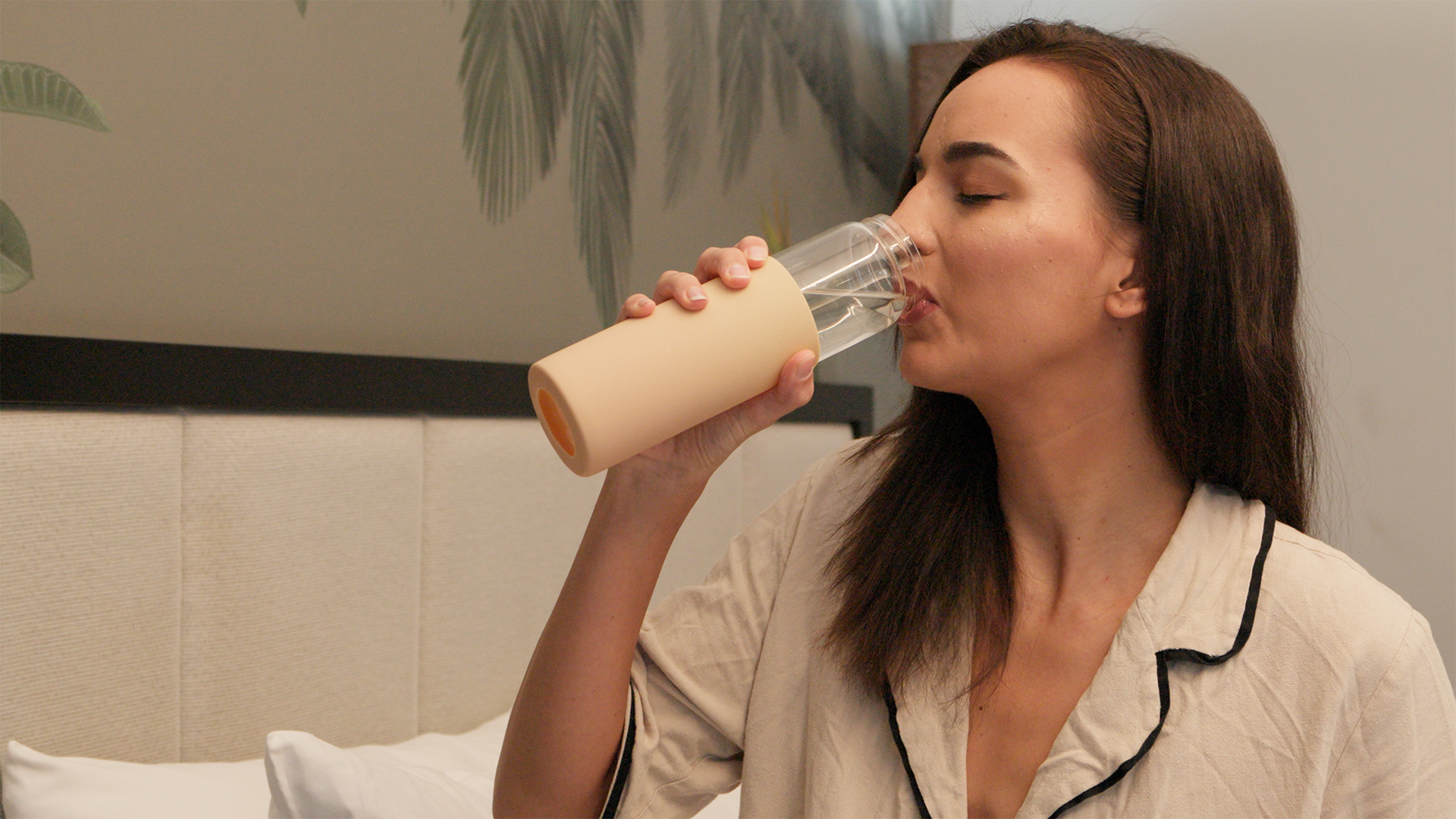
Drink 16oz of water with Ki Electrolytes. This begins restoring the fluid and mineral balance lost overnight. Research confirms this window is when your body is at peak dehydration.

2. 45 minutes later
Drink another 16oz. This consolidates your hydration and prepares your brain for focused work.

3. Reduce morning caffeine
Hold off on coffee until you’re hydrated. Delaying caffeine 60–90 minutes post-waking aligns with your natural cortisol peak and reduces crash risk later in the day.

This ritual supports cognitive clarity, stabilises energy across the day, reduces caffeine dependency, and builds the kind of consistent momentum that compounds over time.

Why Ki Is Different

Most electrolyte products were built for athletes on the move  hence the single-use plastic sachets. Those sachets need bulk to fill, so manufacturers add flavouring, fillers, and sweeteners. And the sachets themselves leach microplastics into your drink before you’ve even opened them.Ki was built for a different moment entirely: the second you wake up, at home. That single decision  when to take it  cascades into everything else. No sachets. No fillers. No microplastics. Just 2 clean ingredients at 1.5g per serving, the lowest on the market.

Start Tomorrow Morning

You don’t need to overhaul your mornings. Just follow four principles:

1.Hydrate within 30 minutes of waking
Before coffee, before screens. Your body is at peak dehydration the moment you open your eyes.

2.Include mineral support
So your body can actually absorb what you drink. Water alone passes through without electrolytes to anchor it.

3.Delay morning caffeine
Until you’re properly hydrated. Evidence supports waiting 60–90 minutes to avoid interfering with your natural cortisol peak and reducing crash risk.

4.Track your consistency
What gets measured gets done. The morning ritual compounds over time.

Hydration isn’t complicated. It’s a ritual. And when you get it right, the benefits of clearer thinking, steady energy, sharper focus compound over time.

Start Sharp Tomorrow Morning

Ki Electrolytes. 2 ingredients. 1.5g per serving. No sachets. No microplastics. Built for the morning moment that sets up everything else.

Dehydration Is Silently Draining You

Why most high performers wake up already behind and the simple morning ritual that changes everything.

Why You Wake Up Tired

Most people don’t wake up tired because they didn’t sleep enough. They wake up tired because they’re dehydrated.After 7–8 hours without water, your body is already running low on fluids. Even a 1–2% drop in hydration can impair focus, memory, and energy  cognitive effects that have been confirmed across 33 separate studies. And what do most people do first? Reach for coffee. Coffee doesn’t fix dehydration, I just mask it.

This hidden deficit holds back entrepreneurs, executives, and high performers every single day. The good news: it’s one of the simplest performance problems to solve and Ki was built specifically to fix it.

Why You Wake Up Tired
Image : Pexels


What Dehydration Actually Feels Like

Dehydration Actually Feels Like
Image : Pexels


Dehydration isn’t just thirst. Research shows it shows up in subtler ways that most people never connect to their fluid intake.

  • Brain fog
  • Headaches
  • Energy
  • Poor focus
  • Afternoon crashes
  • Muscle tightness
  • Irritability
  • Motivation
  • Dry skin
  • Caffeine reliance

Many people live with these symptoms daily never realising that hydration is the root cause.

Why Water Alone Isn’t Enough

Your body doesn’t absorb water efficiently on its own. It needs electrolytes  minerals like sodium, potassium, and magnesium  to actually use the water you drink.

Water-Hydration-Enough?
Image : Pexels

What are electrolytes?

Electrolytes are natural mineral salts your body depends on to regulate nerve signals, support muscle function, maintain fluid balance, and keep your brain communicating clearly. Without them, water passes through your system without being properly absorbed.

Centuries ago, people drank water naturally rich in these minerals from springs and rivers. Today, most tap and bottled water is heavily filtered  stripping those minerals in the process. That’s why many people remain under-hydrated even when they drink plenty of water.

The Morning Hydration Gap

When you wake up, your body has gone 7–8 hours without water. Breathing, sweating, and the lingering diuretic effects of caffeine or alcohol from the night before all compound that fluid loss.Yet most people check their phone, make coffee, and dive straight into work  all before drinking a single glass of water. This sets the stage for foggy thinking and low energy before the day has even begun.Most of us are, in effect, brain athletes we rely on sharp cognition, not just physical performance. And a dehydrated brain simply cannot fire at full capacity, no matter how talented or motivated the person behind it.

The Ki Morning Hydration Ritual

Ki-Electrolytes

Instead of playing catch-up all day, restore your electrolyte balance before the work begins. Ki Electrolytes was built for exactly this moment: 2 ingredients, 1.5g per serving, microplastic-free, designed to be taken the second you wake up.

THE KI MORNING RITUAL

Front-load your hydration

1. Within 30 minutes of waking
Drink 16oz of Ki Electrolytes. This begins restoring the fluid and mineral balance lost overnight. Research confirms this window is when your body is at peak dehydration.

2. 45 minutes later
Drink another 16oz. This consolidates your hydration and prepares your brain for focused work.

3. Reduce morning caffeine
Hold off on coffee until you’re hydrated. Delaying caffeine 60–90 minutes post-waking aligns with your natural cortisol peak and reduces crash risk later in the day.

This ritual supports cognitive clarity, stabilises energy across the day, reduces caffeine dependency, and builds the kind of consistent momentum that compounds over time.

Why Ki Is Different

Most electrolyte products were built for athletes on the move  hence the single-use plastic sachets. Those sachets need bulk to fill, so manufacturers add flavouring, fillers, and sweeteners. And the sachets themselves leach microplastics into your drink before you’ve even opened them.Ki was built for a different moment entirely: the second you wake up, at home. That single decision  when to take it  cascades into everything else. No sachets. No fillers. No microplastics. Just 2 clean ingredients at 1.5g per serving, the lowest on the market.

Start Tomorrow Morning

You don’t need to overhaul your mornings. Just follow four principles:

1.Hydrate within 30 minutes of waking
Before coffee, before screens. Your body is at peak dehydration the moment you open your eyes.

2.Include mineral support
So your body can actually absorb what you drink. Water alone passes through without electrolytes to anchor it.

3.Delay morning caffeine
Until you’re properly hydrated. Evidence supports waiting 60–90 minutes to avoid interfering with your natural cortisol peak and reducing crash risk.

4.Track your consistency
What gets measured gets done. The morning ritual compounds over time.

Hydration isn’t complicated. It’s a ritual. And when you get it right, the benefits of clearer thinking, steady energy, sharper focus compound over time.