What Does Your Urine Color Actually Mean?
Medical notice: This article is for general educational purposes only. Unusual or persistent changes in urine color especially red, brown, orange, or cloudy should be evaluated by a healthcare professional. Do not use this guide in place of medical advice.
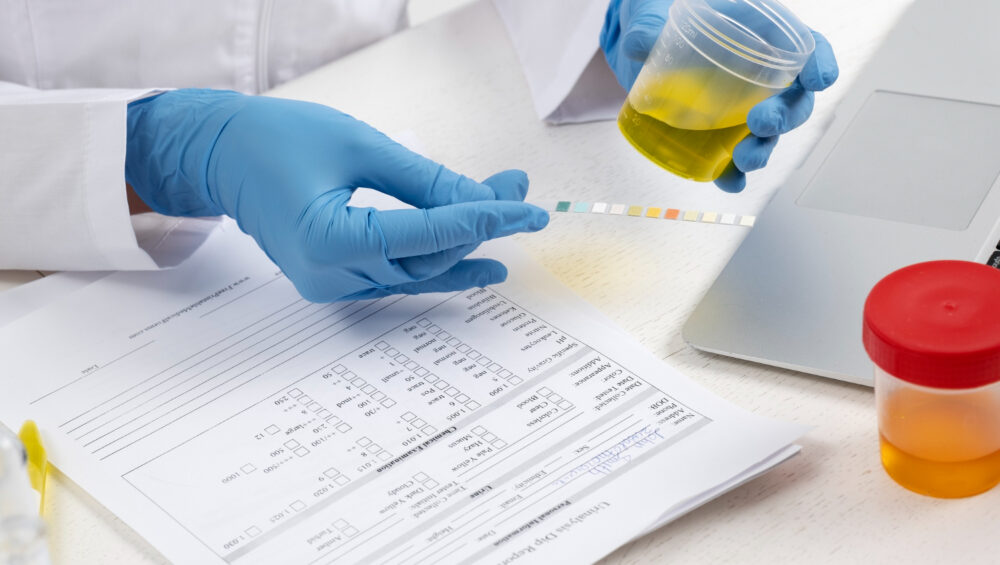
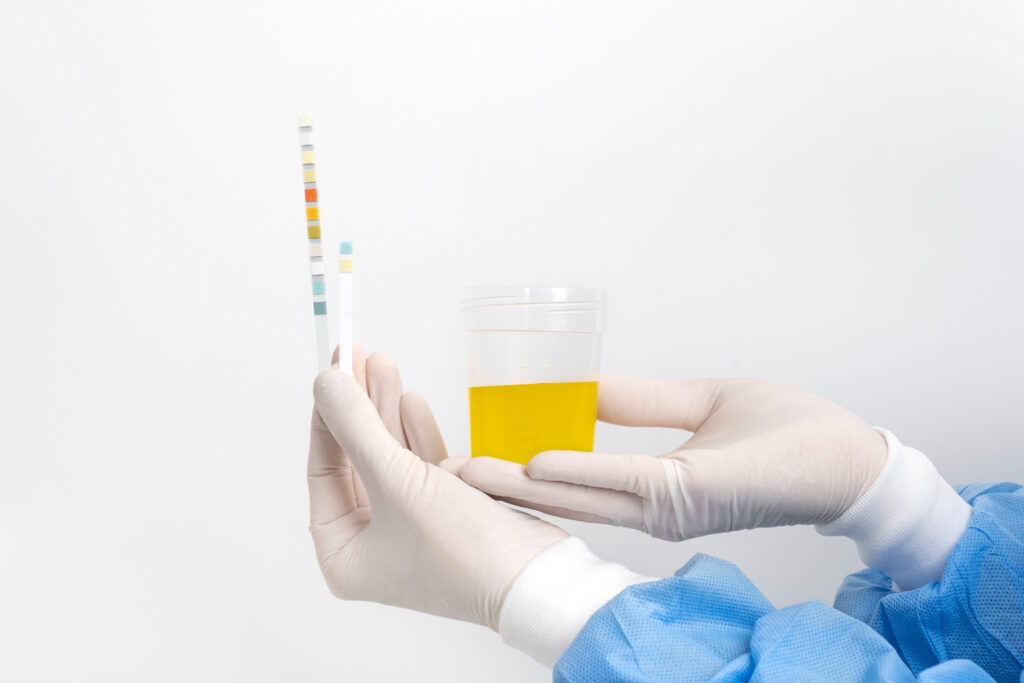
The color of your urine is one of the most accessible health signals your body sends you every single day. Unlike most health metrics, it requires no equipment, no lab, and no special knowledge just a few seconds of attention.
However, the standard guidance most people have grown up with is “drink until your urine is clear” tells only half the story. Clear urine is not actually the goal. In addition, dark urine communicates more than simply “drink more water.” There are shades, nuances, and non-hydration causes that the basic color chart leaves out entirely.
This guide breaks down every shade of what it means, what’s causing it, and precisely what to do about it. More importantly, we’ll also cover something most urine color guides skip: what the color scale cannot tell you, and why that gap matters more than most people realize.
The one-line answer
Pale yellow, about the color of light lemonade, is the target. Clear means you’ve over-diluted. Dark yellow to amber means you need more fluid. And certain foods, vitamins, and medications can change the color entirely, regardless of how hydrated you actually are.
01.Why urine has color in the first place
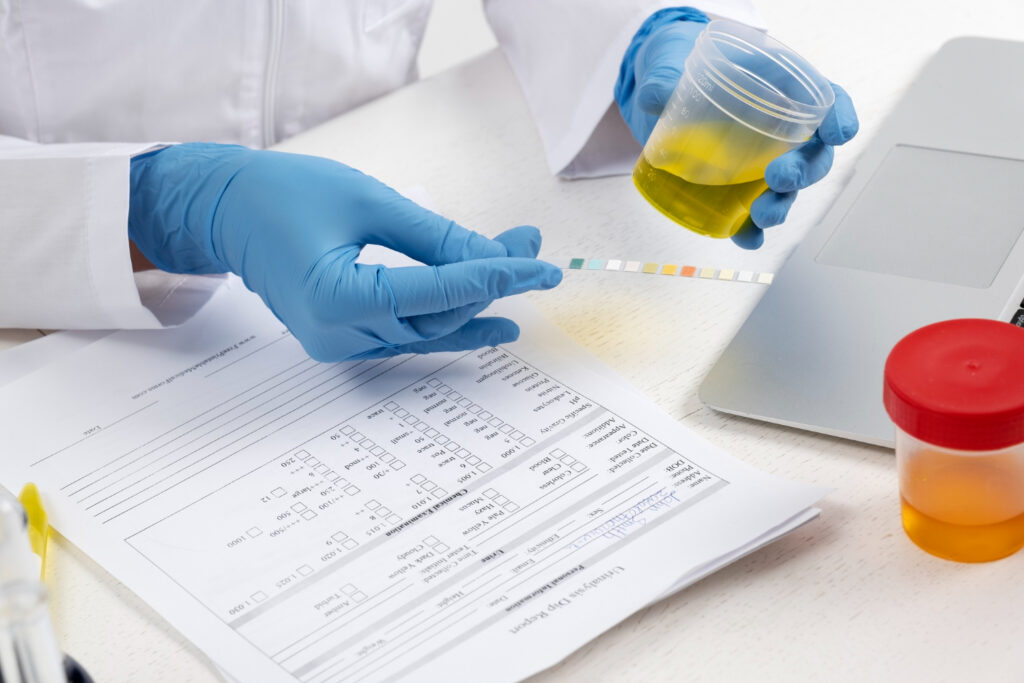
Urine gets its yellow color from a pigment called urochrome (also known as urobilin). Urochrome is produced when the body breaks down hemoglobin, the protein in red blood cells responsible for carrying oxygen. It is a normal byproduct of the body’s natural recycling process.
The amount of urochrome in urine remains relatively consistent. What changes is the amount of water present to dilute it. When you are well hydrated, urochrome becomes more diluted, causing urine to appear lighter in color. When fluid intake is low, urochrome becomes more concentrated, resulting in darker urine.
This simple principle is why urine color can serve as a general indicator of hydration status. In the late 1980s, researcher Lawrence E. Armstrong developed an eight-point urine color scale by arranging urine samples according to shade. The chart has since become a widely used tool for assessing hydration in sports, healthcare, and wellness settings.
However, urine color should be viewed as a guideline rather than a definitive measure of hydration. Many factors can influence urine color, making it important to understand both the usefulness and the limitations of the color scale.
02.What Your Urine Color May Be Telling You
Urine color can provide general clues about hydration levels. Here’s a simple guide to what different colors may indicate, along with some common causes and situations that may warrant closer attention.

Clear / Colorless – You are drinking too much plain water
Clear urine means your kidneys are flushing out a large excess of fluid.Clear urine can indicate overhydration and that drinking too much plain water can dilute essential electrolytes, causing a drop in blood sodium called hyponatremia. Symptoms of hyponatremia headache, nausea, fatigue, confusion look exactly like dehydration, which is why people often make it worse by drinking more water.

Pale Yellow / Light Straw – Well hydrated this is the goal
Medical News Today describes pale or transparent yellow urine as indicating sufficient hydration. Think the color of diluted lemonade or straw. Urochrome is diluted but still present meaning your fluid intake is matching output without over-diluting your electrolytes.

Medium / Bright Yello – Slightly behind -drink water soon
Urochrome concentration is rising. This shade means your fluid intake is falling slightly short.Drinking a glass of water when urine reaches this shade. You’re not dehydrated yet, but the direction is wrong. A glass of water ideally with electrolytes will bring you back to pale yellow within an hour.

Dark Yellow – Mildly dehydrated -act now
Your kidneys are conserving water.Dark yellow indicates the body is retaining water to protect against dehydration meaning you need to drink more fluid to get ahead of it. Common after coffee, alcohol, or a salty meal. Drink two glasses of water with electrolytes and reassess within 30 minutes.

Amber / Orange-Tinged – Significantly dehydrated – rehydrate immediately
Concentrated and dark. Your body may be conserving water, and your hydration status could be compromised. At this stage, replacing both fluids and electrolytes may be more effective than drinking plain water alone, especially after heavy sweating, exercise, heat exposure, or illness.
Consider increasing your fluid intake and replenishing key electrolytes such as sodium, potassium, and magnesium. If your urine remains dark despite adequate hydration, or if you experience symptoms such as dizziness, fatigue, or confusion, consult a healthcare professional.

Brown / Dark Amber – Severe dehydration or possible liver issue – seek care
Dark brown urine can indicate severe dehydration, liver disease, or a condition where muscle tissue breaks down (rhabdomyolysis). This is not a DIY situation. Rehydrate immediately and contact a healthcare professional especially if accompanied by rapid heart rate, confusion, or dark brown that isn’t explained by recent food or medication.
03.Why your morning urine is always darker
If your first bathroom trip of the day almost always produces dark yellow or amber urine, you are not unusually dehydrated. In fact, every human being experiences this every single morning without exception.
While you sleep, your body continues working steadily. Throughout the night, you lose approximately one liter of fluid through breathing and perspiration with nothing coming in to replace it. As a result, your kidneys concentrate your urine to conserve fluid. By the time you wake up, that urine has been sitting, concentrated, in your bladder for hours.
The morning baseline:
Dark morning urine is completely normal; it is simply a sign that your body did exactly what it was supposed to do overnight. What matters most is what you do in the first 30–60 minutes after waking. That window is when restoring the overnight deficit makes the biggest difference to your energy, focus, and brain function for the rest of the day.
For this reason, the first hour after waking is the most important hydration window of the day. Regardless of how much you drank the night before, the morning starts with mild dehydration. Consequently, what you restore in that window determines the cognitive and physical baseline you carry into the morning.
Drinking plain water on waking is a good start. However, as Ki Electrolytes explains in their morning hydration research, water needs electrolytes to reach your cells efficiently. Without sodium to activate the intestinal transport system, a portion of what you drink passes through rather than reaching the tissues that need it most.
04.Foods, vitamins, and medications that change urine color.

This is one reason why you can’t always trust the color alone. A long list of perfectly normal things- foods and supplements you might have had yesterday can change your urine color completely, regardless of how well hydrated you actually are.
So before assuming a color change is hydration-related, run through this list first:
Beets and berries
Can turn urine pink, red, or dark red, sometimes alarming but harmless. The pigment is excreted by your kidneys.
B vitamins,
Especially riboflavin (vitamin B2), can turn urine a bright neon yellow regardless of hydration status. This effect is common after taking multivitamins, B-complex supplements, or fortified energy products.Because the color change is caused by excess riboflavin being excreted in the urine, it can make urine appear more concentrated than it actually is. For this reason, urine color may not be a reliable indicator of hydration if you have recently consumed B-vitamin supplements.
Asparagus
Can add a greenish tint and strong odor to urine within 15–30 minutes of eating. Completely harmless but surprising if you don’t know why it’s happening.
Carrots and high-beta-carotene foods
Can produce a light orange tint. Also seen with high doses of vitamin C supplements.
Fava beans and rhubarb
Can darken urine to a brownish or dark amber shade, completely unrelated to hydration status.
Certain medications and supplements
Some antibiotics (rifampicin), blood thinners, laxatives, and antiparasitic medications significantly change urine color. Always check the medication leaflet before assuming color changes are hydration-related.
The practical rule :
If your urine color has suddenly changed and you recently ate something from the list above or started a new supplement or medication that is almost certainly the cause. Wait 24 hours. If the unusual color persists without a dietary explanation, speak with a healthcare professional.
05.What urine color cannot tell you and why does that matter ?
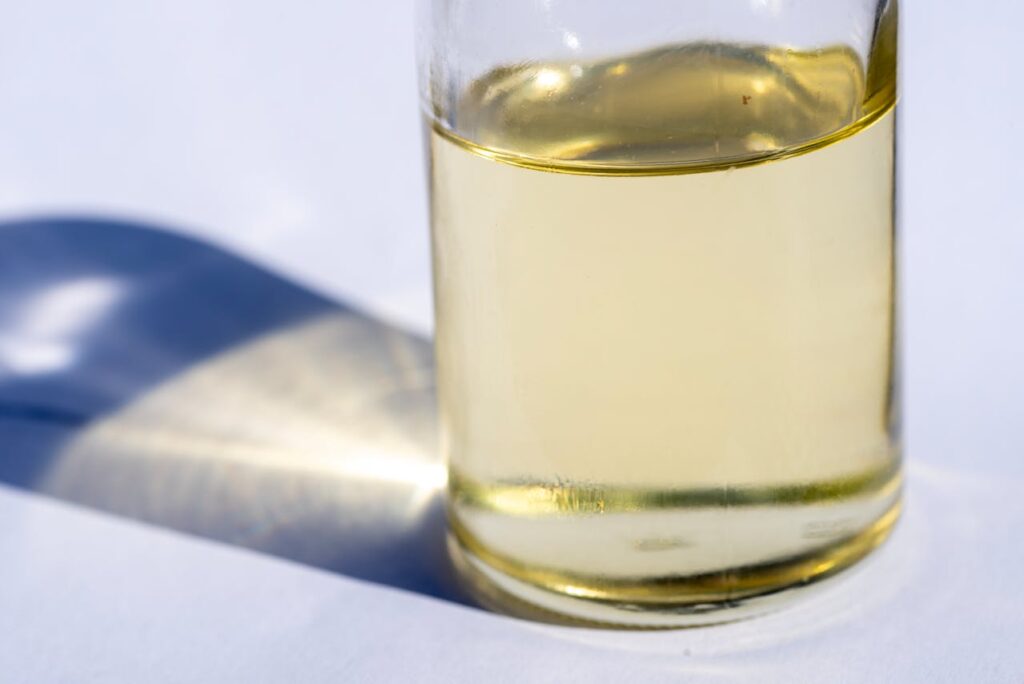
Most urine color guides skip this part entirely yet it is arguably the most important section to understand.
Urine color tells you about your kidney function and fluid concentration. Crucially, though, it does not tell you about cellular hydration meaning whether water is actually inside your cells, where it does most of its real work. According to research, the two don’t always correlate as closely as most people assume.
To put that plainly: a systematic review in PubMed found significant associations between urine color and urine concentration markers. However, that is entirely different from blood-level or cellular hydration which is what actually determines how your brain and body perform. As a result, you can have pale yellow urine and still have cells running low on water, simply because you lack the electrolytes needed to transport that water in.
What it misses
01.Cellular hydration
Cells can be significantly under-hydrated even when urine is pale. Water without electrolytes stays in the gut and bloodstream not inside cells where it’s needed.
02.Electrolyte balance
Clear urine can actually indicate low blood sodium. Moreover, pale urine says nothing about potassium or magnesium levels both of which affect energy, mood, and muscle function.
03.Brain hydration
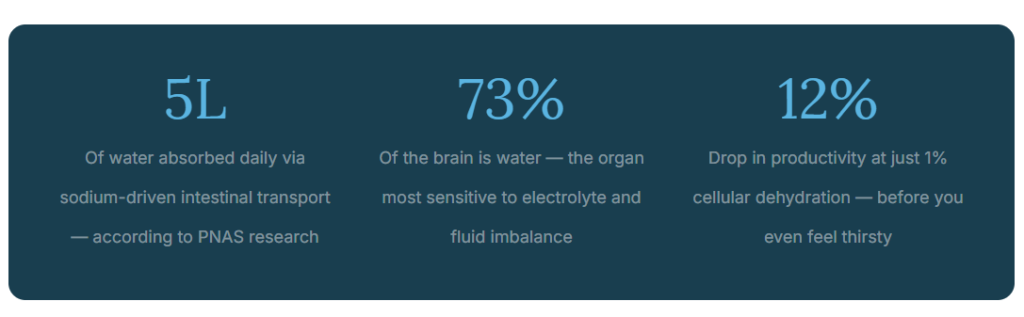
The brain is 73% water and highly sensitive to electrolyte shifts. Consequently, adequate kidney output and measurably impaired cognitive function can exist at the same time.
04.Older adult accuracy
Research confirms the color scale is less reliable in older adults. As people age, both the thirst signal and kidney response change making color an increasingly weaker indicator.
06.Why electrolytes matter as much as water volume
This is the part of the hydration conversation that most people and most urine color charts skip entirely.
True hydration is not simply about how much water you drink. Rather, it is about how much water actually reaches your cells. That process depends on electrolytes, particularly sodium to activate the transport system that moves water from your gut into your bloodstream, and then from your bloodstream into cells.
Without sodium, the SGLT1 cotransporter in your small intestine, the primary mechanism for water absorption is not fully activated. As a result, much of the water you drink passes through your gut and gets excreted. Urine may look pale on the surface, but cells are still waiting for what they need.
This also explains why the “clear urine = fully hydrated” rule so often misleads people. When urine is clear after heavy plain water intake, the kidneys are simply managing excess fluid. However, that process says nothing at all about whether brain cells, muscle cells, or organ tissues are actually hydrated. Electrolytes are the bridge between drinking water and being genuinely hydrated at the level that matters and the color chart has no way of showing that gap.
This is exactly why Ki Electrolytes was built around the morning window the first hour after waking, when the body is most depleted and the gut is most receptive to absorption. Adding sodium, potassium, and magnesium to morning water transforms it from something the body mostly flushes, into something cells can actually use
Ki Hydration Ritual™
Frequently asked questions
1.What does clear urine mean?
Clear urine means you are drinking more plain water than your kidneys can efficiently process so the excess is being flushed out. Contrary to popular belief, this is not the hydration goal most people think it is. Healthline notes that clear urine can signal overhydration, and drinking too much plain water without electrolytes can dilute blood sodium, a condition that causes headaches, fatigue, and nausea. The target is pale yellow, not colorless.
2.What is the healthiest urine color?
Pale yellow, often described as the color of diluted lemonade or light straw is generally considered the optimal hydration zone. It suggests that fluid intake is keeping pace with the body’s needs without excessively diluting essential electrolytes.
By contrast, completely clear urine may indicate that you are drinking more water than necessary, while darker yellow urine can be a sign that your body needs more fluids. Pale yellow represents a balanced middle ground, making it a useful visual indicator of healthy hydration.
3.Why is my morning urine always dark?
Morning urine is darker because your body has gone without fluids for 7–8 hours overnight while continuing to lose water through breathing and perspiration. As a result, your kidneys concentrate urine during sleep to conserve fluid. The first void of the day therefore reflects the overnight fast not a chronic hydration problem. Hydrating with electrolytes in the first 30–60 minutes after waking addresses this directly and resets your baseline for the day.
4.Can you be dehydrated even with pale urine?
Yes and this surprises many people. Urine color shows how concentrated your urine is, but it does not directly measure cellular hydration. In other words, it reflects what your kidneys are doing with water, not necessarily whether that water has reached your cells.
This means that pale urine and suboptimal cellular hydration can exist at the same time. If electrolyte levels are low, the body may struggle to maintain proper fluid balance even when water intake is adequate. That’s why hydration is about more than just drinking water and also depends on the minerals that help regulate how fluid moves throughout the body.
Urine color remains a useful hydration indicator, but it should be viewed as one part of the larger hydration picture rather than a complete measure of hydration status.
5.Why did my urine turn bright yellow after taking vitamins?
Riboflavin (vitamin B2), found in many multivitamins, is water-soluble and excreted through urine when consumed in excess. This can turn urine a bright neon yellow regardless of hydration status. The effect is harmless and is one of the most common causes of misleading urine color readings.
See a healthcare professional if you notice red, pink, brown, or orange urine that cannot be explained by food, supplements, or medication, or if urine changes are accompanied by pain, fever, unusual odor, or lower back discomfort.